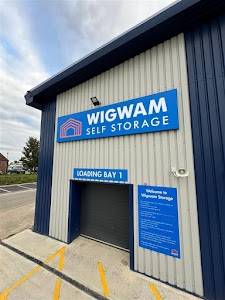
What if you’re simply not ready to sort a loved one’s things yet?
Sometimes the kindest thing you can do is put it somewhere safe and give yourself time. Not every decision has to be made now, and the wardrobe in the spare room, the boxes of letters you haven’t opened, the good china you don’t know what to do with yet, they don’t have to be sorted this week. Or next month. Or this year.
There is no deadline on grief. And there is no shame in needing a room that isn’t your own home to hold things while you work out what comes next.
That is what this is about. Not clearing. Not deciding. Just holding things properly until you are ready.
If you’ve arrived mid-estate and need to move quickly:
- Find your nearest location at Wigwam Self Storage locations
- See unit sizes and pricing at wigwamstorage.co.uk/how-much-is-self-storage-in-the-uk
- Get a quote in your own time at quote.wigwamstorage.co.uk
There is no deadline on this
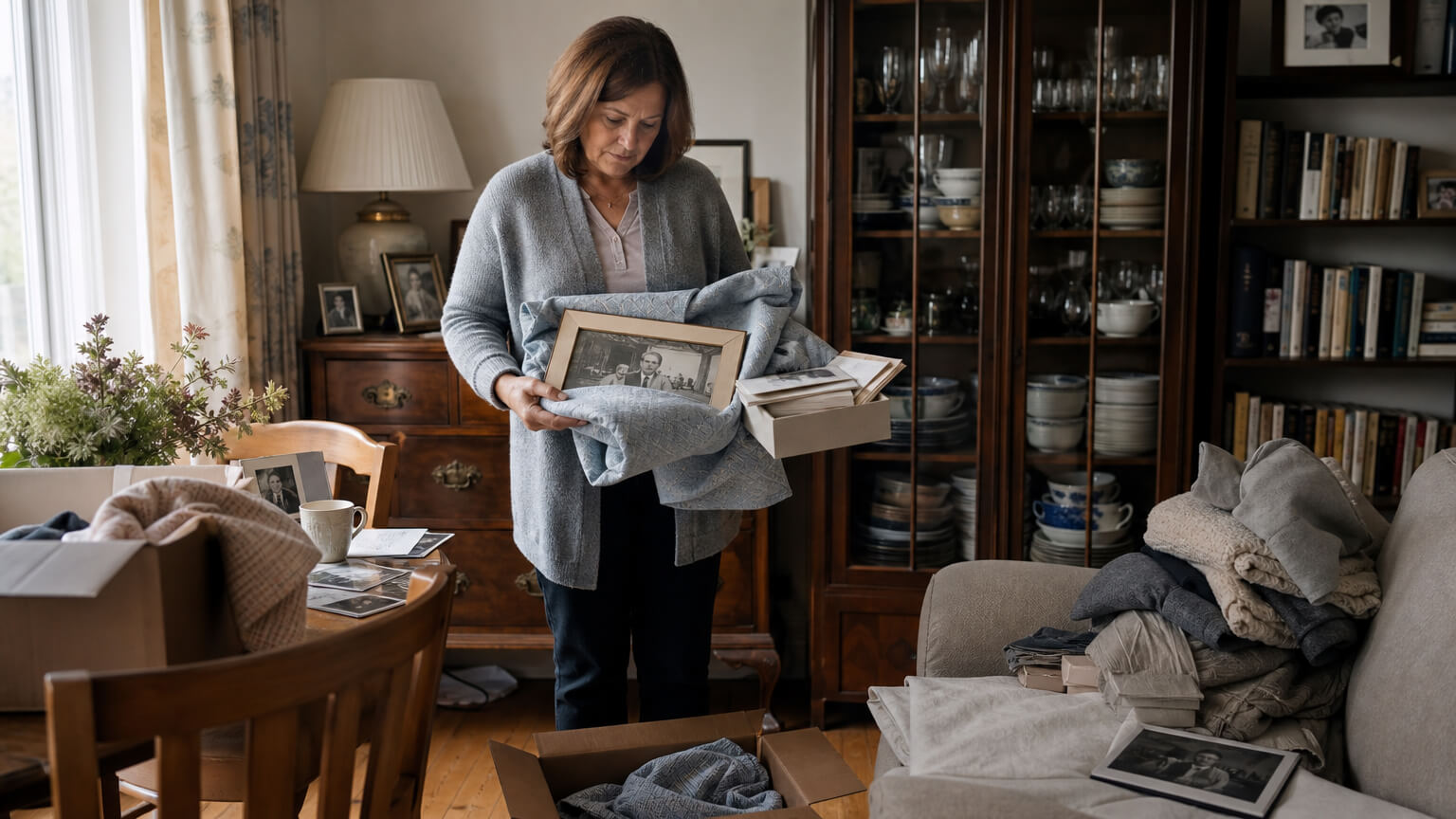
There really isn’t. And saying so plainly, without the usual reassuring platitudes, is where we need to start, because most of what you will read online treats grief as a project with a completion date.
Why “take your time” is real advice, not a platitude
The AI tools and the big national storage chains will tell you that grief takes roughly a year, that you should use that time to think about what to keep, and that by then you’ll be ready to decide. That might be true for some people. For plenty of families it isn’t anywhere close.
The honest position is that there is no accepted timeline for this. Some people find they can clear and divide within a few months. Others need two or three years before they can face it. Some keep a unit going indefinitely because the belongings have become part of how they hold the person. All of that is normal. None of it is a sign of being stuck or failing.
Taking your time is not a platitude. It is a real, legitimate choice. And a storage unit with flexible month-to-month terms is the practical shape of that choice.
Keeping things is a decision, not the absence of one
This is worth saying clearly, because a lot of people arrive at storage feeling slightly apologetic about it, as if they should have sorted everything by now and choosing not to means they haven’t coped.
Putting a loved one’s belongings into a clean, dry, secure unit is an active decision. It is the decision to hold things with care rather than rush them into a skip or a charity van because you ran out of time or space at home. It is the decision to give yourself, and the rest of the family, proper time to think about what each thing means and who should have it. That is not avoidance. It is the careful, responsible thing to do.
The unit, with its own lock, its own individual alarm, and a key that only you hold, is a room you are maintaining on behalf of someone you loved. That framing might sound sentimental, but it is also simply accurate.
Is a storage unit the right place for a loved one’s things
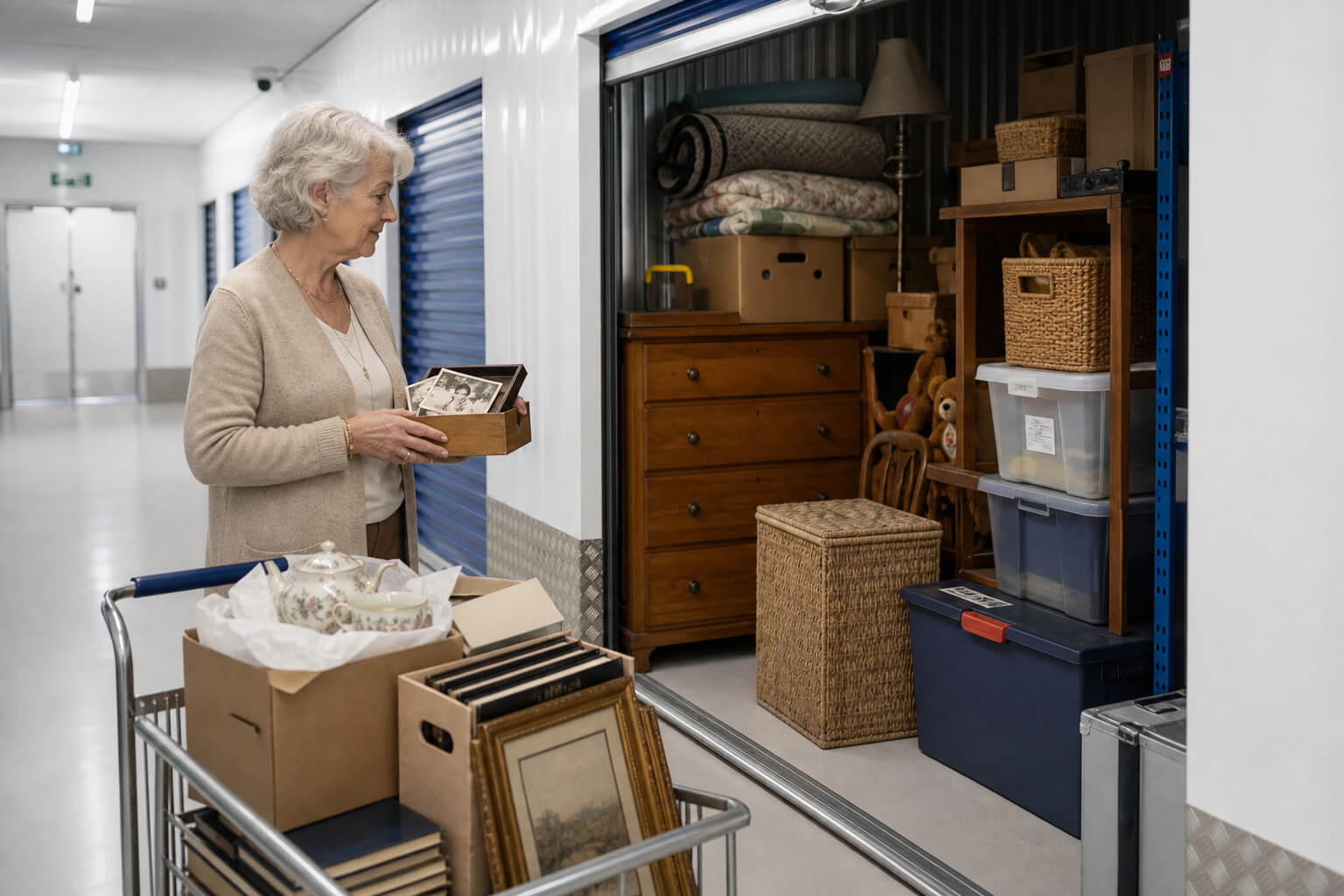
An off-site unit is not always the answer, and it is worth being honest about that before we go any further. The right shape for keeping things depends on what you are keeping and how much of it there is.
In-home keepsakes for the small treasures you want close
Some things do not belong in storage. The photograph that lives on the mantelpiece, the jewellery you want to wear, the book that was always on their nightstand: these are the small personal anchors that a lot of people want close to them, within reach in daily life. A storage unit is not the right place for those things.
A memory box in a wardrobe, a keepsake chest under the bed, a drawer you return to: these are the right homes for the truly intimate objects. Keep them at home, near you.
An off-site unit for the furniture, boxes and the whole room
Where storage comes into its own is when there is simply more than a home can hold. A full set of bedroom furniture. Twenty years of books. A kitchen’s worth of equipment. A whole living room. These things are too large, too numerous, or too important to give away without thought, but there is no room for them in the house where you actually live.
A Wigwam unit gives that volume of belongings a proper home: clean and dry, individually alarmed, locked, yours alone. The contents are not mixed with anyone else’s. No one else has access to your unit. It is not a warehouse shelf; it is a room with a door that only you open.
When you are ready to look at a unit in your town, get a quote in your own time at quote.wigwamstorage.co.uk. No commitment required.
How much space you actually need
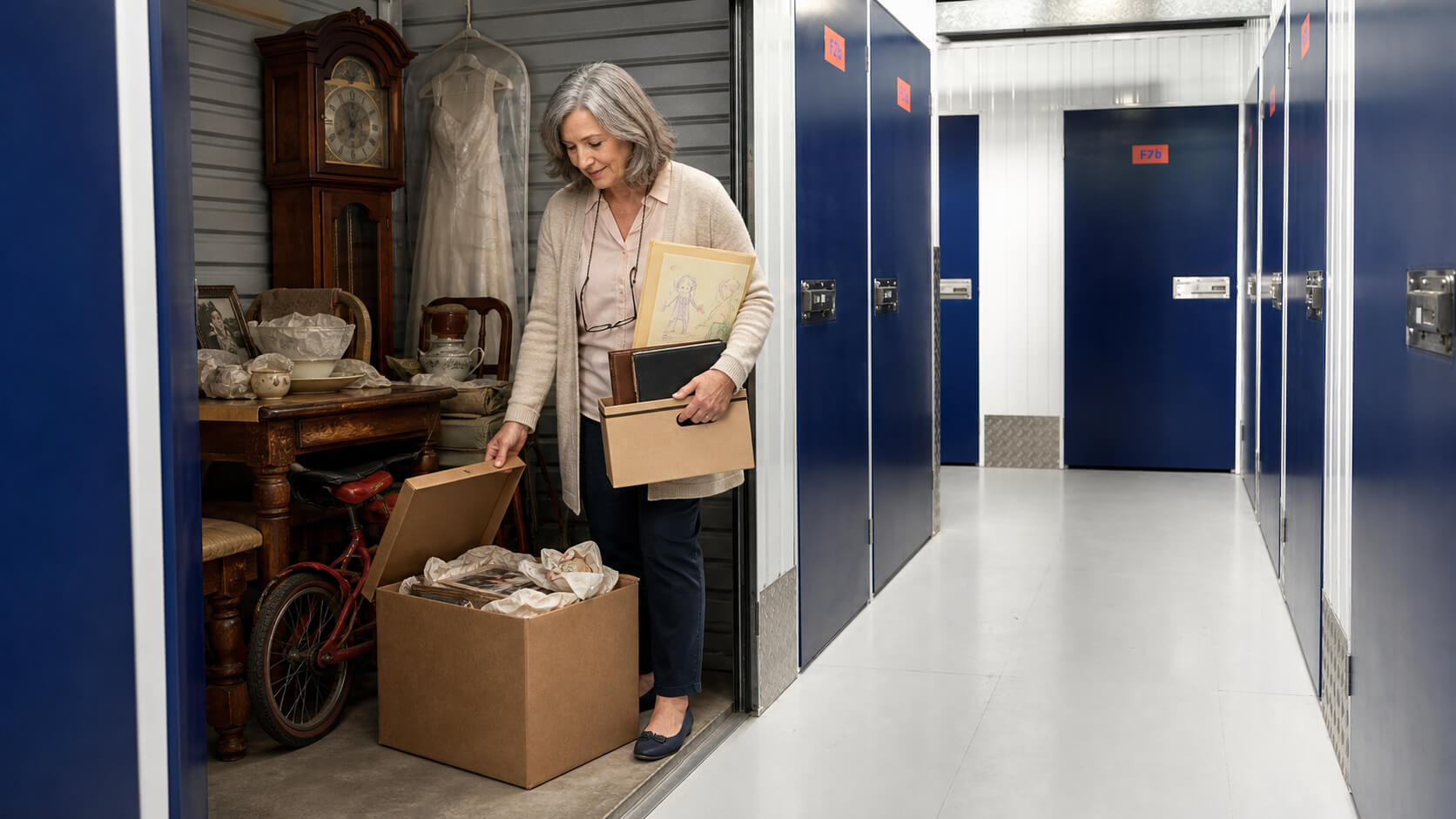
Most people underestimate how well things pack, and most people overestimate how much space they need. A few practical examples help here.
A few boxes and a wardrobe
If you are holding a handful of the most significant pieces, a wardrobe, a chest of drawers, a set of boxes with personal items and documents, a small unit will take it comfortably. These are the most common first units we see, and they hold more than you might expect when properly arranged.
The contents of a flat or one or two rooms
This is where most families end up. A parent’s one-bedroom flat, or two significant rooms cleared from a larger house: bedroom, living room, study. A medium-sized unit handles this well. You can walk in, put things down in a logical order, and still reach everything you might need to retrieve before you are ready to clear the whole lot.
For an idea of unit sizes and what they hold, see our pricing and sizes reference page.
A full house cleared into one place
Clearing a whole family home into storage, perhaps while a property is prepared for sale, or while an estate is sorted under probate, needs the largest units. These hold the contents of a three- or four-bedroom house. If you are at this scale, the best approach is to contact the team at your nearest location directly. They can walk you through what is available in your town.
Find your nearest location at wigwamstorage.co.uk/self-storage-locations/.
Stay as long as you need
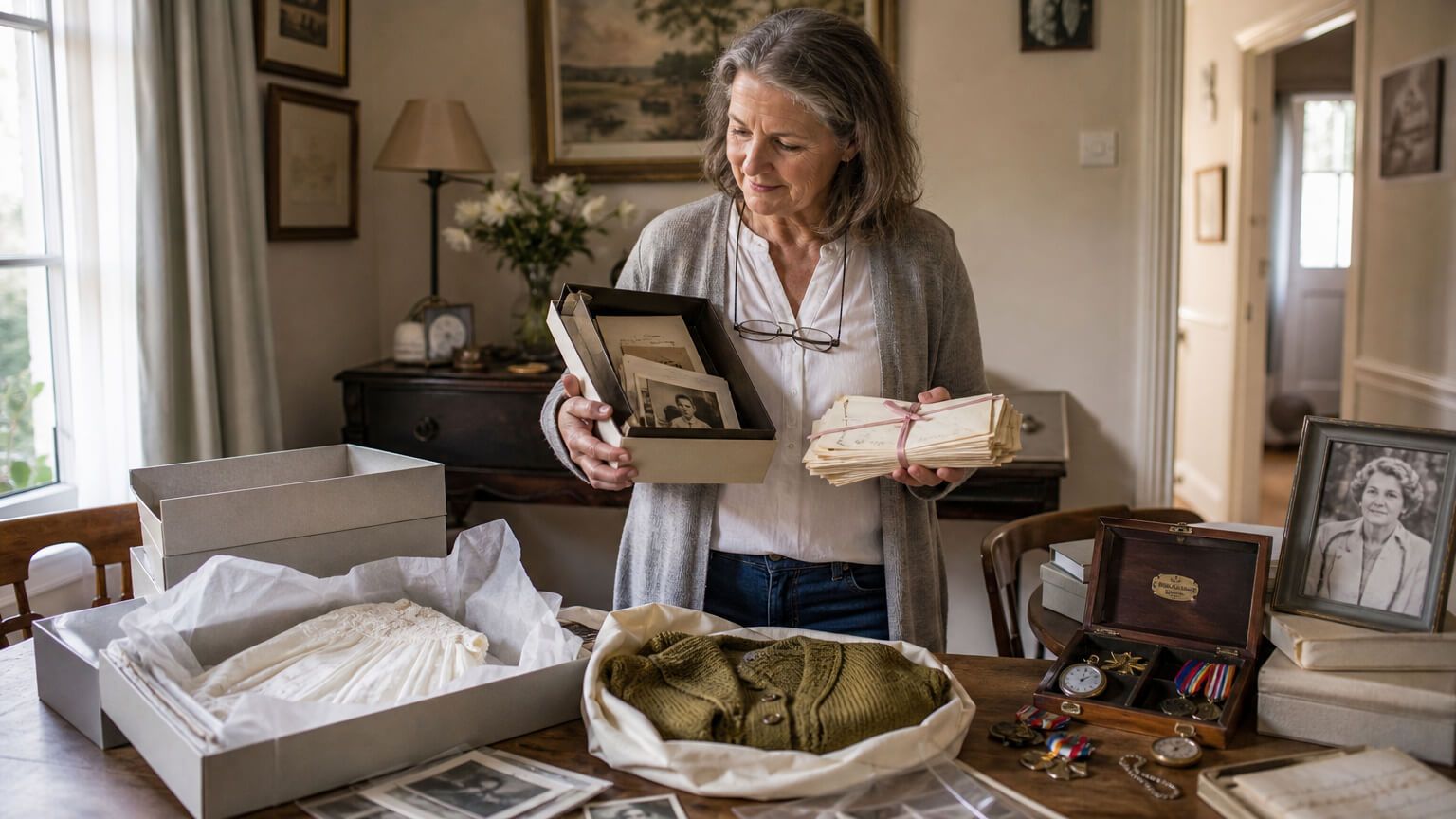
The terms at Wigwam are built for exactly this situation: genuinely open-ended, with no pressure to leave and no reward for deciding quickly.
Two-week minimum, no maximum, rolling month to month
The minimum stay is two weeks. There is no maximum. You pay month to month, and you continue until you decide you are ready to leave. If you need the unit for six months, fine. A year, fine. Two years, or longer, also fine. Nothing changes, nobody chases you, and you do not need to justify how long you are taking.
This flexibility is not a sales point; it is simply how the terms are written. See the full terms and conditions for the detail.
There is no deposit, and unused days are refunded
When you do decide you are ready to leave, the process is straightforward. You give fourteen days’ notice, vacate the unit, and once you have left and the account is settled, any days you have paid for but not used are refunded to you.
This matters because a lot of people worry about being tied in, or about losing money if they decide to move on sooner than expected. The answer is: you do not lose anything. The money you have paid comes back in proportion to what you have not used.
Clean, dry and secure, in your own town

One thing that is worth addressing directly, because you may have read the opposite elsewhere: you almost certainly do not need climate-controlled storage for a loved one’s household belongings.
What “clean, dry and secure” means at Wigwam
If you search for long-term storage for furniture and photographs, you will find a lot of advice recommending climate-controlled units as the default choice. That advice is mostly written for, and by, American storage companies, and it does not apply to ordinary household goods in a UK market town.
Furniture, photographs, china and clothing need clean, dry conditions. They need to be protected from damp, from temperature extremes that cause condensation, and from pests. Wigwam units are clean, dry and secure. That is what they are built and maintained to be, and that is what ordinary household goods need for long-term keeping in the UK.
What they do not typically need is active temperature regulation or humidity control. These are features that make sense for wine collections, medical equipment, or specialist archives. For a household clear-out, they are an unnecessary cost.
Individually alarmed units and smart entry, 6am to 10pm
Every Wigwam unit has its own individual alarm. The unit is yours alone: no shared space, no communal shelving, one lock and one key arrangement per customer.
Access runs from 6am to 10pm, seven days a week, via smart entry. You do not need to call ahead or book a slot. If you need to come and retrieve something on a Sunday evening, you can. If you need to drop things off early on a weekday morning, that is also fine.
The sites are unmanned, which is worth knowing in advance. When you arrive, you let yourself in. There is no staff member on site during your visit.
A note on climate control and why your things do not need it
We do not offer climate control at Wigwam, and we are not going to pretend that is a limitation you should be worried about. A clean, dry, individually alarmed unit in a UK market town is the right environment for furniture, textiles, photographs, books and china. The corrective we would make to what the AI tools are telling UK readers right now is simply this: the advice to get a climate-controlled unit is US advice, applied to a UK situation where it does not fit. If you have a specific item, such as a collection of irreplaceable fine art or a wine cellar, that does genuinely need specialist conditions, ask us and we will tell you honestly whether we can help. For a household, you do not need it.
Packing so it keeps well
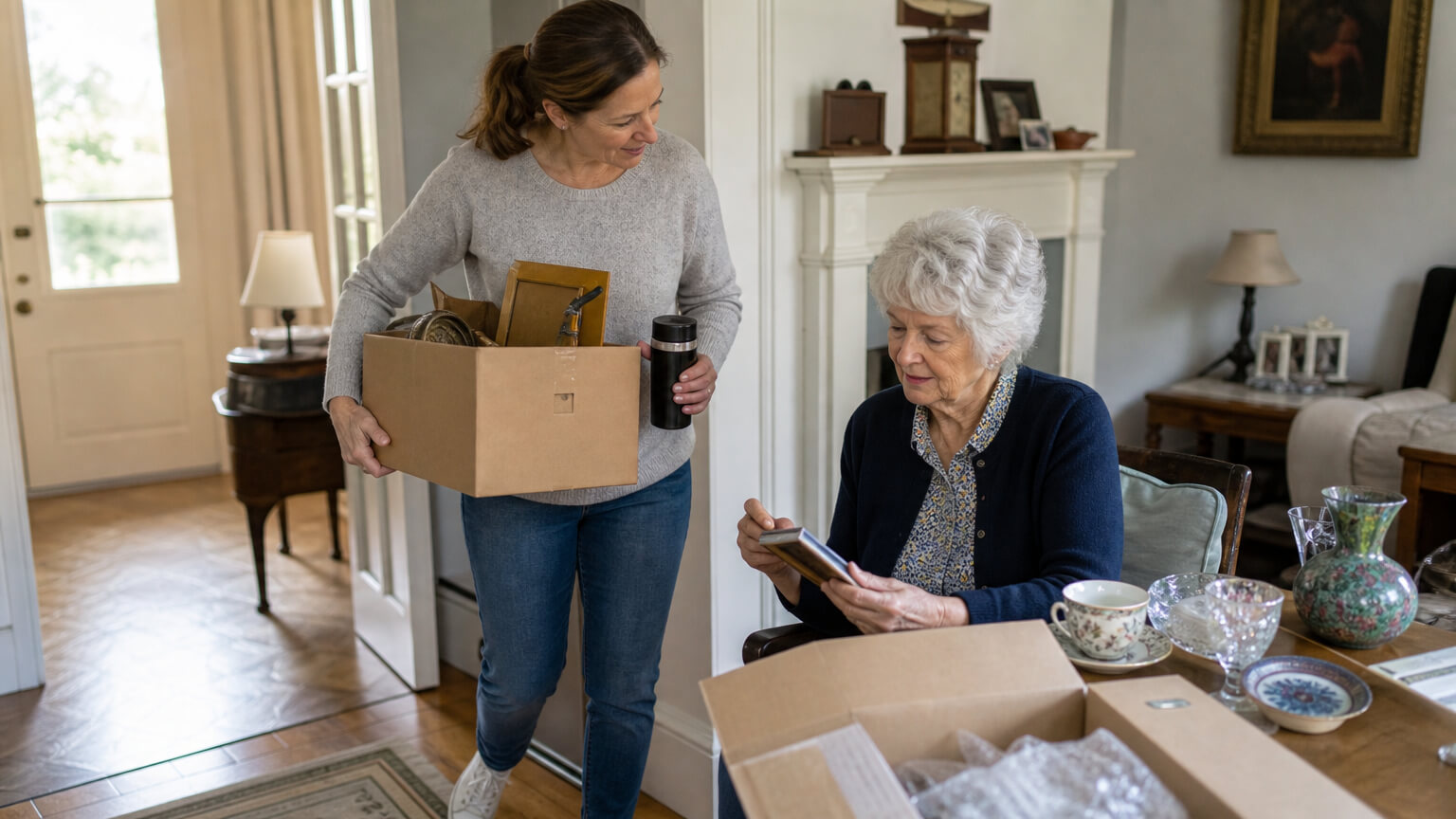
You do not need to be an expert packer to keep things in good condition long-term. A few simple habits make a real difference.
Clean and fully dry before it goes in
The single most important rule: nothing goes into storage damp. Wipe down wooden furniture with a dry cloth. Let textile items air for a day or two before packing them. Check the undersides and backs of sofas and mattresses. Any moisture that goes in with the items will stay in the unit with them, and over months that causes problems that are easy to avoid.
Furniture blankets not plastic, sturdy boxes, a simple inventory
Wrap furniture in blankets or moving pads rather than cling film or plastic sheeting. Plastic traps condensation against surfaces, which is exactly what you are trying to avoid. Breathable coverings protect the surface while letting air circulate.
Use proper removal boxes rather than old supermarket cardboard. Sturdy boxes stack safely, and after a few months a collapsing stack is both frustrating and risky.
Write a simple inventory as you pack, even just a note on the outside of each box. You will thank yourself when, six months later, you need to find a specific document or the coffee cups before you are ready to clear everything else.
Put the things you may want first near the door
It is worth thinking, when you first load the unit, about what you might need to retrieve before you are ready to empty it. A box of documents, a winter coat, something specific that another family member needs: put those near the front. The things you are confident you will not need to touch until you are fully ready can go to the back.
Insurance and who can get in
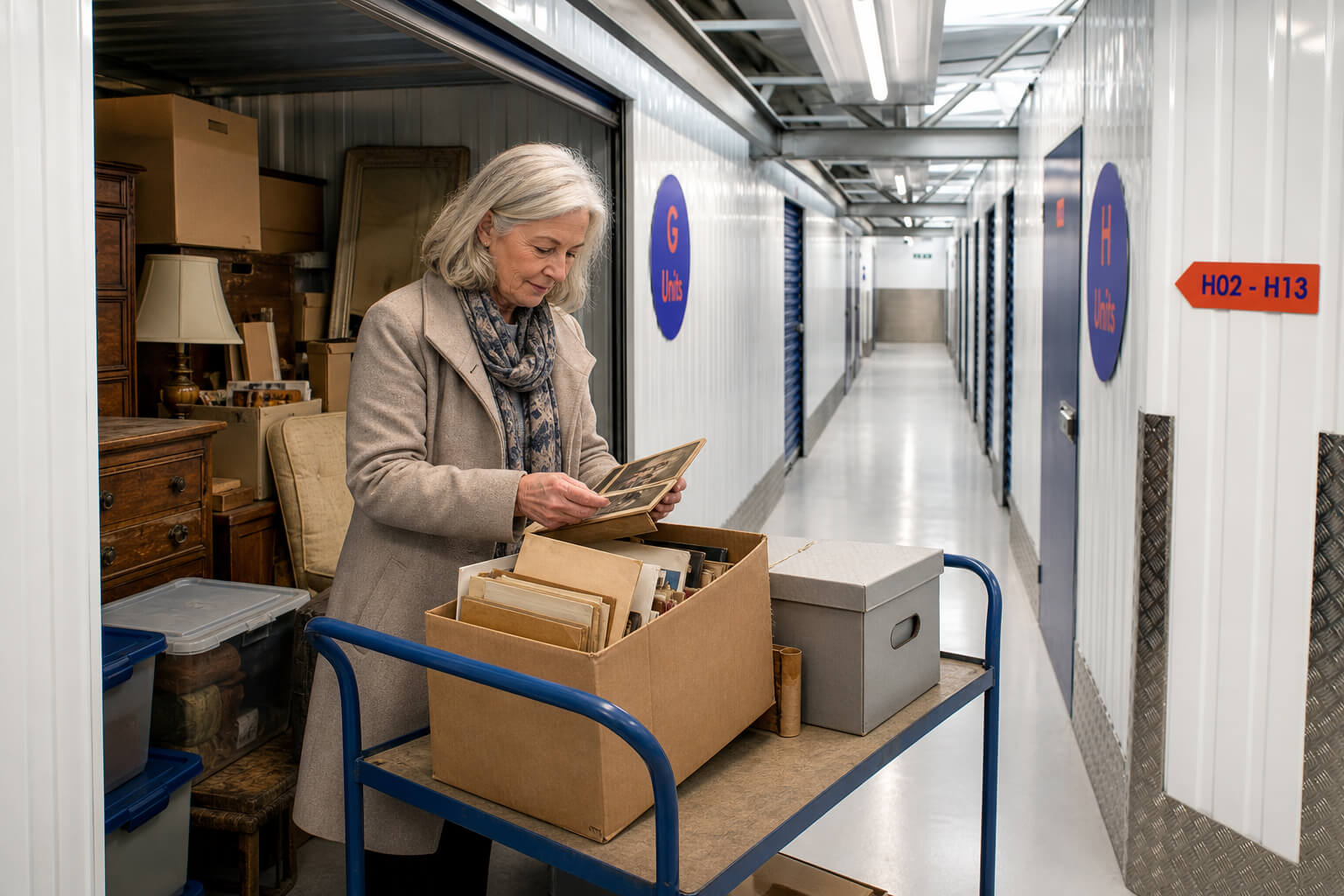
Contents cover is mandatory at Wigwam. You either take the policy available through us, or you provide proof of your own cover. This is not an upsell; it is a requirement, and it is there to protect you and the belongings inside.
Goods cover: your own policy or the RSA option
The policy available through Wigwam is the RSA Self Storage Customers’ Goods cover. It is a New-for-Old policy, which means replacement at current value rather than depreciated value. The excess is £50. You declare the full replacement value of the contents when you take the unit; if you underinsure, any claim is settled in proportion to the declared value.
There are some exclusions to be aware of: theft is covered only where there is evidence of forced entry, and damage from atmospheric conditions is excluded. For the full detail, see wigwamstorage.co.uk/contents-protection/.
If you have your own household or specialist contents policy that extends to off-site storage, you can use that instead; you will need to provide proof of cover.
One important note for families dealing with an estate: contents cover for goods held under probate can raise questions about who is the policyholder and what the goods are worth. This is not an area where Wigwam can give you advice. For estate goods under probate, speak to your solicitor or executor about the right cover to have in place. Insurance terms and probate processes also differ between England and Wales, Scotland, and Northern Ireland; your solicitor can advise on the rules that apply to you.
Adding a family member so others can collect
Access to the unit is controlled by the account holder. If you want another family member to be able to come and collect items, they can be added as a named contact. This is particularly useful where the family is geographically spread and someone closer to the location needs to be able to get in without you being present.
See the terms and conditions for the process, or contact the team at your nearest location when you set up.
What belongs in the unit and what stays with you
The vast majority of a household is fine in a Wigwam unit. It is worth setting out both the full list and the honest exceptions, so there are no surprises.
Documents, furniture, china, clothing, photographs
Furniture of all kinds: beds, wardrobes, sofas, dining tables and chairs, bookcases. Clothing and textiles, including delicate items, provided they go in clean and dry. China, glassware and kitchen equipment, properly wrapped. Photographs, framed and unframed. Books. Documents, ideally in archive boxes or folders. Electronic items in their original packaging if possible, or in sturdy boxes with padding. All of this is what our units are designed for.
If you are holding an entire household from a parent’s home, a partner’s flat, or a grandparent’s place, the chances are that almost everything in it belongs comfortably in storage.
What we cannot store, and a note on deliveries
We do not store vehicles, caravans, motorhomes, or boats. If the estate includes a car or leisure vehicle, that will need to go elsewhere.
A note that often catches people out when they are coordinating a bigger clearance: Wigwam’s sites are unmanned. If a removals firm is bringing the contents of a property to the unit, someone from your side needs to be present. Wigwam does not sign for deliveries, and there is no site staff to receive a handover. Plan for a family member or a trusted person to be there with the removal team.
When you are ready, we make leaving easy
When that time does come, it is simple. Give fourteen days’ notice, clear the unit, and once you have left and the account is settled, any days you have paid but not used are refunded to you. No penalties, no deductions beyond anything owed on the account.
Some families find they are ready sooner than they expected. Some stay for several years. Both are fine. What matters is that when you decide, the process is clean and there is nothing to resent about how the terms were written.
When you are ready, even if that is not yet, a quote takes a few minutes and commits you to nothing. Find a unit in your town at quote.wigwamstorage.co.uk.
See all our UK market-town locations at wigwamstorage.co.uk/self-storage-locations/, or see unit sizes and how pricing works at wigwamstorage.co.uk/how-much-is-self-storage-in-the-uk.
Frequently Asked Questions
Yes, you can take out a unit while an estate is still being settled, and many families do exactly that. Probate can take months, sometimes longer, and the belongings often need somewhere safe to wait in the meantime, especially if the property is being prepared for sale. A clean, dry, individually alarmed unit is a sensible holding place during that period.
The practical point to get right is who holds the account. The unit is taken out in the name of the account holder, and that person is responsible for the rental and for contents cover. Where an estate is involved, the natural account holder is usually the executor or administrator, or a family member acting with their agreement. Decide that clearly at the start so there is no confusion later about who can access the unit and who is settling the bill.
What we can help with is the storage itself: sizing, availability, access, and setting up authorised contacts so the right people can get in. What we cannot do is advise on the probate process, on who has authority to deal with the goods, or on how the estate should treat them. Those are questions for your solicitor or the executor. Insurance and probate rules also differ between England and Wales, Scotland and Northern Ireland, so confirm the position with a qualified adviser. We keep the goods safe. The legal framework around the estate sits with the people qualified to advise on it.
Declare the cost to replace the contents new, and treat the sentimental value as separate, because contents cover is built around replacement cost, not emotional worth. This is one of the harder parts of storing a loved one’s things, and it is worth understanding plainly. The RSA Self Storage Customers’ Goods policy is New-for-Old, which means it is designed to pay what it would cost to buy the items again at today’s prices. It is not designed to put a figure on what a thing means to you.
So when you declare a value, go through the unit and estimate what it would cost to replace the furniture, the china, the books, the practical contents, as if buying them new. Declare the full figure. If you under-declare, any claim is settled in proportion to what you declared, so guessing low to save money can cost you if something goes wrong.
The honest part is this: the irreplaceable items, the photographs, the letters, the things that carry the person, cannot truly be insured for what they are worth to you, because no policy can replace them. That is one reason this article suggests keeping the smallest, most intimate treasures at home with you rather than in storage. For everything else, declare the replacement cost accurately and read the policy in full at wigwamstorage.co.uk/contents-protection/. For anything to do with valuing estate goods formally, that is a conversation for your solicitor, not for us.
Hold the things until the family has had time to reach agreement, because that is precisely what a flexible, open-ended unit is for. Disagreement about a loved one’s belongings is common and rarely a sign that anyone is being difficult. People grieve at different speeds and attach to different objects. The value of a unit with no maximum stay and a simple two-week minimum is that it buys time without forcing a decision before everyone is ready.
A unit takes the pressure out of the room. Instead of someone feeling rushed into a skip or a charity van by a deadline, the things sit safely while the conversations happen at their own pace. There is no reward for deciding quickly and no penalty for taking longer, so the storage cost is not adding urgency to an already tender situation.
On the practical side, the account holder controls who can access the unit, and additional family members can be added as named contacts so no one feels locked out. That said, the unit cannot resolve a genuine dispute about ownership, and we cannot mediate between family members or hold things on behalf of one against another. The account holder is responsible for the unit. If there is a real legal question about who is entitled to what, that belongs with a solicitor or the executor. What we provide is the calm, neutral holding space while the family works it through.
Choose the location that is easiest for whoever will actually visit the unit, which is usually you, not the town the belongings came from. It can feel natural to keep things near where your loved one lived, but a unit is only practical if someone can get to it without it becoming an expedition. If you are the one most likely to visit, sorting a box here and there over the coming months, store close to you.
There are sensible exceptions. If the family is spread out and a particular relative will be doing most of the visiting or the eventual clearing, pick the site nearest to them. If the property being cleared is far from everyone, choosing a site near the family member who will manage things day to day usually beats choosing one near an empty house nobody returns to.
Because access is by smart entry from 6am to 10pm, seven days a week, and the sites are unmanned, you let yourself in whenever suits you, which makes a nearby site genuinely useful for the slow, gradual sorting this situation often involves. We have 15 market-town locations across the UK, so there is a reasonable chance of one within easy reach of you. You can see the full list at wigwamstorage.co.uk/self-storage-locations/ and pick the one that fits the person who will actually be making the trips.
No, it is neither disrespectful nor unusual, and you are in good company. Keeping a loved one’s belongings in a safe, cared-for place for as long as you need is a recognised and entirely normal part of how many people grieve. Some families clear within months. Others keep a unit going for years because the belongings have become part of how they hold the person. Both are legitimate. There is no correct timeline.
The framing that helps is the one this article opens with: a unit is not a place you have dumped things you could not face. It is a room you are maintaining on behalf of someone you loved, clean and dry, individually alarmed, with access controlled by you alone. That is an act of care, not avoidance.
The terms are written to support exactly this. There is no maximum stay, you pay month to month, and nobody chases you or asks you to justify how long you are taking. When you are eventually ready to leave, you give 14 days notice, vacate, and any unused days come back to you. If the time never quite comes, that is fine too. The one gentle, practical suggestion is to review the arrangement once a year, so it stays a considered choice rather than a forgotten direct debit. Beyond that, take exactly as long as you need. Nobody is counting.