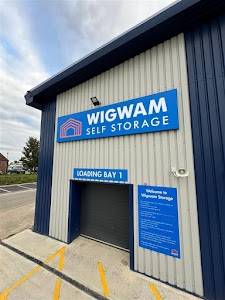
The ground floor has to be cleared before the walls can dry — but to where?
The loss adjuster has been. The schedule of works is sitting on the kitchen table. The builders are coming Thursday, and the instruction is clear: the ground floor has to be cleared before they can start drying the walls. Standing in the hallway looking at a room’s worth of furniture, the paperwork question matters far less than the physical one. Where does it all go?
That is the question this guide answers. Not the theory of home insurance, not the small print in general terms. Just a calm, plain walkthrough of what typically happens when a property has to be emptied for repair, what your insurer may cover, what the real limits are, and how a local self storage unit fits into the picture without adding another complication to an already complicated week.
If you are mid-claim and need to act now
- Speak to your loss adjuster or insurer before you book storage. Get written approval and confirm what your policy covers.
- Check your time cap. Many policies limit off-site storage cover to 30 to 60 days. Ask explicitly.
- Check your value cap. Stored contents cover is often limited to around 10 percent of your total contents sum insured.
- When you are ready to book, start a quote at quote.wigwamstorage.co.uk.
When the house has to come out for repairs

The practical reality comes first: after a covered loss, the goods often have to leave the property before the builders can start. Understanding the typical order helps you stay one step ahead of the schedule.
The order of events after a covered loss
After a flood, fire, storm or escape of water, the insurer typically appoints a loss adjuster to assess the damage and issue a schedule of works. That schedule will usually define which areas of the property need to be cleared, and for how long. Drying out walls after water ingress can take weeks. Structural work may follow. The builders cannot safely work around furniture, and some remediation processes actively require the space to be clear. The loss adjuster or insurer’s project manager will advise on timing, but it is worth asking them explicitly: how long do you estimate the property will need to be vacated, and does the storage cost fall within the claim?
What goods typically need to move, and what can stay
A partial decant, one flooded room cleared while the rest of the house remains liveable, is simpler than it sounds. The affected room comes out. Everything else stays put. A full house decant, where the whole property has to be emptied, is a bigger job and a bigger unit. What your builders actually need clear will depend on the scope of the works, so ask them directly before you commit to a unit size. It saves paying for more space than you need, or making two trips because the first unit was too small.
When self storage is the right answer, and when it is not
A purpose-built, individually alarmed storage unit is not the only option, but it tends to be the one insurers are most comfortable approving. Informal arrangements, a friend’s garage, a spare room at a family member’s house, may not count as commercial storage for the purposes of your contents cover. Some insurers will specify that goods must be held in a licensed commercial facility for the stored-contents extension to apply. A monitored, alarmed unit with a proper rental agreement also gives you documentary evidence for the claim. That matters when you are submitting invoices and receipts to the loss adjuster later.
Will my insurer pay for the storage?

The honest answer is: often yes, partly, subject to the cause of the damage and your specific policy, but not automatically and not without conditions. The conditions are the bit worth understanding before you book.
Where storage sits in your policy
Most buildings and contents policies that include Alternative Accommodation cover will extend to off-site storage of household contents when the property has to be vacated following a covered event. Some policies handle it under the Alternative Accommodation clause directly. Others treat it under a Personal Possessions or contents extension. The mechanism varies by insurer and policy. What matters is that it only applies to a covered event: flood, fire, storm damage, escape of water. It does not apply to goods placed in storage for other reasons. Your policy wording will specify the clause and the limits. If you are not sure which clause covers you, your loss adjuster should be able to tell you.
This guide reflects general practice in England and Wales. Insurance policy terms and the claims process may differ in Scotland and Northern Ireland. Check with your own insurer, and for disputes contact the Financial Ombudsman Service.
Speak to your loss adjuster or insurer before you book
This step matters more than any other in the sequence. Prior approval from your insurer or loss adjuster is almost always a condition of the storage cost being covered. Booking first and asking later risks being told the cost is not reimbursable. Get the approval in writing before you sign a storage agreement. Ask specifically: does the policy cover the full cost of a commercial storage unit, or is there a cap per week or per month? Is there a list of approved storage providers, or can you choose your own? Wigwam’s terms are plain and shareable: no deposit, 14-day notice period, pricing referenced at how much is self storage in the UK, and a formal rental agreement available to pass to your loss adjuster.
Ready to book a unit? Start a quote at quote.wigwamstorage.co.uk. The quote is free, there is no obligation, and the team can advise on size and your nearest location.
The caps that catch people out: time and value limits
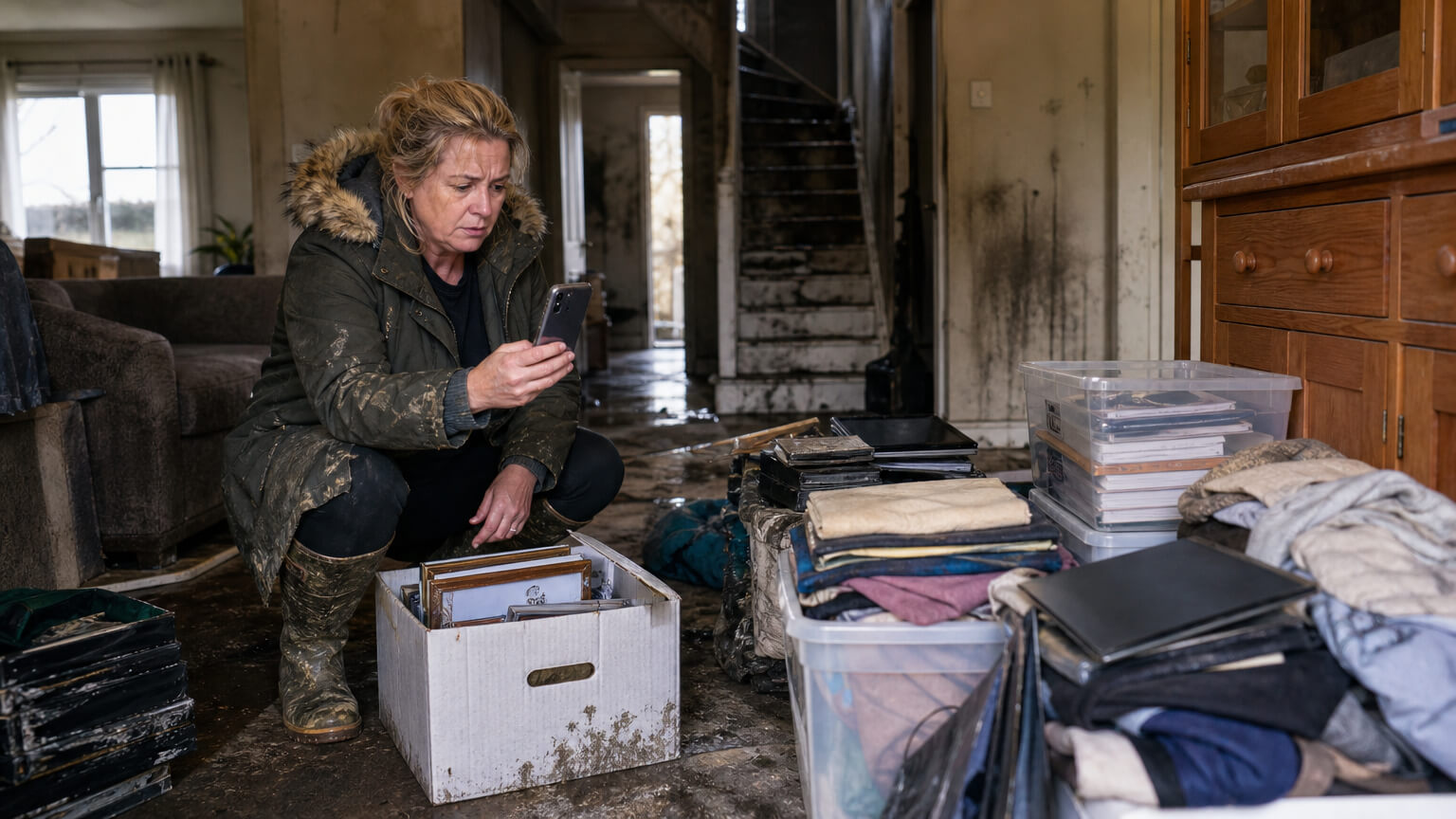
Two limits sit inside most home insurance policies on this, and neither one is prominently labelled. They are worth knowing before you book, not after.
Time caps on off-site storage cover
Most policies that cover off-site storage during a repair will impose a time cap, often 30 to 60 days, sometimes less. If the repair overruns, which it frequently does, you may find the insurer stops covering the storage cost before the builders have finished. Ask your insurer or loss adjuster for the exact figure, and then compare it against the schedule of works. If the schedule says 10 weeks and the policy covers 8 weeks of storage, you are planning to self-fund the gap. Better to know that now. Wigwam operates a two-week minimum stay. If the repair finishes earlier than expected, unused days are refunded. That flexibility matters in a claim where the timeline shifts.
Value caps on stored contents
Alongside the time cap, many policies impose a value cap on contents held off-site. It is often expressed as a percentage of your total contents sum insured, and figures around 10 percent are not unusual. If your total contents sum is £40,000, that cap may limit the policy’s coverage of stored goods to £4,000. If the contents of your home are worth significantly more than that, you may need additional protection. Wigwam’s contents protection policy sits alongside your buildings claim, not instead of it, and is designed to fill that gap. Check your own policy schedule before assuming the full value of your household goods is covered in storage.
What storage costs if you are paying yourself
If the insurer does not cover storage, or only covers it partially, it helps to know what you are looking at. Wigwam does not quote prices on this page because the cost depends on unit size and the length of stay. A full guide to what self storage costs in the UK is on the Wigwam site. The two main variables are how much space you need and how long you need it. The two-week minimum applies, and unused days are refunded if you leave before your planned end date.
Choosing the right unit size for a house decant

A rule of thumb, and it is only a rule of thumb: a 25 to 35 sq ft unit will take the contents of one or two rooms. A 50 to 75 sq ft unit works for a larger partial decant or a modest full house. A full house clearance with furniture typically needs 75 to 150 sq ft, depending on how much furniture you have and how carefully it is packed. If in doubt, the team at Wigwam can help you work through the estimate before you commit.
Matching unit size to the scope of the repair
The most important input is the schedule of works. If the builders are drying out one flooded room, a smaller unit may well be enough. If the whole ground floor is coming out, or the property needs to be fully vacated, factor in beds, sofas, white goods and everything from the kitchen and reception rooms. Packing efficiently, using boxes rather than loose items where possible, stretches the space further and protects the goods better. Fragile or sentimental items should go in early, clearly labelled, and be accessible if you need to retrieve something mid-repair.
Planning access during the repair
You may need to get in and out of the unit during the works, to retrieve a document, a piece of equipment, or something a family member needs. Access at Wigwam runs 6am to 10pm, seven days a week, by smart entry. That is a long enough window to work around most builder schedules. Wigwam sites are unmanned. That means Ian himself, or someone from his side, needs to be present if a removals company is dropping off goods. Wigwam does not receive goods on your behalf, sign for deliveries, or accept items from a third party without you there. Plan the move-in day accordingly, and brief your removal firm.
Keeping your goods covered once they are in the unit
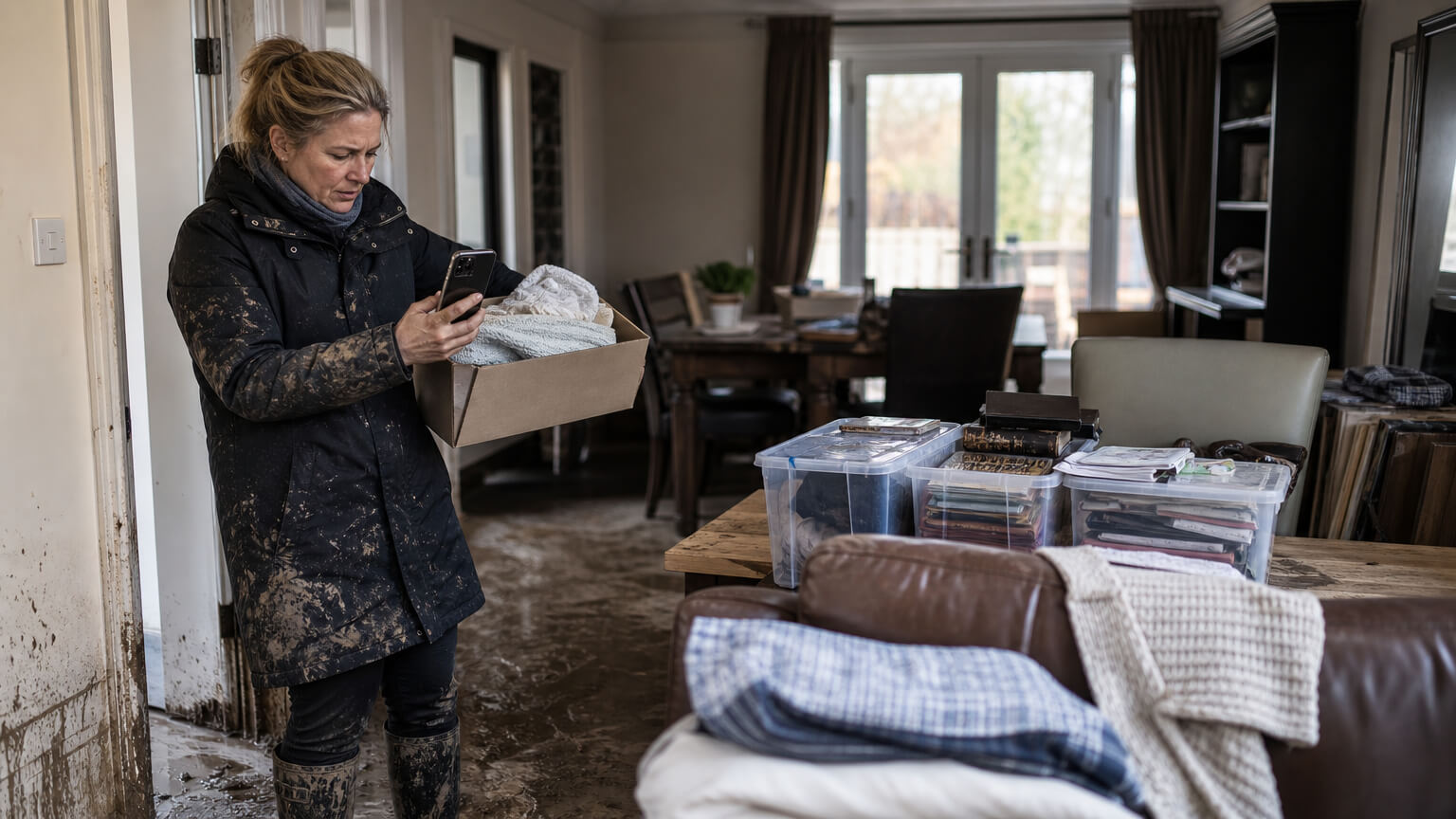
Getting your belongings into a dry, individually alarmed unit is step one. Making sure they are insured while they are there is step two, and it is a separate question from the buildings claim itself.
Your contents cover in storage, and the Wigwam RSA policy
Contents protection is mandatory at Wigwam. Either take Wigwam’s RSA Self Storage Customers’ Goods policy, or provide evidence that your own policy extends to goods in commercial storage. The RSA policy operates on a New-for-Old basis with a £50 excess. You declare the full replacement value of your stored goods; if you understate the value and need to claim, the settlement is proportional to the shortfall. Theft is covered, but only where there is evidence of forcible entry. Atmospheric and climatic damage is excluded from the policy.
That last exclusion deserves a plain note. If your home has just flooded and you are moving goods into a storage unit, the exclusion applies to the unit, not to the event that brought the goods there. Your goods are going into a clean, dry, secure unit. The RSA policy covers them against loss or damage in that unit. It does not retroactively cover flood damage that occurred at the property. The buildings claim handles that. The two sit alongside each other and cover different things. Your insurer or loss adjuster can advise on how they interact. For full details of the Wigwam policy, see the contents protection page.
Clean, dry and secure: what that means in practice
Wigwam’s units are individually alarmed, clean, dry and secure. That is the real claim, and it is the one that matters most to someone moving goods out of a flooded or fire-damaged property. The units are maintained to stay dry. They are not marketed as climate-controlled, temperature-controlled or humidity-controlled, because Wigwam does not make those claims. What they are is solidly built, consistently maintained, and monitored. For household goods coming out of a damaged property, dry and alarmed is what counts.
How Wigwam works, in plain terms

The terms are not complicated, and they are not hidden. Here is what you actually sign up for.
Notice and refund of unused days
There is no deposit. After your stay, you give 14 days’ notice to vacate and leave with your account settled, and that is all it takes. There is a two-week minimum stay. If the repair finishes earlier than planned and you want to leave before your contracted end date, unused days are refunded. That matters in a claim context because repair timelines often shift. Full terms are at wigwamstorage.co.uk/terms-conditions.
Smart entry, access hours and what unmanned means for deliveries
Access is 6am to 10pm, seven days a week, by smart entry. The sites are unmanned. There is no on-site manager to meet you, but access is straightforward once you are set up. If you are arranging a removals company to bring your goods in, you or someone from your household needs to be there. The removals crew cannot simply drop off the goods and leave; a responsible person from your side has to be present. Wigwam does not hold keys on your behalf or sign for goods.
Finding your nearest market-town location
Wigwam operates across our UK market-town locations. Wigwam Self Storage Lincoln in Lincolnshire and Wigwam Self Storage Bath in Somerset are two examples. For the full list, including locations closer to other parts of the country, the locations hub is the place to start. When you are clearing a household at short notice, a local unit makes a practical difference.
What to do this week: a simple checklist before you book

If the loss adjuster has been and the builders are coming, here is the order of steps.
The pre-booking steps
-
Confirm with your loss adjuster or insurer that storage costs are covered. Get written confirmation. Ask for the time cap, the value cap, and whether they require you to use a specific provider or just a commercial facility.
-
Check your own contents cover. Does your policy extend to goods held in commercial off-site storage? To what value? Is there a time limit separate from the Alternative Accommodation clause?
-
Work out how much needs to move and roughly how long for. A partial decant of one room is a small unit. A full house clearance is a larger one. Match the unit size to the scope of the works, not to an optimistic estimate.
-
Book the unit before the builders arrive. Reserve at quote.wigwamstorage.co.uk. Starting a quote is free and takes a few minutes.
-
Arrange contents protection for the unit. Take Wigwam’s RSA policy or provide evidence of your own cover. Declare the full replacement value of what you are storing. Details at wigwamstorage.co.uk/contents-protection.
-
Keep all receipts. Storage rental agreements, removal invoices, any related costs. Your insurer may reimburse them, but they will need the paperwork. Wigwam can issue a formal rental agreement for the claim file.
A note on jurisdiction: This guide reflects general practice in England and Wales. Insurance policy law and the claims process may differ in Scotland and Northern Ireland. Always check with your own insurer and solicitor, and for disputes, contact the Financial Ombudsman Service.
Who to call if you have a claim dispute
If your insurer refuses to cover the storage costs and you believe they should, the Financial Ombudsman Service is the free, independent escalation route for UK consumers. Wigwam cannot adjudicate claims, advise on policy interpretation or represent you in a dispute with your insurer. What the team here can do is provide documentation of your storage agreement and costs if your insurer requests it. The Financial Ombudsman Service can be found at financial-ombudsman.org.uk.
Ready to book? Start with a quote
The one thing left to do is reserve the unit before the builders arrive. Everything else in this guide is preparation. The booking is the decision that sorts it.
How to get a quote and what to expect
Start at quote.wigwamstorage.co.uk. The quote is the starting point. Once you have it, the team can advise on the right unit size and confirm your nearest location. Wigwam’s terms apply from day one: no deposit, 14-day notice to vacate, refund of unused days if you leave early, two-week minimum. No surprises mid-claim. Pricing is referenced at wigwamstorage.co.uk/how-much-is-self-storage-in-the-uk. Full terms are at wigwamstorage.co.uk/terms-conditions.
Keeping the paperwork your insurer will need
Once the unit is booked, keep the rental agreement somewhere accessible. The same goes for removal invoices and any other costs connected to the decant. When the repair completes and you move back in, your insurer or loss adjuster will want the receipts to settle that part of the claim. Wigwam can issue documentation at any point during your stay. It is the last administrative step before the house is yours again.
When you are ready to book, start at quote.wigwamstorage.co.uk.
Frequently Asked Questions
Yes, and do it before anything moves. A dated photographic record of each item as it leaves the property is one of the most useful things you can create during a claim, and almost nobody thinks to do it until later. Take a clear shot of every significant piece of furniture, every box once it is packed, and anything fragile or high in value. Note any pre-existing marks or damage so there is no confusion later about what happened where. This serves two separate purposes. First, it supports the buildings claim itself, because the loss adjuster may want evidence of the condition and contents of the affected rooms. Second, it protects you under the contents protection policy on the unit. If you ever needed to claim for loss or damage that happened in the unit, a before-and-after record makes the position plain. Keep the photographs somewhere backed up, not just on a single phone that could be lost in the upheaval of a move. A simple folder in your cloud storage, with the date in the file name, is enough. Pair the photographs with an itemised list and the replacement values you have declared on your contents cover, and you have a complete record that works for both the buildings claim and the storage policy. It costs nothing and takes an hour. In a process that can run for months, that hour is well spent.
If the claim is rejected, the storage cost falls to you, which is exactly why the written-approval step matters so much before you book. An insurer can decline to cover storage for reasons that have nothing to do with the storage itself: the cause of damage may fall outside the policy, a condition may not have been met, or the claim may be disputed entirely. None of that changes your agreement with us. Your unit is yours on the same plain terms whether the insurer pays or not: no deposit, a two-week minimum stay, and a refund of unused days if you give your notice and leave early. So if a claim is rejected partway through, you are not locked into a long contract. You can give 14 days’ notice, clear the unit, and recover any unused days once the account is settled. If you want to keep the unit and self-fund it, the rolling arrangement simply continues at the same rate. What we cannot do is advise you on the rejection or argue the claim on your behalf. The team here handles storage matters only: sizing, access, pricing and invoicing. For a disputed decision, the Financial Ombudsman Service is the free, independent route for UK consumers, and we can supply your rental agreement and cost documentation for that file if you need it.
You can, but think carefully about the order. There is nothing stopping you booking a unit today, and sometimes the builders’ schedule forces your hand before the paperwork has caught up. The risk is purely about who pays. If you book and move in before your insurer or loss adjuster has confirmed in writing that the storage cost is covered, you may find later that it is not reimbursable, or that you have chosen a provider or arrangement that falls outside what the policy allows. Some policies require a licensed commercial facility, some cap the cost, and a few specify approved providers. So the safe sequence is to get the written approval first. Where that is genuinely not possible because of timing, our terms work in your favour: the two-week minimum is short, there is no deposit, and unused days are refunded if you leave early. That means booking ahead of confirmation carries limited downside on our side, even if the worst happens and the insurer later declines the cost. If you are in that position, keep every document from day one: the rental agreement, the move-in date, removal invoices. The moment cover is confirmed, you want the paperwork ready to submit rather than reconstructed weeks later.
Then you stop paying for storage you are not using, and that is straightforward here. Insurers often approve a block of storage time, say eight weeks, but a repair can wrap up sooner than the schedule of works suggested. With us, you are not tied to that approved block. We operate a two-week minimum stay, and beyond that the arrangement is rolling. When the house is ready and you want your belongings back, you give 14 days’ notice, clear the unit, settle the account, and any unused days you have already paid for are refunded. So if your insurer approved and paid for eight weeks but the repair finished at week five, you are not stuck holding an empty unit to the end of the approved period. One point worth raising with your loss adjuster: ask how the refund of unused days interacts with what the insurer has reimbursed. If the insurer paid the storage cost directly and you then receive a refund of unused days, the insurer may expect that refund to be passed back or accounted for. That is a question for them, not for us, because we settle the refund to whoever paid the invoice on the account. Keeping the loss adjuster informed of your actual move-out date keeps that side of the claim clean.
Yes, and that partial arrangement is one of the most common reasons people come to us during a claim. A flood or an escape of water often affects one or two rooms while the rest of the house stays liveable. There is no requirement to empty the whole property. You clear only the affected rooms, move those contents into a unit sized for them, and carry on living upstairs or in the unaffected part of the house while the builders work. A 25 to 35 square foot unit will usually take the contents of one or two rooms, so a partial decant tends to mean a smaller, cheaper unit than a full house clearance. Access is 6am to 10pm, seven days a week, by smart entry, so you can retrieve something from the unit if you realise mid-repair that you need it. A couple of practical notes. Pack and label by room, because when that room is finished you will want to restore it in one go rather than hunting through everything. And keep anything you might need during the works near the front of the unit. If the scope later grows and more rooms have to come out, you can move up to a larger unit. Speak to the team about availability before you assume the bigger size is free.