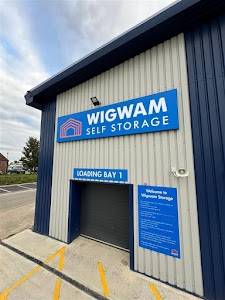
Keep it, store it, or pass it on — how do you even decide?
Leaving a home you have lived in for decades is not like moving house. It is more like editing a life, and nobody does that quickly or cleanly. The rooms are full of things that are also memories, and a completion date does not care about that distinction.
This guide gives you a calm framework for doing it in three stages: what you keep, what you store for now, and what you pass on. There is no rush here. The aim is to help you arrive in the new place without regret, and without forcing a permanent decision during the hardest month.
Why downsizing decisions feel so hard (and why rushing them is the real mistake)

Downsizing is not a logistics problem with a tidy solution. Most of the difficulty is about identity, and that is worth naming before we get to anything practical.
The time pressure that forces bad decisions
Completion dates are the enemy of good judgement. When you have three days before exchange and a wardrobe full of things accumulated over thirty years, the temptation is to clear it all in an afternoon and deal with the feelings later. The feelings do not cooperate. The most common form of downsizing regret is not throwing too little away. It is making a permanent decision under temporary pressure, and then living with the gap it leaves.
The real enemy is not the volume of things. It is the deadline pressing those things into a binary: keep or bin, now, today. A short-term storage unit removes that binary. It gives the not-yet pile somewhere to go while you find your feet. That is not indecision. It is patience, applied sensibly.
Why “just get rid of it” advice rarely helps
Most decluttering advice is written for someone sorting a spare bedroom, not a family home of forty years. The practical wisdom about letting go of what you have not used in twelve months does not translate when the thing in question is the coat worn to a daughter’s wedding, or the tea service your mother brought from somewhere she no longer speaks about. The scale is different. The weight is different. This page takes a different approach.
The three piles: keep, store and pass on

The framework is simple: every object belongs in one of three piles, keep, store, or pass on. The middle pile is the one most guides ignore, and it is the most important one.
The keep pile: what the new place can genuinely hold
Before you start filling bags and boxes, draw the new floor plan and measure what you have. Not what you would like to have. What actually fits. This sounds obvious, but it is surprisingly easy to mentally allocate a piece of furniture to a room that cannot take it, and only discover the problem on moving day.
The keep pile is not the things you love most. It is the things you love most that fit, that work in the new place, and that the new place has room for. Furniture can be beautiful and wrong for a smaller hallway at the same time. Measure first. Then decide.
Think practically about what your day-to-day needs in the new home, and what the new home can actually accommodate. The dining table that seated twelve will not fit the new dining room; it is not a candidate for the keep pile, however much it matters.
The store pile: what you are not ready to decide about yet
This is the pile that changes everything.
The store pile is not for things you are keeping. It is for things you are not ready to decide about yet, and cannot be expected to decide about under a completion-date deadline. The dresser that might fit the new bedroom once you have lived in it for six months. Your late husband’s workshop tools, waiting until your son has a garage to keep them in. The box of photographs that needs to be sorted properly, not in an afternoon.
Putting something in storage is not avoiding the decision. It is giving the decision the time it deserves. A Wigwam unit runs on a two-week minimum stay. There is no deposit to pay. If you leave earlier than expected, unused days are refunded. You are not locking yourself in for a year. You are buying a little space and time while the dust settles.
That is not weakness. That is a reasonable response to an unreasonable amount of pressure.
If you want to see what a local unit would cost before you commit to anything, a quote takes two minutes and there is no obligation. Find your nearest location and get a price at quote.wigwamstorage.co.uk.
The pass-on pile: family, charity, house clearance and recycling
Some things belong with specific people. Ask family members early, before moving week, what they actually want. The answer may surprise you in both directions. Do not assume your children want the things you think they should want, and do not assume they do not want the things you assumed would go to a charity shop.
Beyond family, the options are straightforward. Charity shops will take furniture in good condition, often with a collection service. House-clearance firms handle the volume work when the pile is simply too large to manage personally. Local recycling centres take what cannot be donated. Your local council website will have details of what is accepted where.
Wigwam does not offer a clearance service. We hold what you are keeping and storing. But naming the pass-on routes clearly is part of giving you a complete picture, and we would rather you knew all the options.
The mistakes downsizers most often regret

The most common regret is not throwing too little away. It is deciding too fast.
Deciding under deadline pressure
Three days before completion, a wardrobe of thirty years gets cleared in an afternoon. The photographs go in a bin bag. The embroidered tablecloth from someone’s grandmother goes to a charity shop that may or may not be able to sell it. Six months later, the gap is very clear. The thing is gone, and it is not coming back.
The store pile is the remedy. If you do not know whether something matters enough to keep, and you cannot afford to test that theory by discarding it, it goes in storage. The decision waits. You do not have to make it today.
Letting someone else decide for you
Adult children often help with the practical side of a move: the lifting, the van, the packing. The decision about what matters to you is a different thing entirely. It is yours to make, in your own time. Someone who grew up in the house has their own relationship with its contents, but their relationship is not the same as yours. Will Stowe will not tell you what to keep. Neither should anyone else. We hold what you are not ready to let go of, not what your children think is sensible.
Skipping the room-by-room walk
The most practical piece of advice is also the simplest: do not try to sort the house in your head. Go room by room, physically. Put things in piles or mark them on a list. A mental catalogue of a four-bedroom house is too much to hold, and decisions made without seeing the object in front of you are often decisions you revise when you find the object later.
One room at a time. Three piles. That is all.
What goes in the storage unit, and what does not

A Wigwam unit is a clean, dry, secure room for household goods. It works well for a wide range of what downsizers need to set aside; there are a few things it cannot take, and we want to be straight with you about both.
Good candidates for a downsizer’s unit
Furniture that might fit the new place once you have lived in it for a few months. Seasonal items that the new home does not have room to store all year. Books, records, artwork, and framed photographs. Paperwork and family documents that need proper sorting but not necessarily now. Items belonging to grown children who have not yet had time to collect them. Keepsakes and heirlooms that carry weight and need somewhere safe while you decide what happens to them next.
Units at our UK market-town locations are individually alarmed, clean and dry. Access is by smart entry between 6am and 10pm, seven days a week. You use your own code; no appointment or staff member required to get to your unit. The sites are unmanned, which means you are in charge of your own space. If you are expecting a removal company or a courier on move-in day, someone from your own side needs to be present. We do not sign for deliveries or receive goods on customers’ behalf.
What we cannot store: honest exclusions
No vehicles, caravans, motorhomes or boats. Units are for household goods only. If the downsize involves clearing a garage with a car or a drive with a caravan, those need a different solution.
No climate control. Our units are described accurately as clean, dry and secure. There is no temperature or humidity management. For most household goods, that is perfectly adequate. For very fine antiques or specialist items that need controlled conditions, you will want to check the requirements with your insurer or a specialist storage provider. We would rather you knew that now than discovered it later.
What size unit you actually need

The unit size that suits a downsizer is usually smaller than people expect, because you are not moving a full house in. You are parking the not-yet pile while you work out what the new life needs.
Size guide by home type
A rough guide, based on typical downsizer use:
- A few boxes and loose items: 10 to 15 sq ft locker or small unit.
- Downsizing from a one or two-bedroom flat: 25 to 50 sq ft is usually enough for the store pile from a smaller home.
- Downsizing from a three-bedroom house: 75 to 100 sq ft typically covers the furniture and boxes you are not yet ready to place.
- Downsizing from a larger four or five-bedroom family home: 100 to 150 sq ft and above, depending on how much is coming out of the loft and outbuildings.
These are starting-point estimates, not guarantees. The unit-size guide on the Wigwam website has more detail. A quote will show you available sizes and costs at your nearest location.
Start smaller than you think
Most downsizers overestimate how much will go into the unit, because at the point of booking they are picturing the whole house, not just the not-yet pile. The three-pile method changes the calculation. If you are only storing what you cannot decide about yet, the unit is often two sizes smaller than you assumed.
The two-week minimum and flexible terms mean you can start with a smaller unit and upsize if needed. For pricing, see what self storage costs in the UK. No prices are quoted on this page because costs vary by location and unit size; a quote is the quickest way to get an accurate number.
How long downsizers usually store for

There is no typical answer. Some people are in and out in three months. Others find the unit becomes a longer-term home for things the family has not yet had space or time to collect.
Short-term buffer: three to six months while you settle in
Many customers find that the decision-making they could not do under completion-date pressure becomes straightforward once the new home starts to feel like home. The dresser that seemed undecided in a removal van becomes obviously right or obviously wrong once you have lived in the new bedroom for a month. The unit holds it in the meantime.
The terms are designed for this: two-week minimum stay, 14-day notice to end, unused days refunded if you leave early. You are not signing up for a year. You are keeping your options open while you find your feet.
Longer-term storage: when family needs time too
Sometimes what is in the unit belongs to a next generation that is not yet in a position to take it. A grandchild who is still renting and does not have a home for the grandmother’s dresser. A son who lives in a flat in Edinburgh and cannot take the workshop tools until he has a house with a garage. A daughter who wants the dining table but is in the middle of a renovation.
We have seen units hold a grandmother’s china for two years until the grandchild had a kitchen that could do it justice. That is a perfectly reasonable use of the space. Storage does not have to be temporary to be sensible.
Storing close to home: why local matters for a downsize

When you are settling into a new place nearby, being able to visit the unit on your own timetable makes a material difference. Not to feel the things are safe, but to actually see them, add to the pile, or take something out when the time is right.
Access on your own timetable
Smart entry is available from 6am to 10pm, seven days a week. No appointment, no staff member, no waiting. You access your own unit with your own code. The sites are unmanned, which gives you genuine independence over your space.
One thing to plan for: if a removal firm is bringing items in on move day, or if a courier is delivering boxes to the unit, someone from your own side needs to be there to receive them. The sites are unmanned by Wigwam staff. We do not sign for or receive goods on customers’ behalf. Plan that into the move-day logistics and there are no surprises.
Market towns across the UK
Wigwam’s locations are in UK market towns, not out-of-town warehouse parks. Two of our named locations are Wigwam Self Storage Bath in Somerset and Wigwam Self Storage Lincoln in Lincolnshire. To find your nearest location, the locations page covers our UK market-town locations in full.
The reason local matters for a downsize is not only convenience. It is that a familiar town feels less anonymous. When the new place does not yet feel like home, a unit that is a ten-minute drive rather than a forty-minute motorway trip is easier to visit, easier to manage, and easier to access on a quiet Tuesday morning when you are ready to make a decision about what is in there.
Getting started: what the process actually looks like
Starting is simpler than most people expect. A quick quote, a move-in date, and the paperwork takes minutes.
The terms in plain language: notice and refunds
There is no deposit. Unused days are refunded if you leave before the end of a paid period, worked out after a 14-day notice period once you have vacated the unit and the account is settled, less anything owed. The minimum stay is two weeks.
We know that when you book, you may not know exactly how long you will need the unit. That is fine. The terms are designed for exactly that situation. You are not locked in, and you are not penalised for finishing early.
Full terms are on the terms and conditions page. Read them before booking if you have any questions about what applies to your situation.
A practical note: the notice terms operate under contract. They are not a substitute for legal advice. If you are dealing with a complex estate or property matter alongside the downsize, a solicitor can advise on your position. Most Wigwam locations are in England and Wales, where these terms apply; the legal framework in Scotland and Northern Ireland differs, so if you are based there and have questions about your rights in a storage contract, speak with a solicitor qualified in the relevant jurisdiction.
Contents protection: what it covers and how to set it up
Contents cover is mandatory at Wigwam. You can take out the Wigwam contents protection policy, underwritten by RSA, or provide evidence that your own home or contents insurance covers goods in self storage.
Whichever route you take, declare the full replacement value of what you are storing. If you under-insure and need to make a claim, the payout is settled proportionally to the declared value. For most household goods, that means taking stock carefully before you declare a figure. For antiques, heirlooms or anything with specialist value, talk to your own insurer about a valuation; some items need separate specialist cover.
All the details are on the contents protection page. We can point you there; we cannot advise on the insurance side itself.
Getting a quote and what happens next
A quote is the quickest way to see what is available near you, what sizes are free on your move-in date, and what the cost will be. There are no prices on this page because they vary by location and unit size; the pricing reference page gives you cost ranges before you commit to anything.
When you are ready, or even just curious, get a no-pressure quote at quote.wigwamstorage.co.uk. No countdown, no obligation. Just a clear answer to what a local unit would cost, so you can make the decision in your own time.
Frequently Asked Questions
Store them as they are if sorting them properly is what is forcing the delay, because that is exactly what the store pile is for. The instinct to sort everything before it goes anywhere is reasonable, but a deadline-driven sort of forty years of photographs is how good things get thrown away by mistake. Boxing them up, getting them somewhere clean and dry, and sorting them later, in your own time, without a removal van waiting, is the calmer and safer choice. A photograph or a letter that is filed in a labelled box keeps perfectly well until you are ready to go through it.
There is a sensible middle ground worth doing even under time pressure. Keep the genuinely irreplaceable originals, birth and marriage certificates, the will, property deeds, together and accessible rather than buried in a box destined for the back of the unit, because you may need them sooner than the rest. Everything else, the albums, the loose photographs, the box of letters, the paperwork you will reduce once you have a clear head, goes into labelled boxes you can work through over the following months. Our units are clean and dry, which suits paper well, though there is no climate control, so for anything genuinely museum-grade or heat-sensitive you would want specialist advice. Pack documents off the floor and sealed against dust. Then visit when you are ready, pull one box at a time, and do the sorting at the kitchen table rather than on the floor of the old house with the clock running. That is the whole point of the store pile: it turns a rushed, regrettable job into an unhurried one.
Slow it down and separate the decision from the deadline, because the two are not the same thing. The completion date is a logistics deadline, the date the house must be empty. It is not a decision deadline. Anything you are not ready to part with does not have to be decided by then; it goes into the store pile and the decision waits until the pressure has lifted. That single distinction removes most of the distress, because the hard choices stop being things you must make in the worst week.
A few things help in practice. Go room by room, physically, rather than trying to hold the whole house in your head, because decisions made without the object in front of you are the ones you later revise. Ask family early and specifically what they actually want, and be ready to be surprised in both directions; do not assume on anyone’s behalf. And keep the decisions yours. Adult children are invaluable for the lifting and the van, but what matters to you is yours to decide, in your own time. Nobody, including us, should tell you what to keep. The store pile is the tool that makes all of this possible: it gives the dresser, the workshop tools, the box of photographs somewhere safe to sit while you find your feet in the new home, where these things often become obviously right or obviously wrong once you have lived with the space for a month or two. That is not indecision. It is patience applied sensibly, which is the opposite of the rushed clear-out that causes regret.
Yes, and many downsizers do exactly that. The unit is your space within the access window, so you can bring more in whenever you need to during the clearance, not just on move-in day. Clearing a family home rarely happens in one go. The loft, the garage, the outbuildings and the back of cupboards tend to surface things in waves over the following weeks, and the unit absorbs them as they appear. You access it yourself by smart entry, 6am to 10pm, seven days a week, with no appointment and no staff to coordinate with.
Two practical things make this work smoothly. First, size the unit with a little room to spare rather than packing it tight on day one, so there is space and a clear path to add later loads without restacking everything. If you do underestimate, the flexible terms mean you can move up a size; the two-week minimum is the only floor. Second, if a removal firm or courier is bringing a later load to the unit rather than you carrying it in yourself, remember the sites are unmanned, so someone from your own side must be present to receive it. We do not sign for or accept deliveries on your behalf, and we do not hold spare keys. So plan any delivered loads around a time you, or someone you have arranged access for, can be there. Beyond that, adding to the unit is simply a matter of turning up within the access hours and putting the next boxes in. The store pile can grow as the house empties, which is exactly how a careful, unhurried downsize tends to go.
They are two separate things that people often run together, so it is worth being plain. The two-week minimum stay is the shortest time you can keep the unit, a floor on the length of the let. The 14-day notice is the warning you give when you want to end the arrangement. They do not stack on top of each other, and the notice is not an extra two weeks bolted onto the minimum. The minimum governs the start of the let; the notice governs the end.
Here is how it plays out. When you are ready to leave, you tell us, that starts the 14-day notice. You clear the unit and settle the account within that period. Once the unit is empty and the account is settled with nothing outstanding, you are done. If you happen to leave before the end of a period you have already paid for, the unused days are refunded, so you are never paying for time the unit sat empty after you had gone. There is no deposit, to be clear, so nothing of yours is held back waiting on those steps. For a downsizer with no fixed idea of how long the not-yet pile will need to sit, this is the reassuring part: there is no maximum stay, no long tie-in, and no penalty for finishing early. You commit to a fortnight at the least, you give a fortnight’s warning at the end, and you only pay for the time you actually used. The full terms are on the terms and conditions page if you want to read the exact wording before you book.
Yes, and it is one of the most common reasons a downsizer’s unit stays in use beyond the first few months. There is no maximum stay, so the grandmother’s dresser or the workshop tools can wait in a clean, dry, secure unit until the grandchild stops renting or the son finally has a garage. We have seen units hold a family’s china for a couple of years until the next generation had a kitchen that could do it justice, and that is a perfectly sensible use of the space. Storage does not have to be temporary to be worthwhile.
A few points keep it straightforward over a longer run. The account stays in your name, on the same flexible terms, billed for as long as you keep it, with any unused days refunded when you eventually give your 14 days notice and clear the unit. Contents cover is mandatory throughout, and you should declare the full replacement value of what is inside, because under-insurance is settled proportionally; for furniture or heirlooms with specialist value, ask your own insurer about valuation rather than guessing. When the relative is finally ready to collect, they can do so within the access hours, but bear in mind the sites are unmanned, so either you or they need authorised access to get in, and if a removal firm is doing the lifting, someone from your side must be present to let them in and oversee it. We do not hold keys or release goods to a third party on your say-so alone. Sort the access arrangement when you take the unit, and a piece can sit safely for as long as the family needs, then leave cleanly when the time comes.