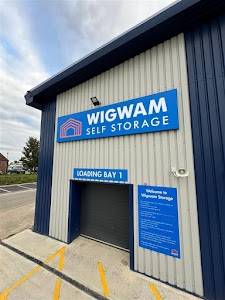
The butcher’s still there — so why isn’t the storage?
When you move to a market town, you expect to find the same things you had before: a decent butcher, a post office, a GP surgery, and somewhere sensible to put your overflow. The butcher is there. The storage is not, or at least not the brands you recognise.
That is not an accident. It is not that the big chains tried and failed to open near you. It is that they looked at your town, ran the numbers, and moved on. Understanding why that happened is the first step to finding what is actually there instead.
And something is there. Several operators chose these towns deliberately, found real demand waiting for them, and built. This page explains the gap, names who fills it, and tells you exactly what to expect when you use a market-town storage site.
Why the national chains skip market towns
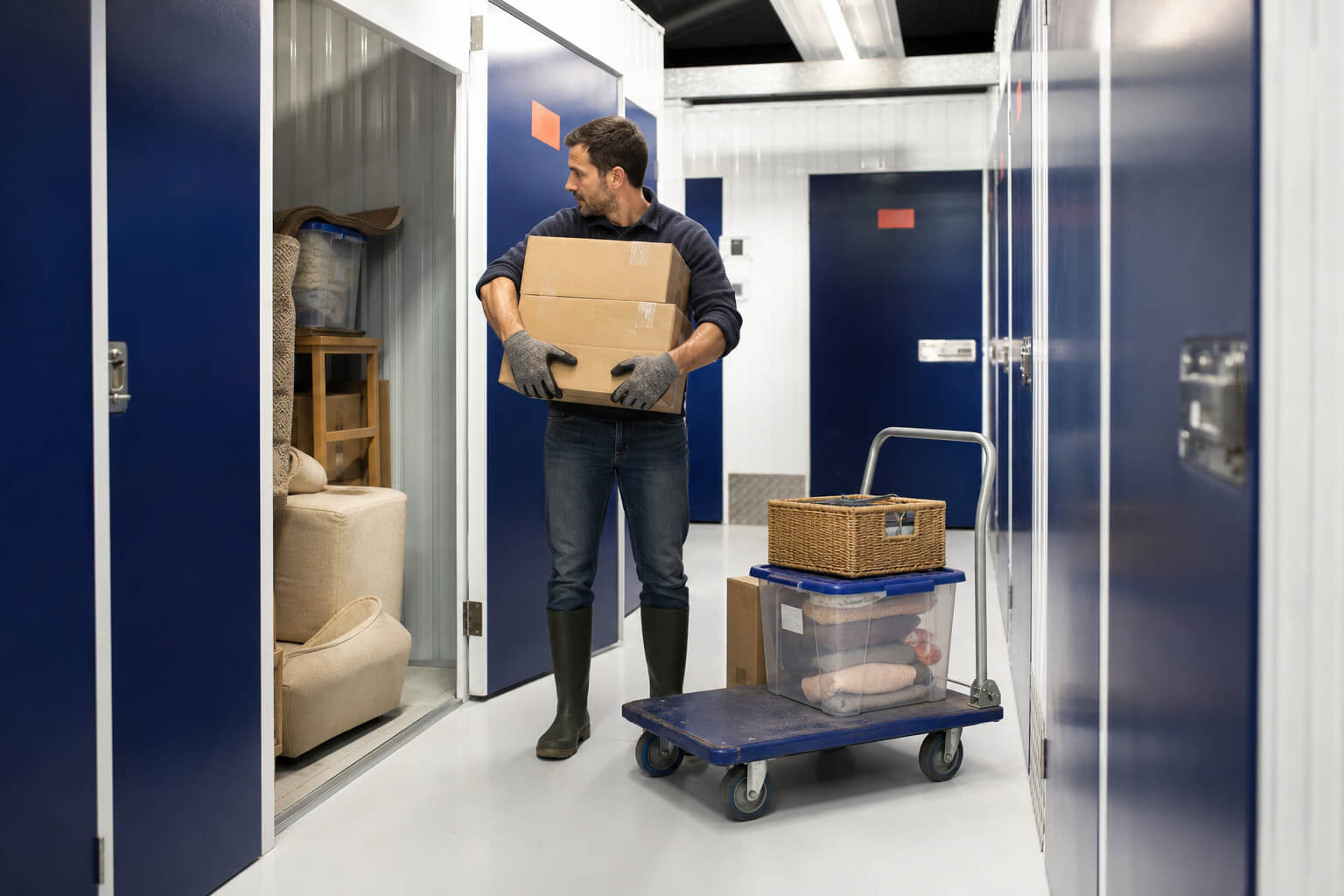
The big self storage companies are not missing from your market town. They chose not to build there, and the reason is straightforward once you see how large self storage investment actually works.
Planning and land in a market town
A modern self storage facility is, at its core, a large warehouse. The big names operate buildings of forty thousand square feet and above. They need flat, accessible land with planning permission for commercial storage use, and they need enough of it to justify the build cost.
Market towns are not designed for that. The historic street patterns, the conservation area boundaries, the tight plot sizes around the high street, all of it makes a large-format warehouse difficult to site and harder to get through planning. The same density that makes these towns pleasant to live in, the scale, the character, the proximity of residential to commercial, is precisely what makes them impractical for a big-box storage operator.
This is not a planning failure on the town’s part. It is just a mismatch between what a large national operator needs and what a market town’s physical environment can offer.
Why the numbers point the big chains at cities
Even where the land question could be solved, the investment case rarely stacks up. National operators run high-volume estates. Their return on a new facility depends on filling hundreds of units quickly, generating enough monthly income to pay back the capital cost of the build within a defined window.
Cities and motorway junctions give them that. A market town of ten to fifteen thousand people does not, regardless of how real the demand is there. The demand in a market town is genuine, but it is spread thin, and the big chain’s spreadsheet was never built to reward thin-but-genuine. It was built to reward density. So they went where the model worked and left the market towns to whoever was willing to think differently about the numbers.
Who actually serves market towns
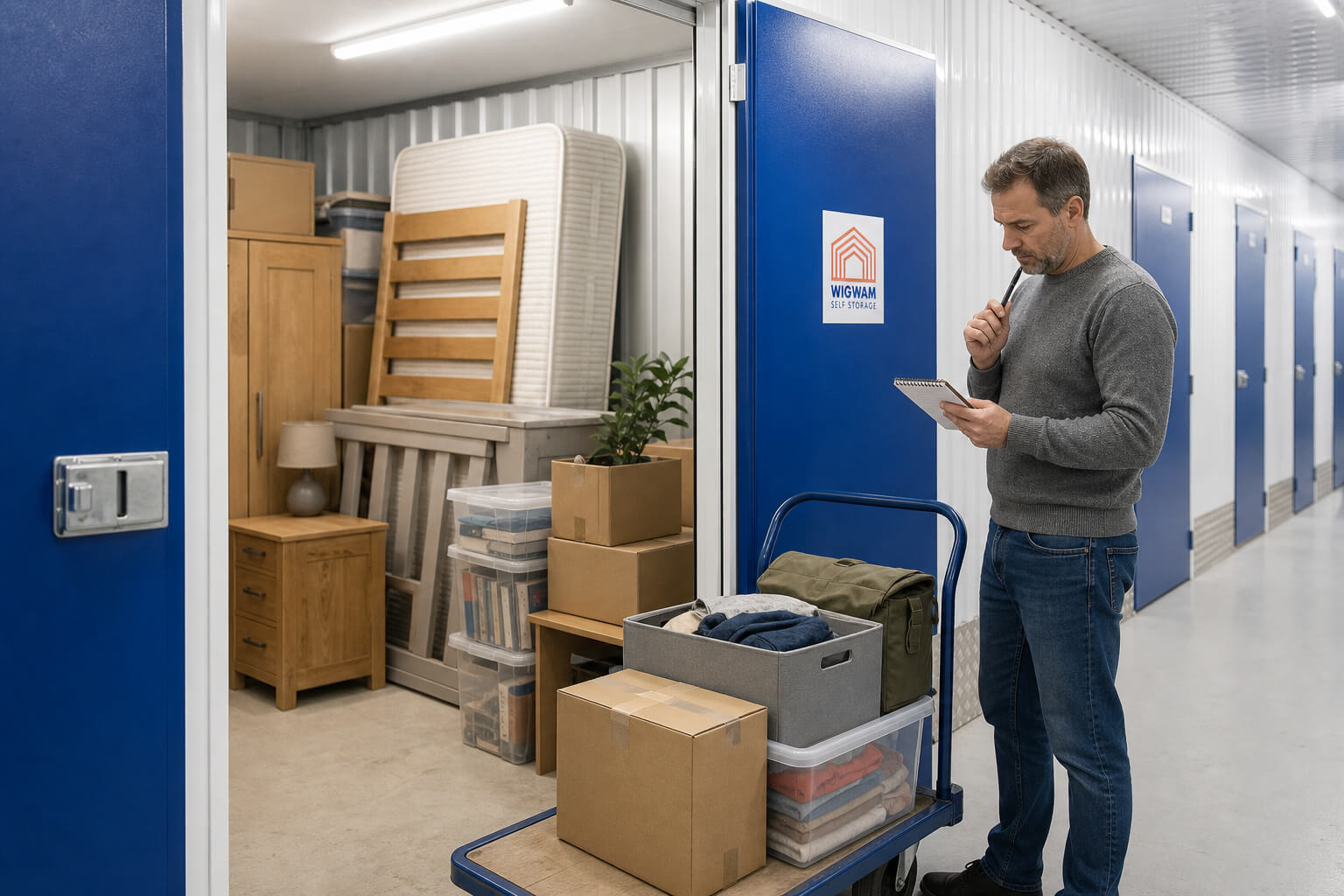
The operators who serve market towns tend to be purpose-built and locally focused. They built in smaller towns because they saw demand the national chains did not pursue.
The independent and purpose-built alternative
The honest answer is that market-town storage is usually run by a smaller, locally rooted operator, one that chose these locations because it believed the residents and businesses there needed storage close to home.
Wigwam Self Storage Lincoln in Lincolnshire and Wigwam Self Storage Bath in Somerset are two examples of what this looks like in practice. Both are purpose-built, professionally run storage sites in market towns where the national names never arrived. They exist because Wigwam looked at those towns, saw the unmet need, and built for it.
Across our UK market-town locations, the pattern is the same. The towns were not on the national chains’ shortlists. They were, for us, exactly where we wanted to be.
Does a market-town site cost more or less
The cost of running a site in a market town differs from a city centre facility, and those differences work in various directions. Land is not always cheaper in small towns, and a purpose-built site still carries real capital costs. What changes is the scale and the margin model.
Rather than speculate, the most useful thing is to look at the actual numbers for your situation. The pricing reference page at what self storage costs in your area covers how pricing works, what factors influence the cost, and how to size what you need.
Is a local site as secure as the big chains
It can be, and with the right operator, it is. Security is not a function of the brand name above the door. It is a function of the specific measures installed at the specific site.
At Wigwam, your unit has its own individual alarm. Access is by smart entry between 6am and 10pm, seven days a week. The standard we hold every site to is clean, dry and secure. That is not a brochure phrase. It is what you will find when you open your unit on the third visit, or the thirtieth.
There are no grand claims about climate control or humidity regulation here, because we do not offer them. The honest position is that your things will be stored in a clean, dry, individually alarmed unit, at a site with controlled access. For most of what people store in self storage, that is exactly what they need.
What a market-town site does and does not offer

Knowing what you are getting and what you are not is the fastest way to work out whether a site fits your situation. Here is the honest list for a Wigwam site.
What you can store
Household goods and business goods. The units are built for items that do not need active temperature or humidity control: furniture, boxes, files, stock, equipment, the contents of a room or a spare room-worth of things from a business premises. Clean, dry and secure is the standard, and it covers the vast majority of what people actually need storage for.
What the site does not offer (and why that matters)
Wigwam sites do not offer vehicle storage, caravan storage, motorhome storage, or boat storage. If you are looking to keep a vehicle or leisure craft off the road, a Wigwam market-town site is not the right fit, and it is better to know that now than after a wasted journey.
Climate control is not offered. The clean, dry and secure standard is what it says. If your goods require precise temperature or humidity management, you will need a specialist facility that can provide it.
The sites are unmanned. You access your own unit directly. There is no reception desk, no staff on site to let you in or out. For most customers, that is part of the point: you go when you need to, between 6am and 10pm, using your smart entry, and you do not need to call ahead or coordinate with anyone. If you are expecting a delivery to the site, you need to be there yourself, or have someone from your side there to receive it. Wigwam staff are not present to sign for or accept deliveries on your behalf.
Contents cover: what you need to know
Contents cover is mandatory at Wigwam. You either take out Wigwam’s own contents-protection policy or you show evidence of equivalent cover of your own. Either way, you need to have it in place from day one.
When you declare your goods, declare the full replacement value. If you declare less than the full value and you need to make a claim, any payout will be proportional to what you declared. That is standard policy wording, and it is worth understanding before you start.
For the details of what is covered and what is excluded, see Wigwam’s contents-protection policy.
A note on jurisdiction: the policy terms are governed by specific wording under English law. Scotland and Northern Ireland may have different regulatory frameworks. If you have questions about your own insurance position, your insurer or broker is the right person to talk to. Wigwam staff are not in a position to advise on your individual cover.
Find storage in your market town

If you are in one of our UK market-town locations, you can find your nearest site and check availability from there.
Towns Wigwam currently serves
Wigwam Self Storage Lincoln and Wigwam Self Storage Bath are two of the named town sites. For a full list of where we operate, the locations hub is the place to start.
If your town is listed there, you will find the site page, the unit types available, and a link to get a quote. If it is not listed, the hub will give you a sense of how close the nearest site is.
Ready to check your town? Get a no-obligation quote at quote.wigwamstorage.co.uk and find out what is available near you.
How a Wigwam site works in plain terms

The terms are simple. Here is how it works.
Getting started: no deposit, minimum stay, and notice
There is no deposit when you move in. Any days you have paid for but not used are refunded after you have vacated your unit, given 14 days’ written notice, and settled any outstanding balance on your account. Nothing is kept unless something is owed.
The minimum stay is two weeks. If you move out after the minimum and before the end of a paid period, the unused days are refunded. You are not paying for time you did not use.
To leave, you give 14 days’ notice. That is it. The process is set out in full at the terms and conditions page, and we would always encourage reading those before signing up, not because they are complicated, but because you should know exactly what you are agreeing to.
Access: hours and how to get in
Access is by smart entry between 6am and 10pm, seven days a week. There are no staffed hours, no appointments to book, no one to call. Your smart entry lets you in when you need to be there.
The site is unmanned throughout. You access your own unit. If you have a delivery coming, someone from your side needs to be present at the site to receive it. Wigwam staff are not on site to sign for anything on your behalf.
What to expect when you arrive
The first time you visit your unit, what you find should be exactly what you expected: a clean, dry, individually alarmed space that is yours for as long as you need it. Smart entry, straight in, no fuss. The alarm is on your unit, not shared with the building, which means access and security are contained to your space and nobody else’s.
After the first visit, it becomes habit. You go when you need to, between 6am and 10pm, take what you need, add what you need, and leave. The site is quiet. It is self-directed. That is how it was designed to work.
The decision Wigwam made (and why)

The national chains ran their numbers and passed on market towns. We ran the same numbers and reached a different conclusion.
Why we chose market towns
When you look at the investment case for a market town, the spreadsheet does not produce the returns a national chain needs. We know that, because we looked at the same data. The footfall figures are lower, the addressable customer base is smaller, the density that a large estate requires is not there.
What the spreadsheet does not capture well is what those towns actually contain: people who have moved there, families putting down roots, local businesses without nearby storage, people in the middle of a life change who need somewhere close to home, not a forty-minute round trip to a city ring road. That demand is quieter than the city equivalent. It is also real, and it was going unserved.
We chose market towns deliberately. Across our UK market-town locations, that decision has been the same each time: look at the town, see the demand, build for it.
What that means for you as a customer
A site that was built for your town was not built to maximise throughput for a national estate. It was built to serve the people who actually live and work there. That shows up in small ways. The terms are plain because they need to be easy to understand locally, not because someone standardised them for a national portfolio. The standard is clean, dry and secure because that is what the people storing their things actually need. The access hours are set for the way people in market towns use their days.
Choosing a purpose-run local site is not a compromise. It is what you get when someone decided your town was worth building for.
Questions Wigwam gets asked about market-town storage

Before deciding, most people want answers to a short list of practical questions. Here are the ones we hear most often.
What if I need to cancel or leave early
Give 14 days’ written notice to vacate. Once you have moved out and your account is settled, that is the end of it. If you leave before the end of a paid period (beyond the two-week minimum), the unused days are refunded.
For the full terms, see the terms and conditions page.
Can I have things delivered to the site
The sites are unmanned. If you need something delivered to the site, you need to arrange to be there yourself, or to have someone from your side present to receive it. Wigwam staff are not on site and cannot sign for or receive deliveries on your behalf.
What am I covered for
Contents cover is mandatory. You take out Wigwam’s contents-protection policy or you provide evidence of your own. Either way, the cover needs to be in place from the start of your rental. Declare the full replacement value of your goods: if you under-declare and need to claim, the settlement is proportional to what you declared.
For policy details, see Wigwam’s contents-protection page.
A jurisdiction note: insurance cover terms are governed by the specific policy wording and English law. Scotland and Northern Ireland may differ. For advice on your own cover, speak to a qualified broker or insurer.
Take the next step
If you want to check what is available in your town, or get a price for your situation, the fastest way is a no-obligation quote.
Get a quote for your town
There is no commitment in asking. Visit quote.wigwamstorage.co.uk, enter your location, and see what is available near you. If Wigwam has a site in your market town, you will be able to check unit sizes and get a quote straight from there.
Browse the locations
If you would rather start by seeing where we operate, the locations hub lists all of our UK market-town sites. Wigwam Self Storage Lincoln and Wigwam Self Storage Bath have their own pages with local detail. For all other towns, the hub is the place to start.
For a sense of what self storage typically costs, the pricing reference page explains how pricing works without committing you to anything.
Find your nearest Wigwam site and get a quote at quote.wigwamstorage.co.uk. No obligation. No pressure. Just a straightforward answer for your town.
Frequently Asked Questions
No. You are never tied in beyond the two-week minimum stay, regardless of what opens nearby. If a national operator did build within reach of your town one day, you would be free to move your goods to them by giving 14 days’ written notice, vacating, and settling the account. Any unused days you have already paid for are refunded, and there is no deposit to reclaim. There is no long contract holding you in place and no penalty for leaving because a different option appeared.
That said, the reasons the big chains skip market towns are structural, not temporary. Their model needs a large, dense catchment to pay back the cost of a forty-thousand-square-foot build. A town of ten to fifteen thousand people does not produce that, and that maths does not change just because a few years pass. So the realistic answer for most market towns is that the local purpose-built site is the modern option for the long run, not a stopgap until something bigger arrives.
What matters more than who else might open is whether the site near you fits your situation now: the distance, the access hours, the terms, and the unit size you need. If those work, the presence or absence of a national name down the line should not weigh on the decision. Check what is available near you at quote.wigwamstorage.co.uk.
There is no single transfer button, because each site is a separate location with its own availability and unit sizes, but the practical answer is yes, you can do it cleanly. If you are moving from one market town to another and both are on our network, you would give 14 days’ notice on your current unit and take out a new agreement at the new site. The two run as separate bookings rather than one continuous one.
The thing to plan for is timing. If you want to avoid paying for two units at once, line up the notice on the old unit with the move-in date at the new one. The unused-days refund helps here: if you vacate the first unit before the end of a paid period, you are not paying for time you did not use, so a short overlap does not cost as much as people fear. Sizes can differ between towns too, so check the unit options at the new location before you assume a like-for-like swap is available.
The support team can help you work out sizing and availability at the destination town, but remember their scope is storage logistics, not the wider move. For the full list of where we operate, the locations hub is the place to start, and you can get a quote for the new town at quote.wigwamstorage.co.uk.
Yes, and the difference is worth understanding before you choose. The improvised options that fill the gap in many market towns, a friend’s barn, an agricultural conversion, a container in a yard, vary enormously in quality. Some are genuinely fine for the right job. But the storage environment, the security, and the access experience are not standardised the way they are at a purpose-built indoor site.
A Wigwam site holds every unit to the same standard: clean, dry and secure, individually alarmed, with controlled smart entry between 6am and 10pm. You know what you are getting before you arrive. A barn or container can be perfectly weatherproof or it can let in damp, and you often do not find out until something is ruined. There is also the question of who else has access and how the space is secured, which is rarely as clear on an informal arrangement.
None of this means a container yard is the wrong answer for everyone. For bulk outdoor storage or building materials where weatherproofing matters more than tidiness, a container can suit. But for household goods, business stock, files and equipment, the consistency of a purpose-built indoor unit is usually the safer choice. The honest position is that we store goods, not vehicles or leisure craft, and we do not offer climate control, so if your items need precise temperature management, neither a Wigwam unit nor most barns will be right.
Start with a rough comparison to rooms you already know, then check the sizing guidance before you book. Most people overestimate or underestimate, so a quick sense-check saves money and hassle. As a rough guide, the contents of a single room tend to fit a smaller unit, while a full house clearance or a business stockroom needs something larger.
A simple way to estimate:
- A few boxes and a couple of small items: a locker-sized space
- The contents of one room, or a small business archive: a small to mid unit
- A full room of furniture plus boxes: a mid to larger unit
- A whole house being stored during a move: a larger unit, or you size up
The pricing reference at what self storage costs in your area walks through how unit size and duration affect the figure. If you are unsure, the support team can help you size it over the phone or by email; that is squarely within what they handle. What they will not do is plan your wider move or your business operations around the unit, so come to them with the volume of goods, not the project. When you have a size in mind, you can confirm availability and price for your town at quote.wigwamstorage.co.uk.
You can give your 14 days’ notice in writing without being on site, so being away does not trap you. Notice is a formal written step set out in the agreement, not something that requires you to physically attend the unit. As long as you serve the notice properly and then vacate within the period, the exit runs as normal once the account is settled.
The part that needs a body in the same place as the goods is the actual emptying of the unit. The sites are unmanned, we do not hold spare keys, and we do not open units or clear them on your behalf. So if you are away, you will need to either come back to empty it yourself or arrange for someone you trust to do it using your smart entry access. If a removal firm is collecting the goods, the same rule applies: someone from your side has to be present to let them in and oversee it, because there is no staff member on site to do that.
Plan the timing so the notice period and the clear-out line up. The two-week minimum stay and the 14-day notice do not stack on top of each other into a longer wait; the minimum is simply the floor at the start of the booking. For the precise wording on how notice is served, read the terms and conditions, and if anything is unclear, ask the support team directly.