Moving day has a way of turning good intentions into a pile of boxes stacked in whatever order they came off the van. You’ll regret it in a fortnight, when you need the kettle and it’s near the bottom. Good news: getting a storage unit right isn’t a skill to learn. It’s a ten-minute decision about what goes in first, made before you start.
In a hurry? Start here:
- Packing today, van outside right now? Jump to Loading order below.
- Deciding between drive-up and container before you book? Jump to Drive-up vs container.
- Worried about security for valuables? Jump to Security you don’t have to think about.
The one thing that decides how you should pack your unit
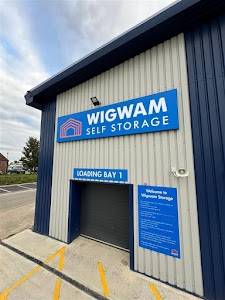
Every Wigwam drive-up or container unit is loaded and reached through one door, at ground level, no lifts, trolleys or long corridors. That single fact is the real reason behind every packing tip you’ll read anywhere: leave an aisle, keep what you need again near the front, label everything. None of it is a matter of taste. It’s what works when there’s only one way in and out.
Loading order: what goes in first, what goes in last

Because there’s only one route back to your things, the order you load in matters more than how neatly you stack. Heavy, awkward pieces go in first. Whatever you’ll want again soon goes in last, nearest the door.
Heavy and awkward items go in first
A disassembled bed frame, a wardrobe, anything with edges and weight: put it against the back wall first. You won’t need it again until moving-out day, so it earns the spot furthest from the door.
What you’ll need again goes in last, near the door
Tools, a kettle, school books, seasonal decorations: anything you might reach for in the next fortnight belongs right at the front. That’s where our access hours pay off too, an early trip before work only works if the thing you need is within arm’s reach.
Picture a drive-up unit on moving day: the van reverses right up to the door, so the order things come off is the order they land. Heavy first, against the back wall. Boxes stack heavier to lighter, with a narrow aisle, roughly one person wide, kept clear down one side. Skip that aisle and you’ll be unpacking half the unit to reach one box in week two.
Drive-up vs container: how the unit type changes your plan
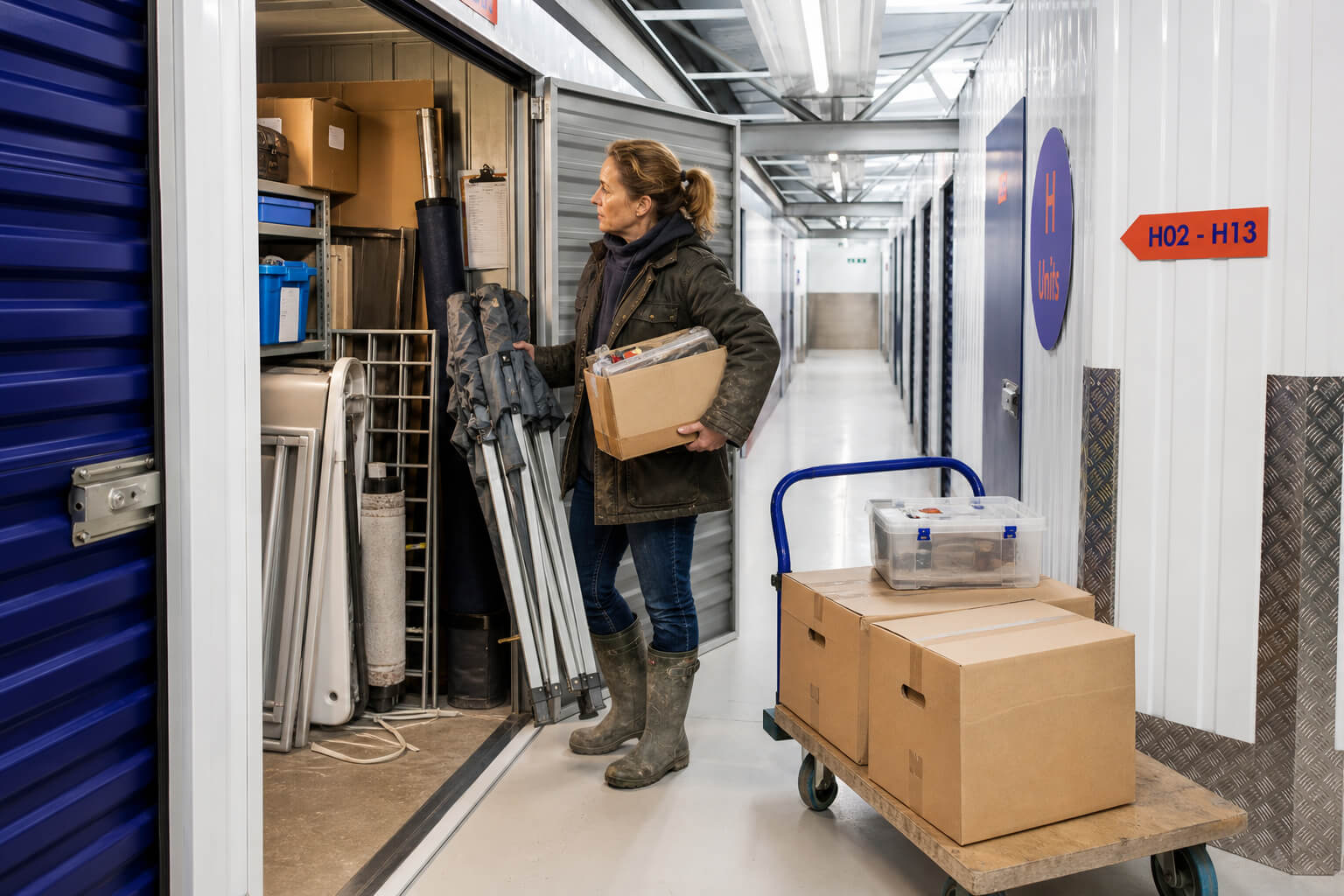
Drive-up units range from 10 sq ft to 300 sq ft depending on the site, so match your layout to whatever size you’ve booked. Container units are a fixed 160 sq ft, so the plan is simpler: one known footprint, not a range.
Drive-up: match your layout to your size
A small unit needs a tight, deliberate aisle. A larger one gives more room to keep categories separate, but the single-door logic doesn’t change.
Container: plan for a fixed footprint
Every container is the same 160 sq ft, so you’re fitting a known space rather than guessing at proportions, which suits a full house clearance well.
| Drive-up | Container | |
|---|---|---|
| Size | 10 sq ft to 300 sq ft (varies by site) | Fixed 160 sq ft |
| Access | Drive straight to the door, no lifts or trolleys | Drive-up loading into an access-controlled compound |
| Security | Individually alarmed, smart entry | CCTV-monitored compound plus your own unit lock |
| Best suited to | Flexible loads, frequent access | Large one-off loads, such as a full house clearance |
Unit type varies by site, so check your chosen location’s own page before you book. Container storage, for instance, is currently only available at three of our sites.
Still working out what size you need? That’s a different decision to this one, which assumes the booking’s done and you’re standing in front of the door.
Leave an aisle: the one habit that saves you unpacking the whole unit

A one-person-width aisle running front to back isn’t generic advice you can take or leave. It’s the only route back to anything once the door closes. Leave it down one side, keep it clear, and every other tip here works properly.
Security you don’t have to think about
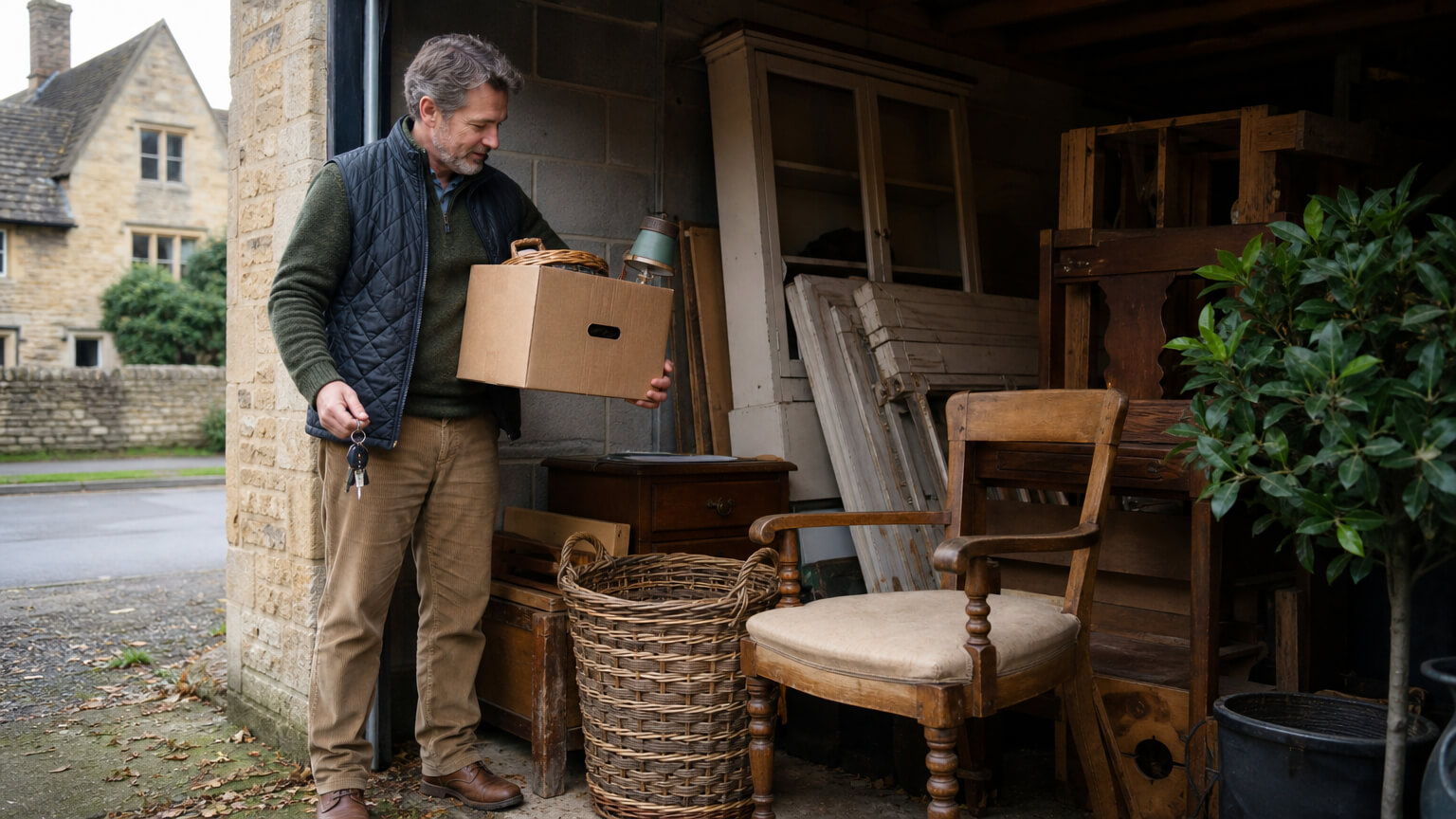
Every Wigwam unit is individually alarmed, with smart entry on set hours. Valuables don’t need hiding, wrapping in old clothes or tucking under furniture. The security is structural, built into the site, not something you have to engineer yourself.
No need to hide anything
If you’re wondering whether jewellery or anything small and valuable needs extra protection beyond the box it’s already in, the honest answer is no. The alarm and the smart entry are doing that job already.
Ready to book a unit, whether that’s at Wigwam Self Storage Bath or one of our other sites? Get a quote in a couple of minutes. And if you’ve already moved in, this reassurance is simply the point of the section, not a pitch.
Use the early access to your advantage
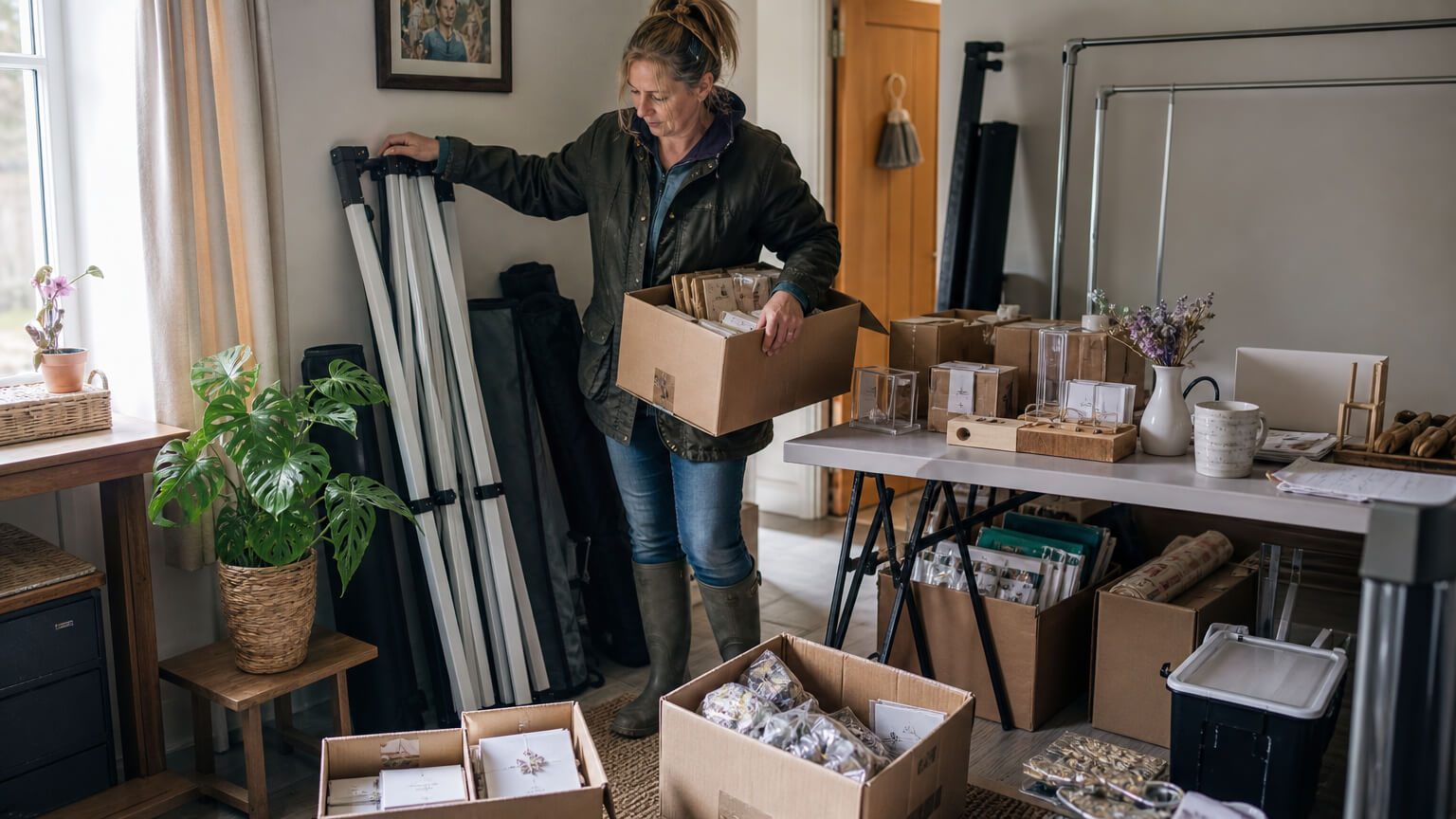
Access runs 6am to 10pm, seven days a week. An early trip before work for something you forgot is genuinely realistic, but only if you packed it near the door, not somewhere you’ll have to dig for it.
Early starts
If you run a small business and dip into your unit regularly for stock, drive-up access suits quick, early runs before the day starts. One flag: our sites are unmanned, so if you’re expecting a delivery, someone from your own business needs to be there. Nobody on site can sign for you.
The practical extras that still earn their place

Shelving, clear boxes, labelling, wrapping fragiles, taking furniture apart and vacuum-sealing soft goods: none of it is new advice, but each one earns its place for a specific reason here.
Shelving along one wall, not across the aisle
Run shelving down one side only. Cross the aisle with it and you’ve blocked the one route back to everything behind it.
Clear boxes and visible labelling
You can only see into a unit from the door, never from above or the side. Clear boxes with a label facing outward save you opening three boxes to find one thing.
Wrap fragiles and disassemble bulky furniture
Fragile items get loaded first and unloaded last, so they need to survive sitting untouched the longest. Wrap them properly, and take chunky furniture apart before it goes in.
Vacuum-sealed clothing and soft goods
Vacuum-sealing keeps soft goods compact and protected. Our units are clean, dry and secure, which is the honest promise, not climate control.
What goes wrong without this, and how to leave feeling sorted
The most common mistake
The unit that goes wrong is the one loaded in arrival order, heaviest last, “because it seemed easier at the time.” Within a fortnight, that customer is unpacking half the unit to reach one box. Get the order right at the start and you won’t think about it again.
If you’re still not sure you’ve booked the right size, that’s worth working out separately, before loading day rather than during it.
Organise it properly once, and you won’t need to think about it again for as long as you need the unit, whether that’s the two-week minimum or considerably longer, with any unused days refunded if your plans change. Get a quote and see how it works for your move.
Frequently Asked Questions
Load heavy, rarely-needed items first, against the back wall, and keep whatever you’ll want again soon near the door. Leave a narrow aisle down one side so you’re never unpacking the whole unit to reach one box.
Drive-up units range from 10 sq ft to 300 sq ft, so your layout should match whatever size you’ve booked. Container units are a fixed 160 sq ft, which suits a full house clearance particularly well. Container storage is currently only available at a handful of sites, so check your chosen location before you book.
No. Every Wigwam unit is individually alarmed with smart entry on set hours, so there’s no need to hide or improvise extra protection for anything you store.
Yes. Access runs 6am to 10pm, seven days a week, so an early trip is realistic, provided the item you need was packed near the door in the first place.