The skis have been propped in the hallway since the last week of the season, still in their bag, still slightly damp round the edges from the flight home. The bike has been leaning against the shed wall since the clocks changed, chain going slowly orange. The tent came back from that bank holiday trip smelling faintly of a wet dog and got shoved in the loft “to sort out later.” None of this is neglect. It is just what happens to gear that only earns its keep for a few months a year and has to live somewhere for the rest of it.
Here is the useful bit: skis, bikes and tents each get ruined in storage for a completely different reason, but they all need exactly the same thing put right. Sort that one thing and all three problems go away at once.
If you’re short on time, jump straight to the part that matters to you:
- Skis or a snowboard sitting in a bag or a garage right now? Go to storing skis and snowboards properly.
- A bike rusting in a shed or garage? Go to keeping a bike rust-free and secure.
- A tent or camping kit still smelling of the last trip? Go to drying, cleaning and storing tents.
Why Skis, Bikes and Tents All Get Ruined the Same Way at Home
Skis develop a wonky camber from being clamped under tension, bikes rust and flat-spot from sitting exposed to damp air, and tents grow mould from being packed away before they are properly dry. Three different mechanisms, but all three thrive in exactly the same bad environment: a space that is damp, has swinging temperatures, and gets little air movement. Fix that environment and you have fixed most of what actually damages seasonal kit.
The three failure modes, in brief
- Skis and snowboards lose their shape or their bindings drift when they are stored under tension or somewhere with poor temperature control.
- Bikes rust at the chain and cables, and can develop flat-spotted tyres, when they sit exposed to damp air for months.
- Tents and camping gear grow mould and start to smell if they go into storage even slightly damp.
Why garages, sheds and attics let kit down
It is not that a garage or a loft is a bad place by design. It is that most of them run damp, swing wildly in temperature between a cold winter and a baking summer, and rarely get enough airflow to dry anything out properly. SkiButlers, the UK ski servicing specialist, warns specifically against hot attics, damp garages and basements because they “tend to have bad temperature control and trap moisture which leads to rust.” Cycling UK, the UK’s national cycling charity, makes the same point about bikes stored outdoors, noting it “is not as well protected from the elements, which will affect its long-term reliability and maintenance.” Millets, the outdoor retailer, warns against packing tents away into “damp or hot spaces like basements or attics.” Three completely different products, three independent sources, and the same verdict on the environment to avoid.
Storing Skis and Snowboards Properly Between Seasons
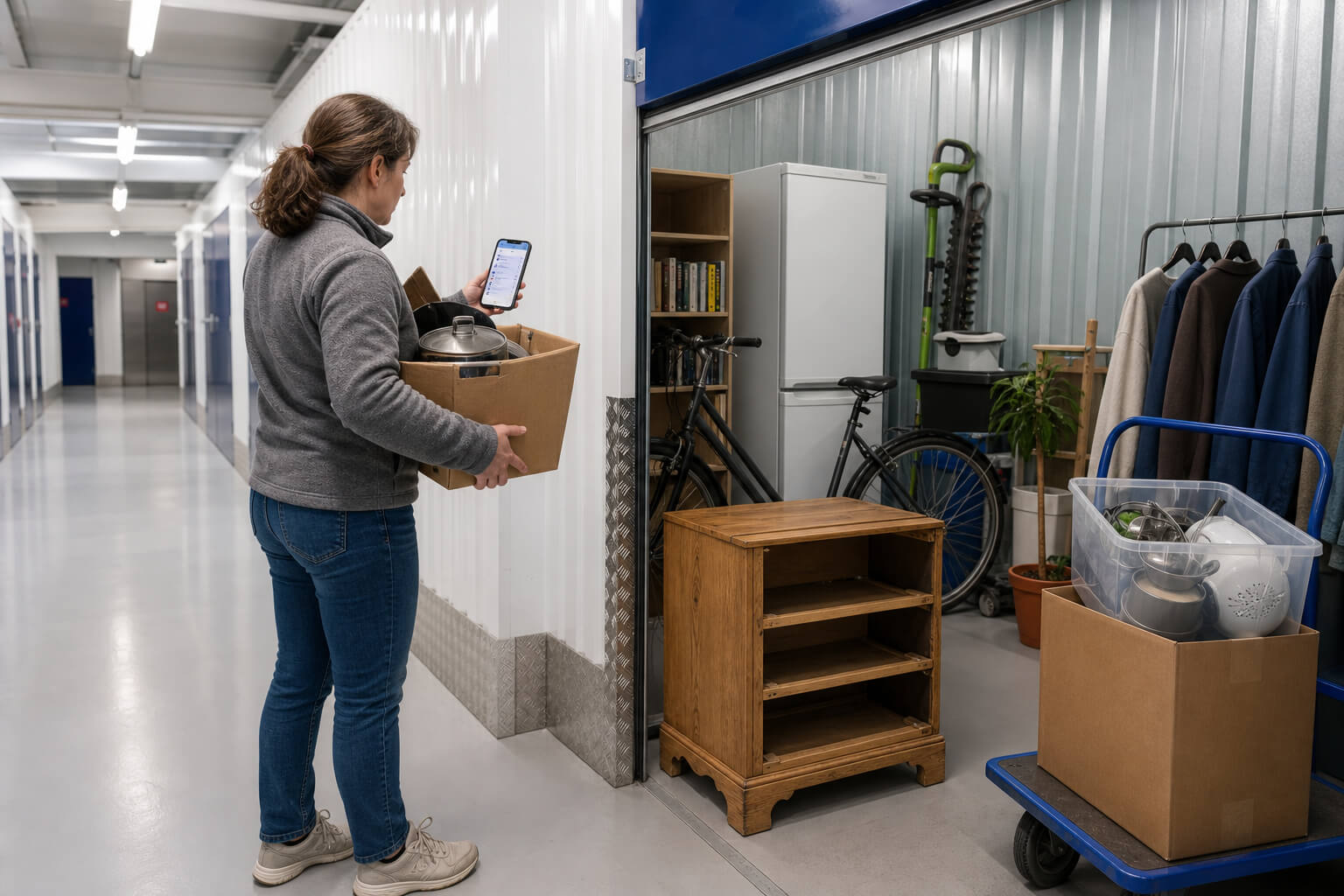
Leave the bindings alone, store the skis in a neutral position rather than clamped together, keep them somewhere cool, dry and dark, and give the bases a thick coat of wax you don’t scrape off until next season. That is the whole routine, and it takes about ten minutes.
Cleaning and prep
Give the bases and edges a proper clean and make sure they are fully dry, no degreasers or household cleaning products needed. Once dry, apply a generous, all-temperature wax to the base and edges. The trick most people miss: don’t scrape it off. Leave the thick coat sitting there right through to your next trip, when it acts as a protective layer rather than something you ski on.
Position and the one thing to leave to a professional
Store skis and snowboards in a neutral position, not clamped tip-to-tip under tension, which is what actually causes a camber to warp or a binding to sit wrong over a long summer. As SkiButlers puts it, “modern bindings don’t need to be cranked down, and honestly, only a ski tech should be adjusting your bindings anyways.” That’s the one liability point worth being straight about in this guide: leave DIN settings and binding adjustment to a qualified ski technician rather than doing it yourself. Everything else in this section is safe to do at home.
Where not to store them
Skip the garage floor, the damp basement, the hot loft, and skip leaving them zipped inside a padded travel bag for months on end. All of those trap moisture and swing in temperature, which is exactly the combination that leads to rust on the edges and a warped camber. A cool, dry, dark spot with stable conditions is genuinely all skis and snowboards ask for.
Keeping a Bike Rust-Free and Secure Out of Season
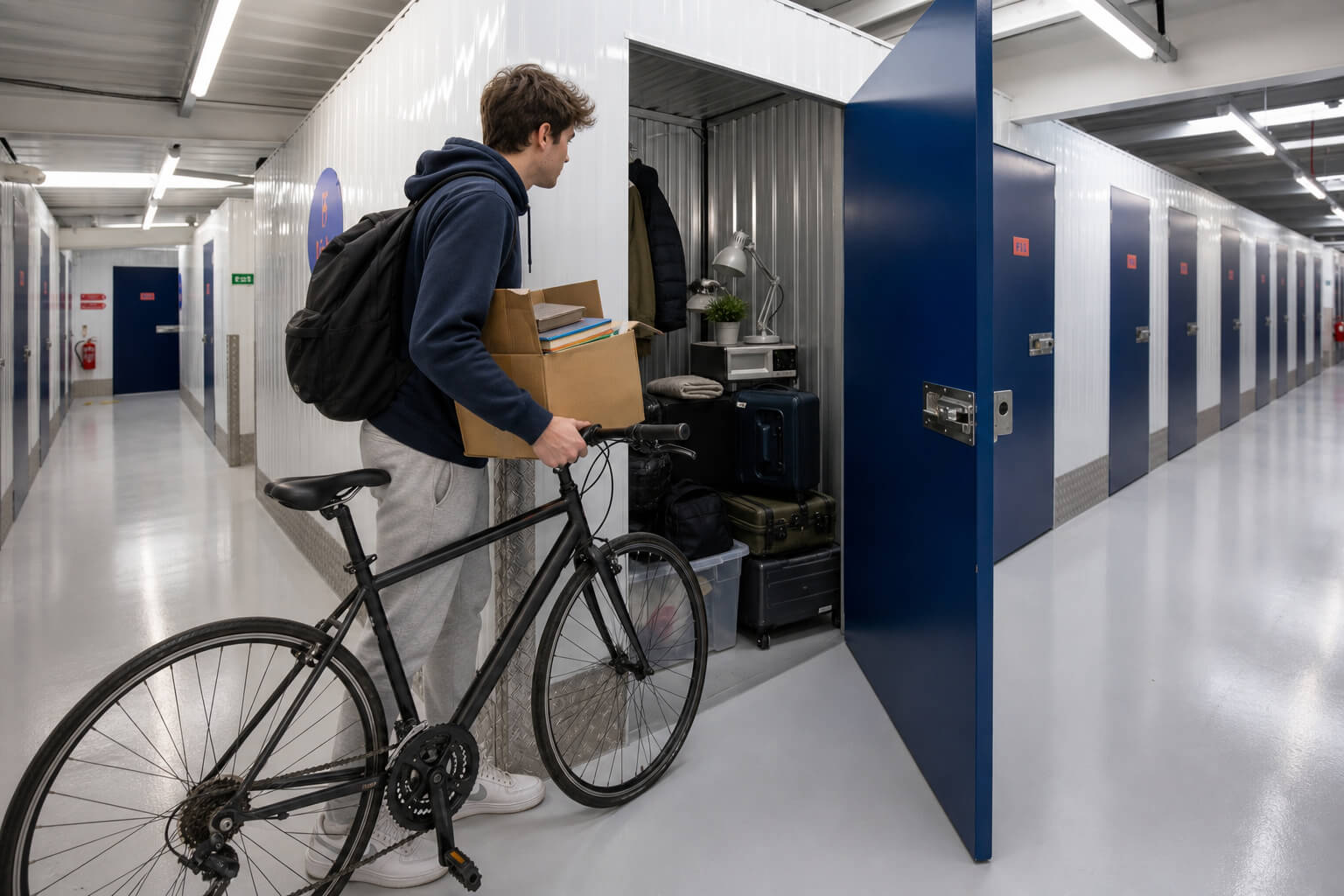
A bike stored somewhere dry and stable holds up far better over a few months than one left outdoors, and it still needs to be locked properly even while it is out of use.
Why indoor-equivalent conditions matter
Cycling UK is direct about this: bikes kept indoors are “safe, dry, warm,” while outdoor storage “is not as well protected from the elements, which will affect its long-term reliability and maintenance.” That is the whole case for anywhere dry and temperature-stable over a shed corner or an exposed lean-to, particularly if a bike is going to sit unused for several months at a stretch.
Security even when it’s “just being stored”
A locked shed or garage door on its own is not enough, according to Cycling UK, which recommends using “two different gold-standard cycle locks, one through the frame and front wheel; one through the frame and rear wheel” and to “always have it locked” wherever it’s left. That principle scales up neatly to a storage unit: a bike behind a locked unit door, on a site with smart entry and no public access to units, is that same logic applied properly rather than left to chance.
General good practice worth adding
Beyond what Cycling UK covers directly, it’s widely accepted good bike maintenance to keep tyres reasonably inflated so they don’t develop a flat spot from sitting in one position for months, and to give the frame a wipe-down so it goes into storage dry rather than damp. This is sensible general practice rather than something drawn from the Cycling UK guidance itself.
Drying, Cleaning and Storing Tents and Camping Gear

Never pack a tent away even slightly damp. Dry it completely, clean it with a non-abrasive cloth, store it flat rather than standing upright, and keep anything heavy off the top of it.
Why the drying step is non-negotiable
This is the step that gets skipped most often, usually because everyone just wants to get home. A tent packed away “just a bit damp” after a bank holiday trip and left in a garden shed over winter typically comes out the following spring with a mildew smell and black spotting that wasn’t there before. It’s an illustrative pattern rather than a specific incident, but it’s a familiar one, and it’s entirely avoidable with ten minutes of drying time before the tent goes into its bag. Millets is blunt on this point: “pitch your tent or hang it in a cool, shaded place to dry completely” before you pack it away.
Cleaning before storage
Once it’s dry, clean off dirt, mud and debris using a specialist tent cleaner and a non-abrasive cloth, on the groundsheet as well as the flysheet. Skipping this step is how ground-in dirt turns into permanent staining and weakened fabric over a long off-season.
Position and what to avoid
Store the tent flat rather than standing it upright, and don’t stack anything heavy on top, which can crush poles and distort the fabric over time. Millets also warns against “damp or hot spaces like basements or attics,” and suggests that if that’s genuinely the only space available, a sealed plastic container helps keep moisture out, though it’s a fallback rather than the ideal.
What Self Storage Actually Fixes (and What It Doesn’t)
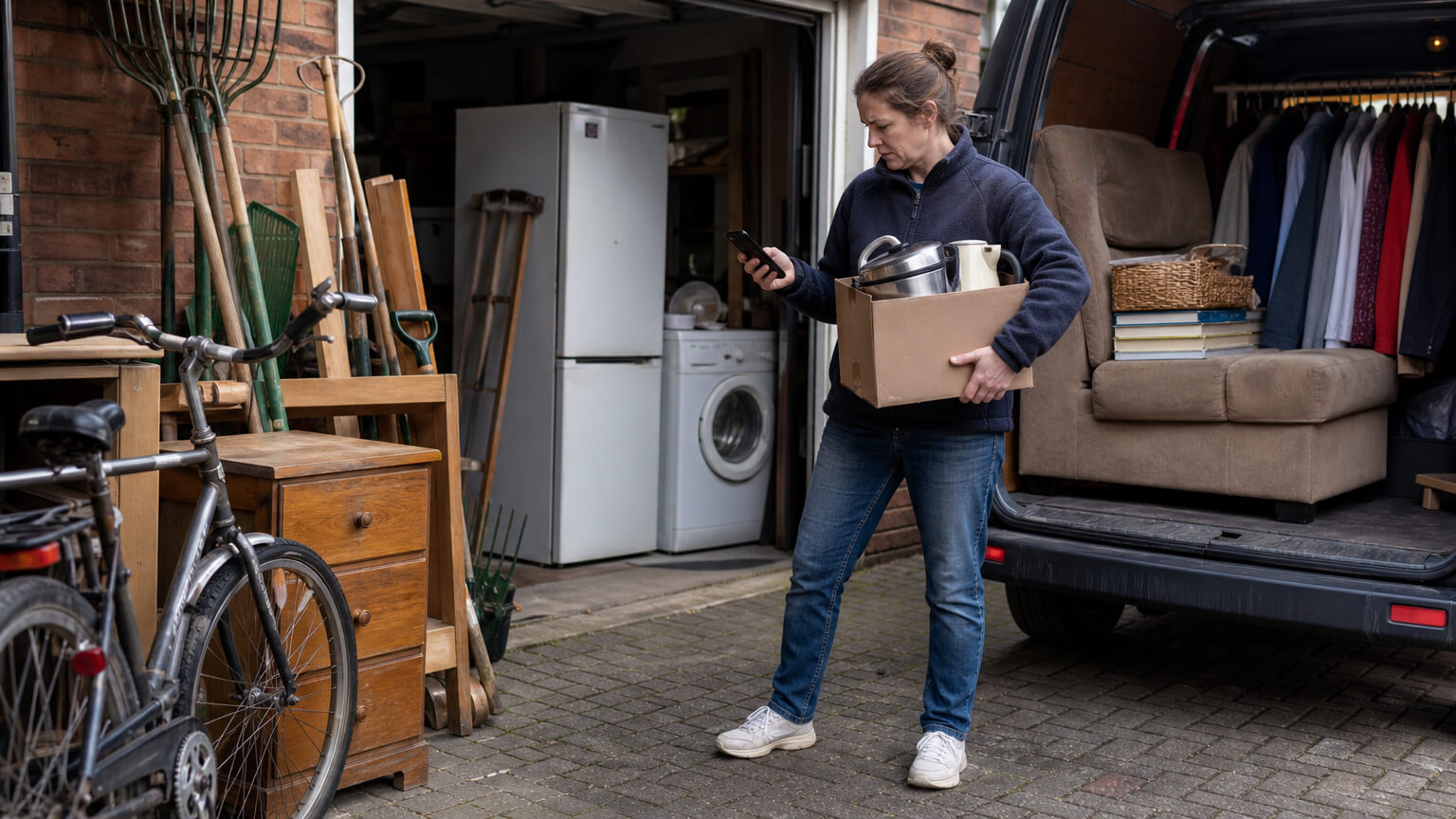
Self storage solves the one thing all three problems have in common, damp, swinging temperatures and the chance of someone helping themselves to an unlocked shed, without needing to control temperature or humidity to do it.
The honest boundary
Wigwam units are not climate-controlled, and we won’t pretend otherwise. The real claim is clean, dry and secure: a stable space out of the weather, not a unit holding a constant temperature or humidity level. That’s a meaningful difference, and it’s worth being upfront about it, because a page that admits what it doesn’t do is one you can trust on the parts it does claim. For skis, bikes and tents, clean, dry, dark and stable is exactly what all three sources above ask for, no climate control required.
The security piece that climate control could never cover anyway
Whatever your kit is stored in, damp and temperature are only half the risk, theft is the other half, and that’s true whether the bike is in a shed at home or a unit on a storage site. A Wigwam site is unmanned but built around smart entry, so units aren’t wandered past by the public, which addresses the same worry Cycling UK raises about a bike left somewhere only lightly secured.
If you’ve been storing gear in a shed that never quite feels secure enough, or a garage that’s more damp than you’d like to admit, it’s worth seeing what a proper unit would cost for the few months you actually need it. Get a quote and see how it compares to what you’re doing now.
The 60-Second Off-Season Prep Checklist
Whichever of the three you’re dealing with, here’s the whole routine reduced to one table you can screenshot before you pack anything away.
| Item | Before you store it | While it’s stored | Don’t |
|---|---|---|---|
| Skis / snowboard | Clean and fully dry (no degreaser); apply a thick coat of all-temperature wax to base and edges, don’t scrape it off | Store upright/neutral, tails off bare concrete (use a mat or board), cool, dry and dark | Don’t crank or loosen binding DIN yourself; don’t leave in a hot attic, damp garage or unventilated bag |
| Bike | Wipe frame and drivetrain dry; keep tyres reasonably inflated | Store upright, ideally off the ground; lock it even in storage (two locks: frame+front wheel, frame+rear wheel) | Don’t leave it outdoors uncovered; don’t rely on a shed/garage door alone as security |
| Tent / camping kit | Pitch or hang to dry completely; clean fabric and groundsheet with a non-abrasive cloth | Store flat, not standing; nothing heavy stacked on top; cool, dry, dark | Don’t pack away even slightly damp; don’t leave in a damp basement or hot attic long-term |
Why Wigwam’s Terms Suit Seasonal, Swap-In-Swap-Out Storage
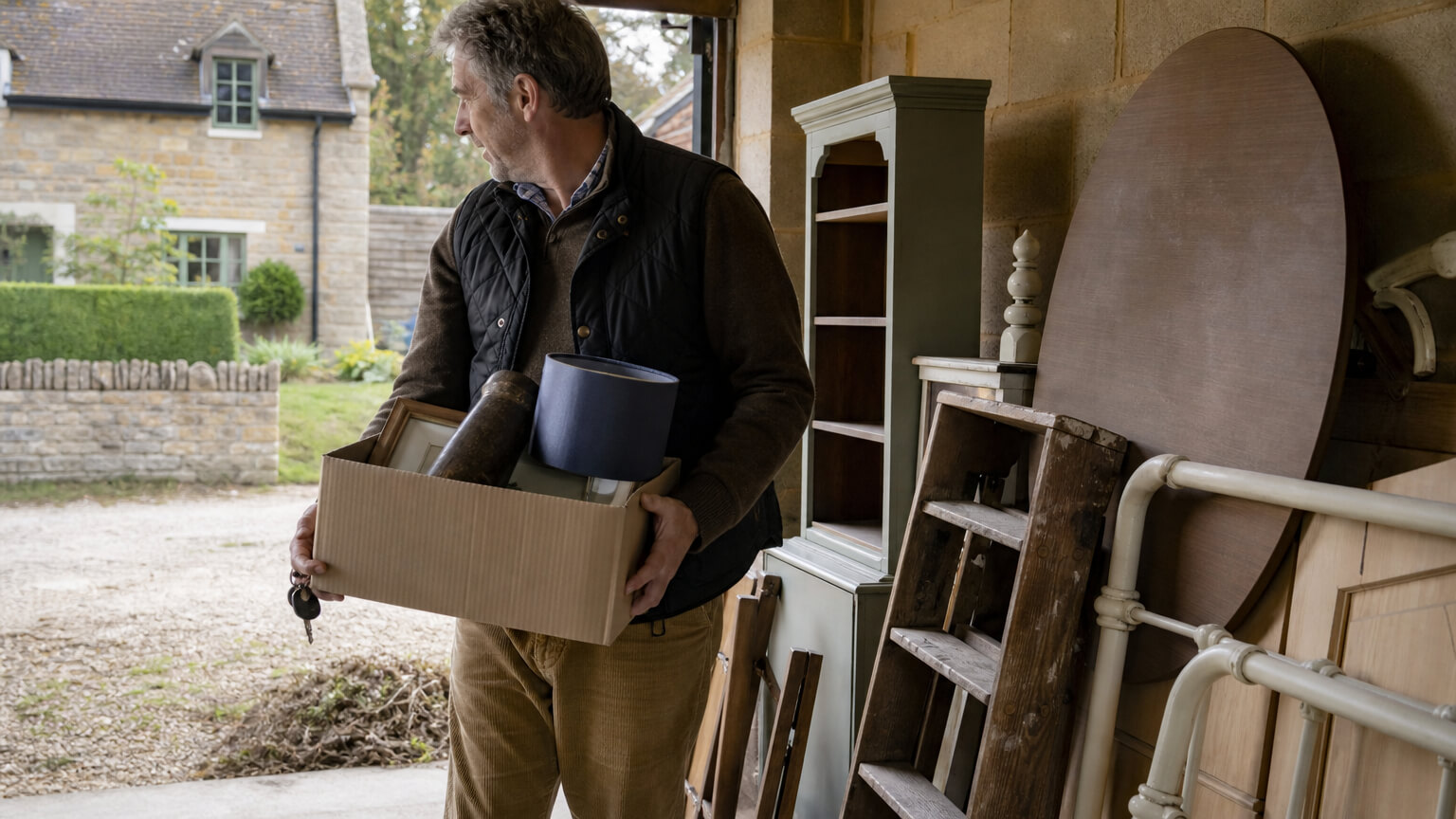
A short notice period, sensible access hours and no deposit make it straightforward to store gear for exactly as long as the off-season lasts, rather than committing to a long contract for three months of skis.
The notice period, explained precisely
Wigwam runs on a 14-day notice period to end your storage. Once that notice period has run and the unit has been checked over, any unused days are refunded. There’s no deposit to wait for, because we don’t take one. In practice it means you’re not signing up to store a bike for a year when you only actually need three or four months, spring through to the start of the next season.
Access hours for swapping kit in and out
Sites are accessible from 6am to 10pm, seven days a week, using smart entry rather than a member of staff letting you in. That covers swapping skis out for a bike, or fetching the tent back the week before a trip, without needing to fit around anyone else’s opening hours. It isn’t round-the-clock access, so it’s worth planning an evening or early morning visit rather than assuming you can turn up at 2am.
Cost structure, honestly framed
The real cost structure is your first four weeks upfront and no deposit, and the actual weekly figure depends on the location and unit size you need. Rather than quote a number here that will be out of date within months, the Wigwam self storage pricing guide keeps current, per-location figures, which is the honest place to check before you commit to anything.
Choosing the Right Unit Size (and Making the Switch)
Most seasonal-gear storage needs are modest: a small unit comfortably holds a set of skis, a bike and a full camping kit together, so this rarely calls for anything bigger than the smallest size on offer.
What actually needs the space
This is a small-unit job, not a house-clearance one. Skis, a bike and camping gear between them take up a corner of a room rather than a room in themselves, so there’s no need to over-order space “just in case.” A quick chat when you get a quote will size it properly rather than leaving you guessing.
Getting a quote and starting
The simplest way to find the right size and current cost for your area is to get a quote from Wigwam Self Storage, then move gear in once the season ends. From there, the hallway gets its floor back, the shed stops smelling of old rubber, and the skis, bike and tent all get a proper resting place until they’re needed again, rather than being wedged into whatever gap was left at home.
Frequently Asked Questions
Yes. A dry, stable unit is a better long-term home for a bike than an exposed shed or garage corner, and it should still be locked while it’s stored, the same as Cycling UK recommends for storing a bike at home.
Usually not. Skis, a bike and a full camping kit together typically fit into the smallest unit size available, since between them they take up a corner rather than a room.
No, and we won’t claim otherwise. Wigwam units are clean, dry and secure, a stable space out of the weather, but they don’t control temperature or humidity. That’s exactly the environment SkiButlers, Cycling UK and Millets all recommend for skis, bikes and tents, so climate control isn’t actually needed for any of the three.
Wigwam works on a 14-day notice period to end your storage. Any refund of unused days follows once notice has run and the unit’s been checked. There’s no deposit to come back on top.
Access runs from 6am to 10pm, seven days a week, using smart entry rather than staffed hours. It isn’t 24-hour access, so it’s worth timing a visit within that window rather than assuming late-night or overnight access.
Wigwam doesn’t offer vehicle storage, so caravans, motorhomes, classic cars, motorbikes and boats are out of scope. Skis, bikes, tents and general camping and outdoor kit are exactly the sort of thing self storage is built for.