Gone paperless — but what about the box you’re not allowed to shred?
Going paperless mostly works. The filing cabinet is gone, the spare room is yours again, and everything you need is searchable on a screen. It is a genuine victory. But somewhere near the end of the project, you find the box. The documents you scanned but could not delete. The ones the law says you keep. The ones where losing the original would not just be inconvenient – it would be a problem.
Most people do not plan for the box. They do not know what to do with it, or where it should live now that the cabinet is gone. This piece is the calm, plain answer to that question.
The box you could not scan away
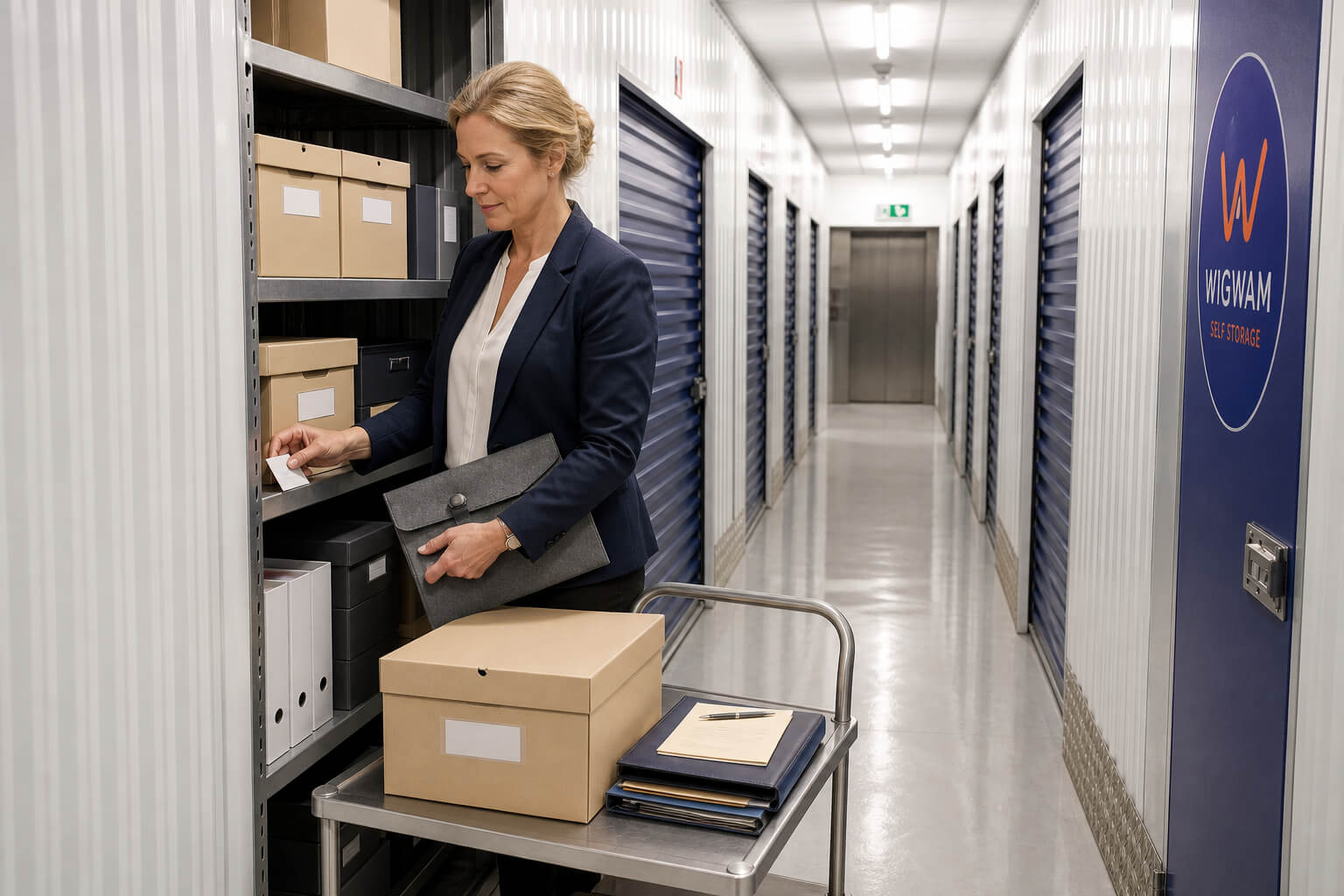
Every paperless project produces a residue. That is not a failure. It is the nature of the exercise. You scanned and shredded the vast majority. What remains is a short list of documents that must stay physical, and a smaller stack of records that must stay within reach until a legal or regulatory clock runs down. Knowing which is which makes the whole thing manageable.
Why scanning is not the same as copying
A scan is evidence. It is useful, searchable, shareable, and good enough for most purposes. But a scan is not the original, and some documents carry legal weight that a JPEG or PDF simply cannot.
Birth certificates, marriage certificates, property deeds, wills, and signed legal agreements are in this category. Courts and institutions may still require the physical original to be produced. If you lose the scan, you can reconstruct it from the original. If you lose the original and it was the only proof, the situation is different. The scan is a backup. The original is the document.
The documents the law says you keep
For regulated practices – solicitors, accountants, financial advisers, GP surgeries, dental practices – document retention is not a choice. Professional regulators set minimum retention windows that vary by practice type, document category, and the nature of the client relationship. HMRC sets retention obligations for business and tax records (generally six years for VAT, company and self-assessment purposes, though the specific windows vary). The ICO sets retention expectations for personal data.
This article does not give retention advice. The right route is your professional body, a specialist records management consultant, and for Scotland or Northern Ireland specifically, your solicitor – because retention obligations and regulatory requirements differ between jurisdictions. England and Wales are the reference jurisdiction here; Scotland and Northern Ireland have their own frameworks.
What this piece can say plainly: if you are a practice manager, you almost certainly have a retention obligation that extends beyond your own paperless project. The residue box is not optional.
What you can safely scan and shred
Here is the good news. The majority of what was in the cabinet does not need to survive physically. Bank statements older than the HMRC window, utility bills, insurance renewal letters, routine correspondence, general invoices once reconciled – once you have a reliable scan and the relevant retention period is clear, most of this can go. Narrow the residue box as tightly as the law and common sense allow. It should feel small. If it feels large, you may be over-keeping.
Your four options, honestly compared

The reader at this stage is weighing their options. Each one suits a different situation. Here they are, plainly.
A home safe
For a handful of personal originals – a passport, a marriage certificate, the deeds to one property – a home safe is a reasonable answer. Modern fire-rated safes offer reasonable protection against a house fire, and a good one will keep your most important documents secure. The limits are obvious: a home safe is small. A practice with years of client records inside a retention window cannot fit them in a domestic safe, and even a household with a larger residue may find the safe fills quickly. If your box is genuinely small and you are comfortable with the physical security of your home, a safe is worth considering. If the box is bigger, or the documents are professionally significant, it is probably not enough.
A managed off-site records service
Managed records companies – the kind that send a van, index your boxes, and give you a reference number – are the right answer for large archives. They will collect your records, catalog them to a barcode level, and return specific files on request, usually within a working day and usually for a retrieval fee. For a GP surgery with decades of patient notes or a law firm with thousands of client files, this is a serious and appropriate solution. For a small practice with a single box of records-in-window, or a household with the “keep forever” envelope, it is probably more process and more cost than the situation warrants. You also hand control to a third party. Retrieving a single document means making a request, waiting, and in some cases paying for the retrieval. If you need something on a Tuesday afternoon, that matters.
A private self storage unit
A private self storage unit sits in the honest middle. You rent the unit, you hold the key (or the smart entry access), and you come and go as you need. Nothing is indexed by a third party. Nobody else handles your documents. When you need a file, you go and get it yourself. For a small practice’s residue, or for the household box of irreplaceable originals, this is the solution that gives you security, retrievability and control at a cost that fits the scale of the problem. It is not a managed service. It is your space, for your documents, on your terms.
Digital-only (and why the originals still need a physical home)
For documents where a scan is legally sufficient and the original is replaceable, digital-only is genuinely fine. If the document is a routine invoice, a utility letter, or a piece of correspondence where the content matters and not the physical object, a reliable backup of the scan is all you need. For birth certificates, property deeds, signed contracts and original wills, it is not sufficient. Hard drives fail. Cloud providers change terms, merge, or close. A single point of digital failure is not a records strategy for documents you cannot replace.
What a Wigwam unit actually is (and what it is not)

A Wigwam unit is a clean, dry and secure, individually alarmed space that you and only you access. That is the plain description, and the honest one.
Individually alarmed, clean, dry and secure
Each unit has its own alarm. It is not a shared floor monitored by general CCTV (although the sites are monitored). If your unit is accessed without authorisation, the alarm responds to that specific unit. The units are clean and dry. We maintain the sites to a standard where a box of paper documents will not sit in damp or grime.
We do not offer climate control. If you are storing highly sensitive archival material that requires a regulated temperature or humidity range – museum-grade documents, heat-sensitive media, that kind of thing – a Wigwam unit is not the right answer and we will tell you so. For the typical box of originals from a household or small practice, clean, dry and secure is exactly what the documents need.
Access on your terms
Smart entry gives you access from 6am to 10pm, seven days a week. You do not need to book in advance, call ahead, or wait for staff. You come when you need to, go to your unit, find what you came for, and leave. Our sites are unmanned. That is not a limitation – it is the nature of a self storage operation. You access your own space. If you expect a courier or delivery to your unit, someone from your side needs to be present. We do not sign for deliveries and we do not handle items on customers’ behalf.
Access is 6am to 10pm. It is not 24-hour. We say that plainly because the distinction matters.
Not a managed records service
Wigwam does not index your documents, handle your files, retrieve specific records on request, or advise on what you should keep. Our team – Selina and the team at each location – can help you choose the right unit size, explain the terms, and get a quote sorted. They are good at that and genuinely helpful. But they will not open your boxes, discuss the contents, or offer any guidance on records management or compliance. That boundary is firm. Your documents are yours. The unit is ours. Those are two separate things.
Ready to find a unit for your box of originals? Get a size and price at quote.wigwamstorage.co.uk – no commitment required.
You need less space than you think

The word “storage” can make people imagine a warehouse. A box of originals from a household is not a warehouse problem.
How much does a box of originals actually take up?
A single archive box of A4 documents is roughly the size of a shoebox, perhaps a little taller. The smallest self storage unit can hold that alongside other items with room to spare. A small practice’s residue – say, a year or two of in-window records plus a handful of signed originals – might fill two or three boxes at most. That is still the smaller end of the unit-size range. You are not renting a room. You are renting a space the right size for the box.
For a precise recommendation, the quote tool at quote.wigwamstorage.co.uk will give you a size and a price for your specific situation. We do not publish standard rates on this page because the right unit depends on what you have; the quote takes two minutes and there is no commitment.
Keeping it organised so you can find one document fast
A self storage unit only works for documents if you can find the one you need quickly. Some plain suggestions. Label each box by year and category on all four sides, not just the top – when boxes are stacked, the top label disappears. A small index card taped to the outside of each box listing the contents by document type takes five minutes to write and will save considerably more than that when you need to retrieve a specific file. A fireproof document wallet inside the unit for the single most important originals – the deeds, the will, the certificates – adds a layer of protection that costs very little. Nothing here requires Wigwam to do anything. This is your organisation, in your space. Keep it simple enough that you can find what you need in two minutes.
What it costs and how the terms work
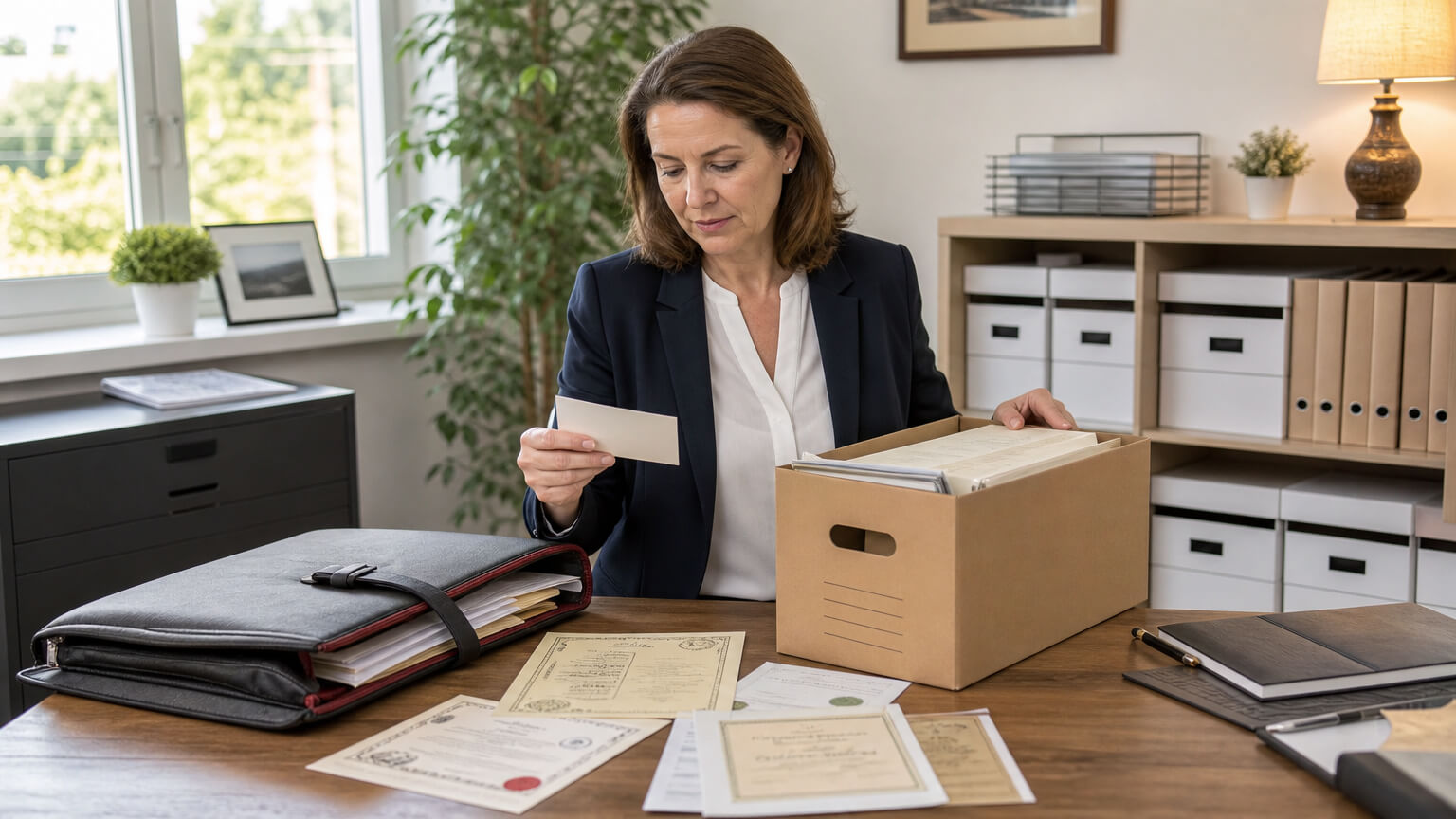
The unit cost for a small document-storage space is at the more affordable end of the self storage range. We do not quote prices on this page because rates vary by location and unit size, and a live quote is more useful than a number that may have changed. Current pricing is at wigwamstorage.co.uk/how-much-is-self-storage-in-the-uk.
Notice period and minimum stay
The minimum stay is two weeks. If you need to leave earlier than planned, unused days are refunded.
There is no deposit at the start of the agreement. A notice period of 14 days applies when you leave, and any unused days are refunded once you have vacated the unit and the account is settled, less anything owed. A deposit is standard elsewhere in self storage; we simply don’t take one.
Full terms are at wigwamstorage.co.uk/terms-conditions/.
Want a size and price for your documents? Get a quote at quote.wigwamstorage.co.uk – no obligation, takes two minutes.
A note on insuring what you store
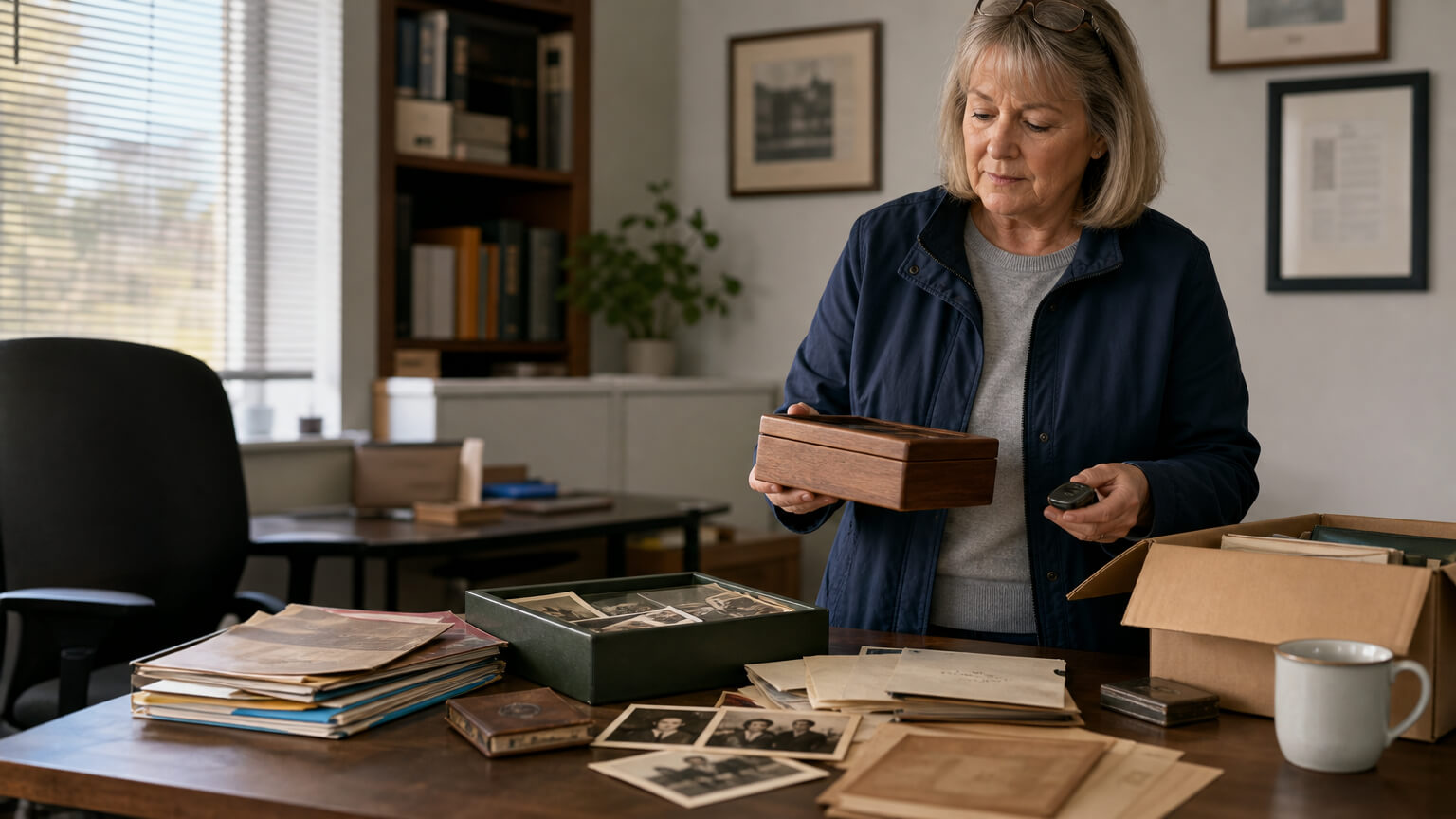
Contents cover is required when you store with Wigwam. You can take our RSA Self Storage Customers’ Goods policy or provide evidence of your own equivalent cover. Either is fine. What matters is that you are covered and that you declare the full replacement value of what you are storing.
Under-insurance is settled proportionally. If you declare half the value and make a claim, you recover half of what you lose. For a box of standard office documents, replacement value is straightforward. For original legal documents, deeds or certificates that have an irreplaceable character beyond any monetary figure, think carefully about what you declare and speak to your insurer about how they would handle a loss.
This is a signpost, not insurance advice. Details of the Wigwam contents protection option are at wigwamstorage.co.uk/contents-protection/.
A note on jurisdiction: Professional records retention obligations and the insurance requirements for regulated practices storing client records differ between England and Wales, Scotland and Northern Ireland. The guidance on this page reflects England and Wales. If you are based in Scotland or Northern Ireland, or if you are storing records under a regulated practice’s obligations, speak to your solicitor or professional body for jurisdiction-specific guidance.
Find a Wigwam unit near you
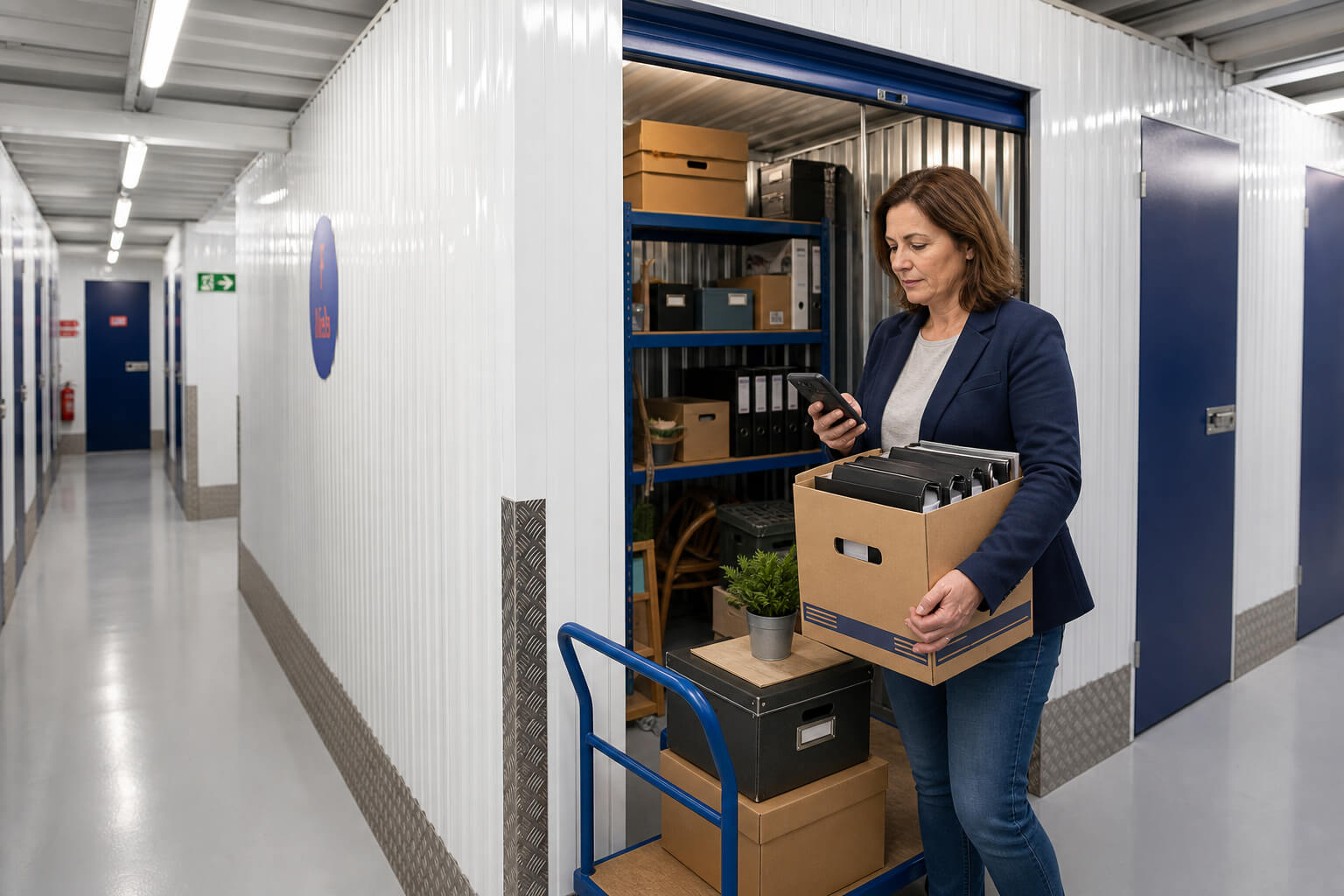
Wigwam has units across our UK market-town locations. For the paperless household or small practice with a box of originals that needs a secure, retrievable home, our locations are designed for exactly this: close enough to reach when you need something, small enough not to feel like a logistics project.
Wigwam Self Storage Bath and Wigwam Self Storage Lincoln are two examples. For a full list of our locations across the UK, see wigwamstorage.co.uk/self-storage-locations/.
When to speak to someone first
You do not have to work this out alone. Selina and the team at each location can help you think through the unit size you need, talk through the terms, and get a quote ready. They are the right people to call about the practical side of renting a unit.
There are things they cannot help with. They will not advise on which documents you are required to keep, how long your retention obligations run, or what your records-in-storage insurance should cover from a compliance perspective. Those questions belong to your solicitor, your professional body, or a specialist records management consultant. A Wigwam unit is the physical home for your box. The compliance decisions are yours.
If you are a practice manager and you have questions about compliant records handling that go beyond where to put the boxes, your professional body is the right starting point. Wigwam handles the storage side. You handle the rest. That is an honest division of responsibilities, and it is the right one.
Frequently Asked Questions
It can form part of a compliant approach, but the unit alone does not make you compliant, and the responsibility stays with you as the data controller. This is genuinely your area, not ours, so treat what follows as a plain orientation rather than advice. Wigwam provides a clean, dry, individually alarmed and secure space that only you access. We do not open your boxes, index them, or handle the contents. What that gives you is physical security and access control, which are part of the “appropriate technical and organisational measures” data protection law expects you to apply to personal data.
What the unit does not do is the rest of the job, and that part is yours. You remain responsible for deciding what you keep and for how long, for keeping records sensibly organised, for limiting who has access to the unit, and for being able to find and, if necessary, securely destroy specific records when a retention period ends or a subject access request lands. Because the site is unmanned and self-access, you should think about who in your practice holds access credentials and keep that list tight. The ICO sets the expectations for personal data in England and Wales, and your professional body may layer further requirements on top. For anything touching how you must handle client data, including whether off-site storage suits your particular obligations, speak to your data protection adviser or professional body. Wigwam’s honest role is the secure room. The compliance decisions about what goes in it, who reaches it, and when it leaves are decisions only you can make.
Answer first: label every box on all four sides and keep a simple index, because the unit only works for documents if a single file can be found in a couple of minutes rather than by unpacking the lot. The smallest effort at packing time saves the most frustration later, usually at exactly the moment you are in a hurry.
A workable system looks like this:
- Label every side of the box, by year and category, not just the top. When boxes are stacked, the top label is the one you cannot see.
- Tape an index card to the outside of each box listing what is inside by document type. Five minutes per box, and it tells you which one to pull without opening any.
- Keep a master list on your phone or in a notes file: box number, contents, rough date range. That is your catalogue, and it lives with you, not in the unit.
- Put the irreplaceable originals together, in a fireproof document wallet inside the unit, so the deeds, the will and the certificates are in one known place rather than scattered.
- Store in date order where you can, so the box you need for a given year is easy to locate on the shelf.
None of this asks Wigwam to do anything, because we do not index or retrieve files; this is your organisation in your own space. The reward is real. When a solicitor, an auditor or a family member needs a specific document, you walk in during access hours, go straight to the right box, and walk out. Keep the system simple enough that you will actually maintain it, and it holds up over years rather than months.
Yes. Storing an original document in a self storage unit does not affect its legal validity. A birth certificate, a property deed, a signed contract or an original will is exactly as valid after a spell in storage as it was in your filing cabinet, provided it is the genuine original and it comes out in the same condition it went in. Where the document physically rests has no bearing on its standing; what matters is that the original itself is intact and produced when required.
That is precisely why the original goes into storage rather than the bin once you have scanned it. A scan is evidence, useful and searchable, but for certain documents a court or institution may still require the physical original to be produced, and a JPEG or PDF will not stand in for it. Storing the original safely keeps that option open. Two practical points protect you. First, condition matters, so keep originals in a fireproof or at least sturdy wallet within the unit, flat and dry, away from anything that could crush or mark them. Our units are clean and dry, which suits paper well, but the wrapping inside is your job. Second, only you access the unit, and the sites are unmanned, so there is no question of someone else handling or altering your documents. If you genuinely need the original for a legal matter, you collect it during access hours and produce it. Wigwam cannot advise on what a court will require, that is a question for your solicitor, but storing the original properly is what keeps it available to you.
Plan for it now, because the same security that keeps your documents safe also keeps them locked away from anyone who is not authorised. Access is by smart entry using credentials tied to the account, the site is unmanned, and Wigwam does not hold spare keys or open units for third parties. So a solicitor or executor turning up after a death cannot simply be let in, and we cannot release the contents on request. That is a deliberate protection, not an obstacle, but it means the arrangements have to be made in advance.
The sensible steps are practical ones. Make sure someone you trust knows the unit exists, where it is, and what is in it; an executor cannot deal with documents they do not know are there. Keep the account details and access arrangements somewhere your executor will find them, alongside your other affairs. Consider whether a co-signatory or nominated person on the account makes sense, and raise how that works with the support team when you set the unit up; the formal position is in the terms and conditions at wigwamstorage.co.uk/terms-conditions. What actually happens to the unit and its contents after a death is governed by your estate, your will and the executor’s authority, and that is a matter for your solicitor, not for Wigwam. We cannot advise on probate or estate administration. Our part is to keep the documents secure and to explain how access works; the legal arrangements for who can reach them, and when, sit with you and your solicitor to put in place while you can.
Yes, and for most households that is exactly how it works. A box of originals does not need a unit of its own; it sits perfectly happily alongside furniture, boxes and the rest of what you might store, provided you pack it sensibly. The unit is clean, dry and secure, which suits paper as well as it suits anything else, and a small document store often tucks into the corner of a unit you are using for other things.
The care is in the packing rather than the unit. Keep documents off the floor, in sealed, labelled boxes, so they stay clean and dry and are easy to find. Position them where heavier items cannot fall or press on them, and keep them away from anything that might leak. For the handful of irreplaceable originals, a fireproof document wallet within the box adds a sensible layer of protection at little cost. One point worth knowing on cover: contents protection is mandatory, and you declare the full replacement value of everything in the unit. For ordinary documents that value is modest, but for items with an irreplaceable character beyond their monetary worth, deeds, certificates, an original will, think about how you would actually be made whole and speak to your insurer about how a loss would be handled. That is a signpost, not insurance advice. There is no climate control, so the unit is clean and dry rather than temperature-regulated, which is right for everyday paper but not for museum-grade or heat-sensitive archival material. For the typical box of originals stored among normal household goods, a standard unit is exactly the right home.