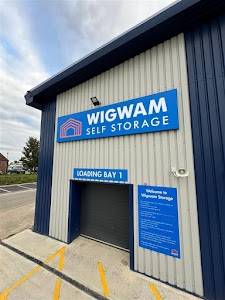
Mid-move or mid-clear-out, a box of books somewhere is the last thing you want to get wrong. Cheltenham, home to the world’s oldest literature festival since 1949 and a cluster of secondhand bookshops, has more family libraries worth storing properly than most towns, but everything here applies at any of Wigwam’s 15 locations. What actually damages books isn’t dust, it’s unstable damp and temperature.
Packing today, moving this week? Jump to the box and packing method below. Books already sat in a garage, loft or damp room? Jump to where not to store them, and check for damp before boxing. Wondering if you need climate-controlled storage? Jump to the honest answer.
What Actually Damages Stored Books (and It Isn’t Dust)
Unstable humidity and temperature, not dust or careless handling, is what actually damages books.
What the Library of Congress and New York Public Library actually say
The New York Public Library recommends room temperature, around 70 degrees, cooler if possible, with a moderate, stable relative humidity around 40-50%. The Library of Congress gives a similar range, a cool and relatively dry environment, and warns against poorly insulated spaces like basements, attics or garages.
Why “climate-controlled storage” isn’t quite the honest answer
Neither source says the fix is buying climate control. Both describe what makes a stable room safe, and the enemy is fluctuation and damp, not the absence of a thermostat.
Prep the Books Before They Go Anywhere Near a Box
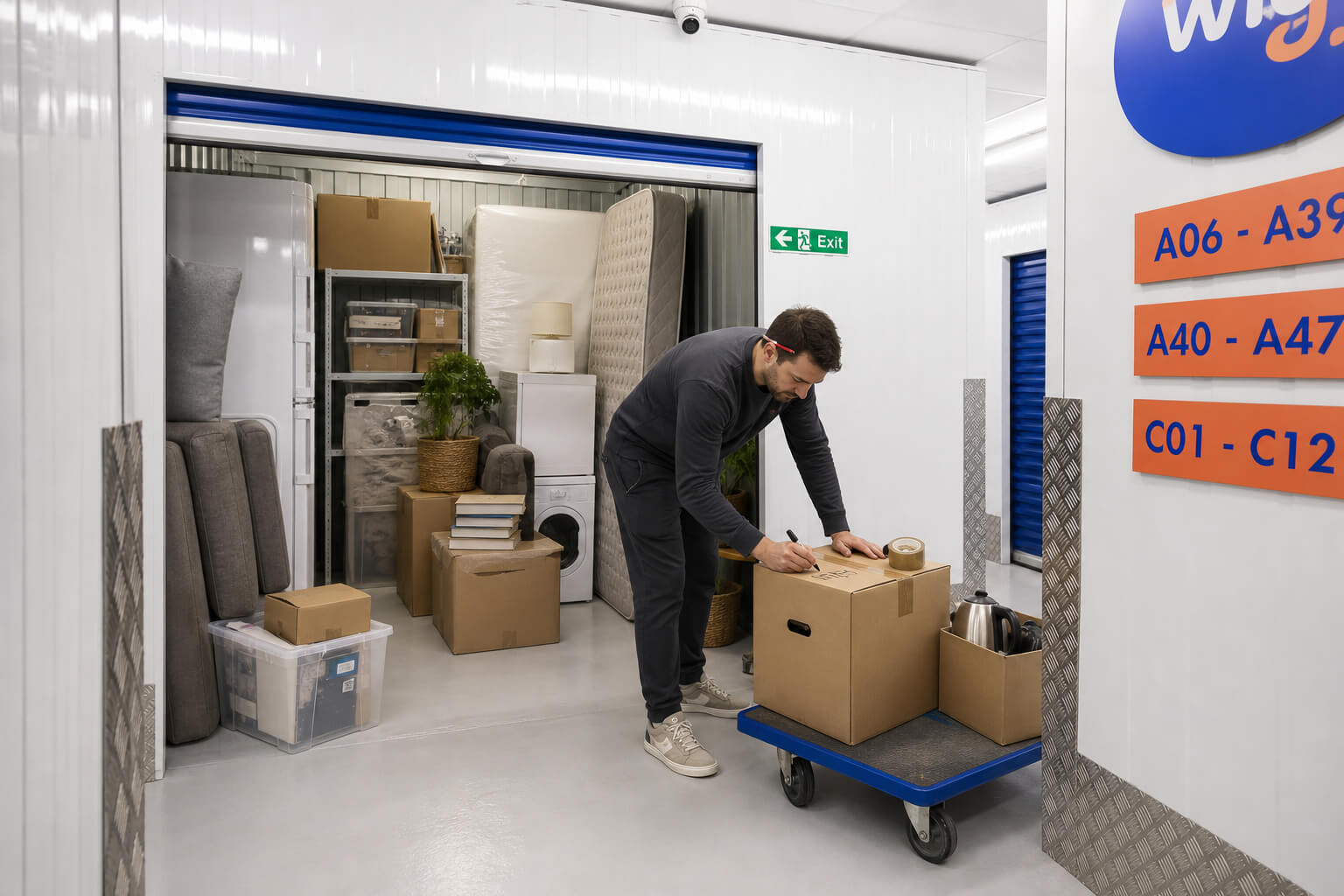
A damp book doesn’t get fixed by a dry unit, it needs to air-dry first.
The dry-check
Dust and dry-check every book before boxing. If one feels even slightly damp, let it air-dry fully before sealing it away, mould needs moisture already present.
Dusting and light cleaning, briefly
A quick dust is worth doing, but it’s the least of the real risks compared to damp and temperature swings.
What Size Box Actually Works (and Why Bigger Isn’t Safer)
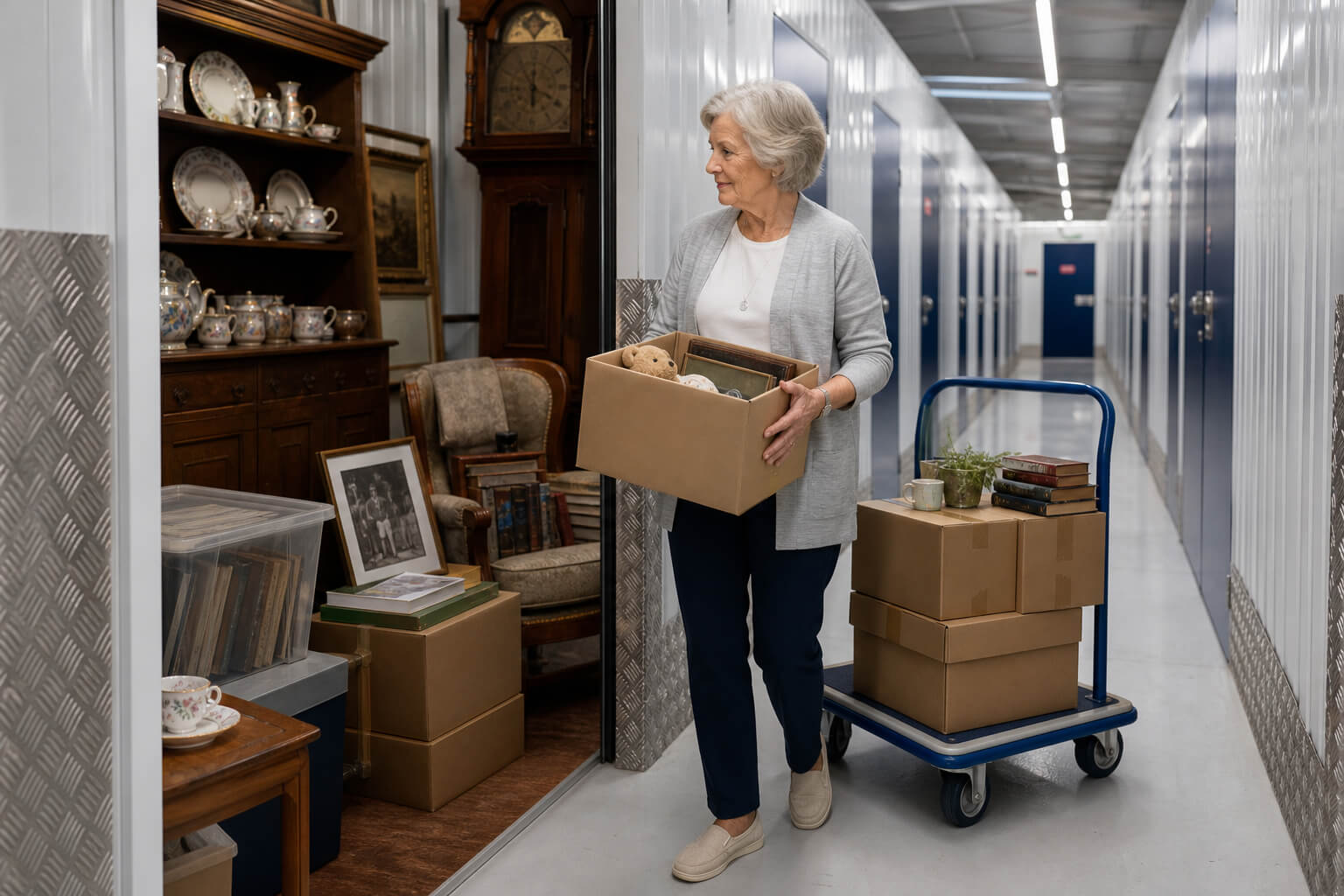
Small or medium boxes only. A large box full of hardbacks is heavy enough to injure someone and can warp the bottom layer.
Why the Medium Box is sized right for books
The Medium Box (457 x 330 x 330mm) is the size Wigwam’s own Box Shop recommends for books, kitchenware and small household items, small enough to lift safely when full.
Plastic bins vs cardboard boxes
Either works if kept dry and sealed against damp. Cardboard is what the Box Shop sells, sized right for books.
How to Actually Pack the Box

Upright, spine to the side, the way books sit on a shelf, is the right method for most books.
| Standard books | Oversized or fragile volumes | |
|---|---|---|
| Orientation | Upright, spine-side | Flat |
| Support | Bookended | On their own |
| Gap-fill | Paper, not newspaper | Nothing stacked on top |
| Where they go in the box | Mixed freely | Packed on top of the layer below |
Upright and spine-side, not flat
Never flat with weight stacked on the spines, and never resting on the page edges.
Oversized and fragile volumes need their own rules
These lie flat, on their own, never stacked under other weight.
Gap-fill with paper, never newspaper
Newspaper ink transfers onto book covers. Plain paper fills gaps without that risk.
Where Not to Store Books, Even for a Few Days Before the Unit

Garages, attics and exterior walls are exactly what the preservation guidance above warns against.
Garages and lofts
Damp, temperature swings and poor insulation make these risky even as a short-term stop before proper storage.
Why “no bookshelf” isn’t the same problem as “no stable room”
Books stored off the floor and a few inches clear of a wall, in a stable room, are fine without a shelf. The room’s stability matters more than the furniture.
Do You Need Climate-Controlled Storage for an Ordinary Collection?

No, an ordinary book collection does not need climate-controlled storage. What damages books is unstable humidity and temperature, not the absence of a thermostat. Pack books correctly and keep them in a dry, stable, secure space and you’ve covered the real risk.
What “clean, dry and secure” actually means at Wigwam
Wigwam units are clean, dry and secure, not climate-controlled, which is exactly what an ordinary book collection needs.
When you genuinely might want more than that
Rare first editions, family bibles kept for monetary or heirloom value, anything already insured separately, these are a different case. Say so honestly and speak to a specialist conservator or archival storage service rather than assuming general storage is enough.
Once you know you don’t need to pay for climate control, get a price for storage at Wigwam Self Storage Cheltenham, the same quote path works for any of the 15 locations.
What That Looks Like at Wigwam Self Storage Cheltenham
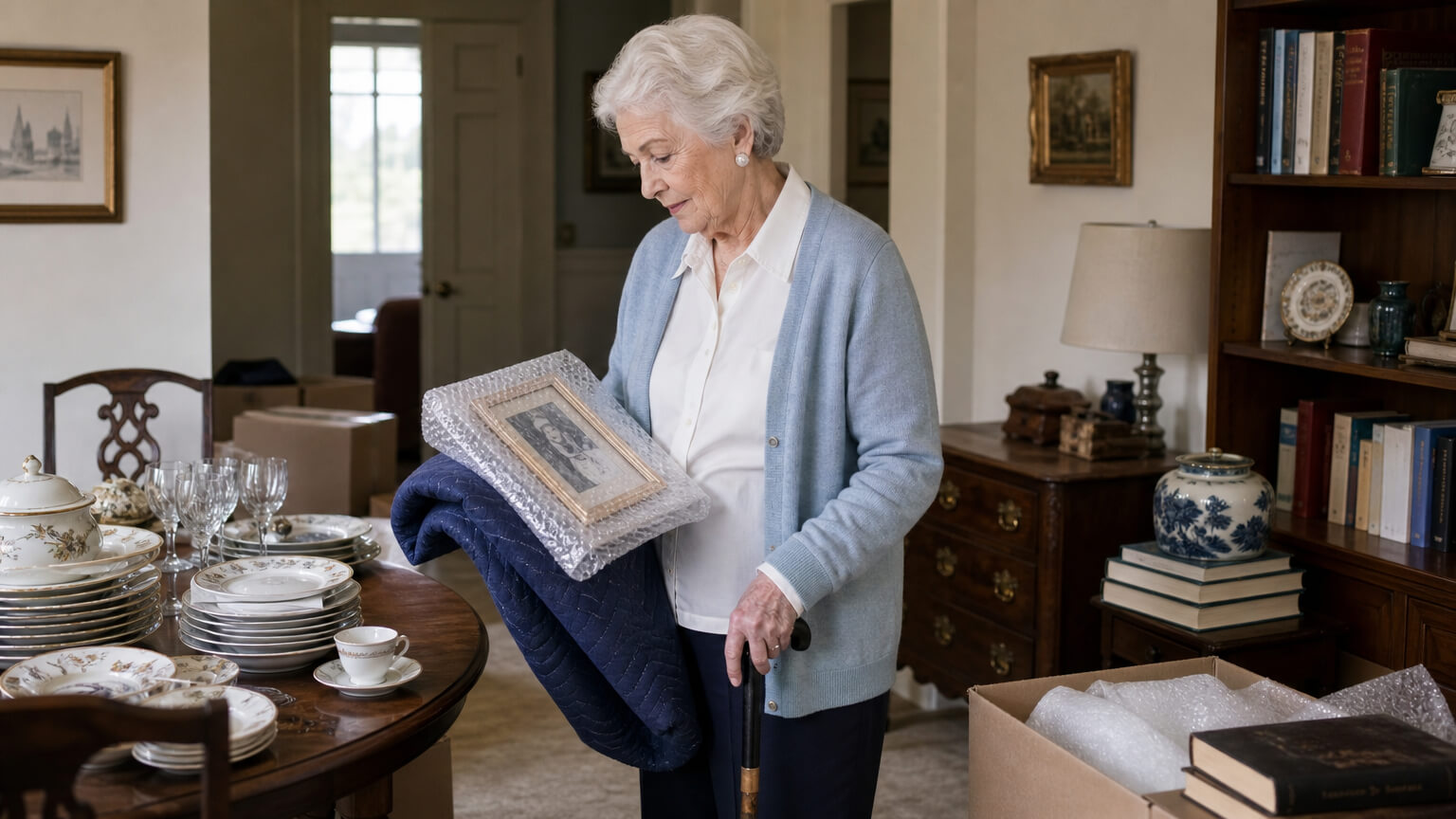
Wigwam Self Storage Cheltenham offers unlimited access 6am to 10pm, individually alarmed units, and a two-week minimum stay.
Cheltenham’s own reason to have books worth storing properly
The town’s literature festival and secondhand bookshops mean plenty of family libraries end up needing somewhere safe to go.
The same standard at any of the 15 locations
This isn’t a Cheltenham-only approach, the same terms apply across all of Wigwam’s towns.
Rare or Valuable Books, and Getting the Right Box
For genuinely rare or valuable material, a specialist is the right call, not a storage company.
When to call a specialist, not a storage company
If a book is insured separately or kept for its monetary value, get a conservator’s advice rather than assuming any general unit will do.
Getting the right boxes before you start
Don’t improvise with whatever’s lying around, use the right-sized box from the start. Shop the right size box before you begin.
Frequently Asked Questions
No, for an ordinary collection. Correct packing and a dry, stable, secure unit cover the real risk.
As long as they’re packed correctly and kept dry, there’s no fixed limit, the risk is damp and instability, not time itself.
Small or medium, never a large box, which becomes too heavy to lift safely when full of hardbacks.
For genuinely rare or valuable material, speak to a specialist conservator first rather than relying on general storage alone.