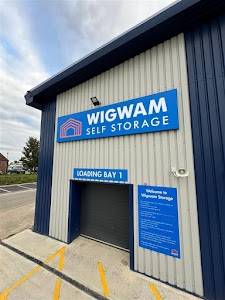
Picture two boxes in the same unit. One is a dining table waiting for the builders to finish. The other is a father’s writing desk nobody’s ready to decide about yet. Same unit, same access, completely different reason for being there.
What Actually Decides Whether Something Stays or Goes
It isn’t the item’s category or its value that decides how long it sits in a unit. It’s whether the owner still needs to use it, which resolves on its own timeline, or whether it matters to them and they haven’t decided yet, which can resolve never, and that’s fine.
Furniture That’s Between Decisions
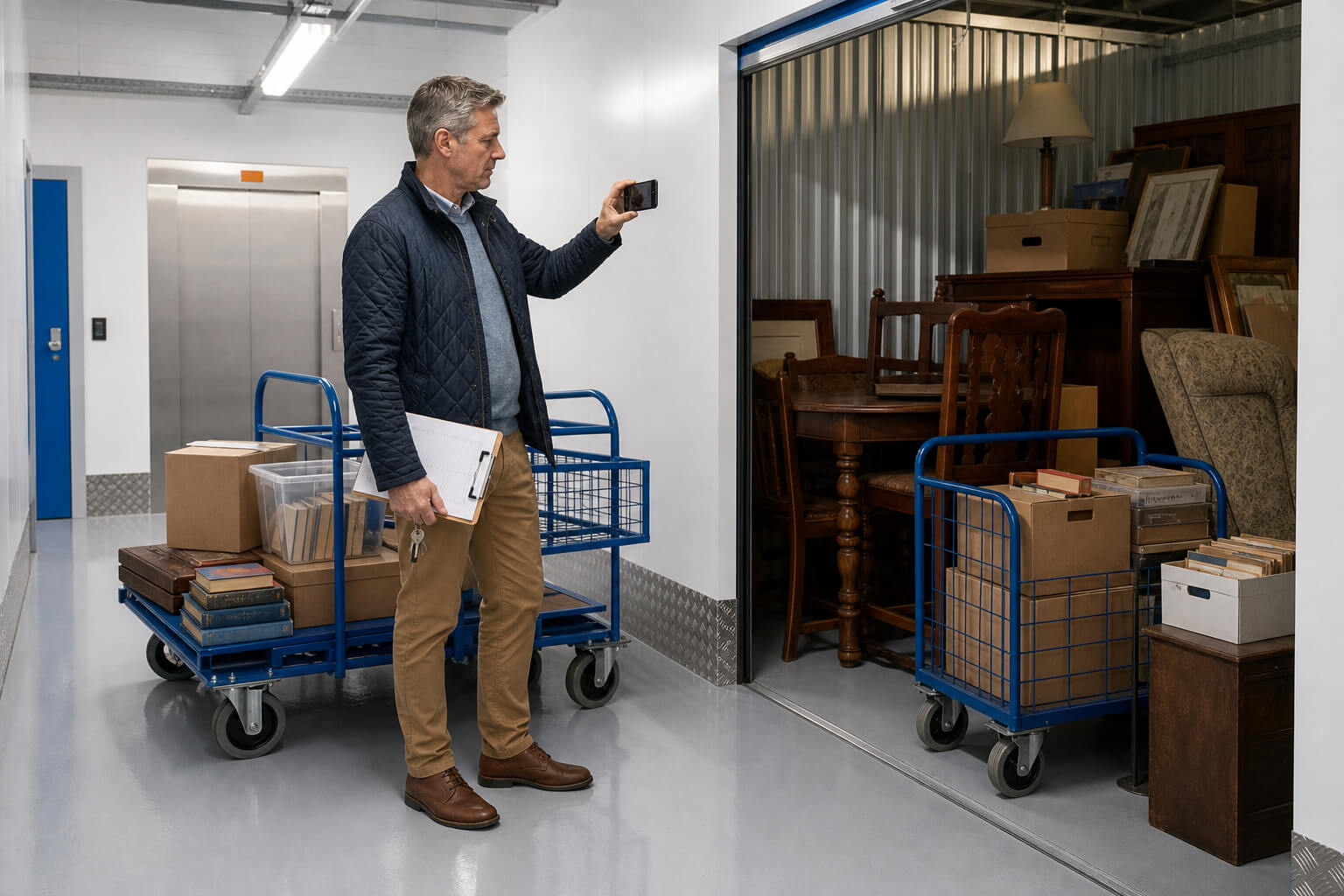
Furniture in a storage unit is almost always mid-transition, waiting for a move to finish or a renovation to complete, which is why it’s usually a short, predictable stay with a visible exit date.
Why it’s there
Moves, renovations, staging a home for sale. Someone near Wigwam Self Storage Cheltenham midway through a kitchen renovation has a dining table and boxed-up cabinets in a unit. They’re waiting for the builders to finish, and the moment the kitchen’s done, they come back out, a short stay with the exit already visible on the calendar even if the exact week keeps slipping.
Fourteen days’ notice and a refund of unused paid days means it doesn’t become an expensive parking space if the renovation drags on.
Seasonal Kit and Equipment
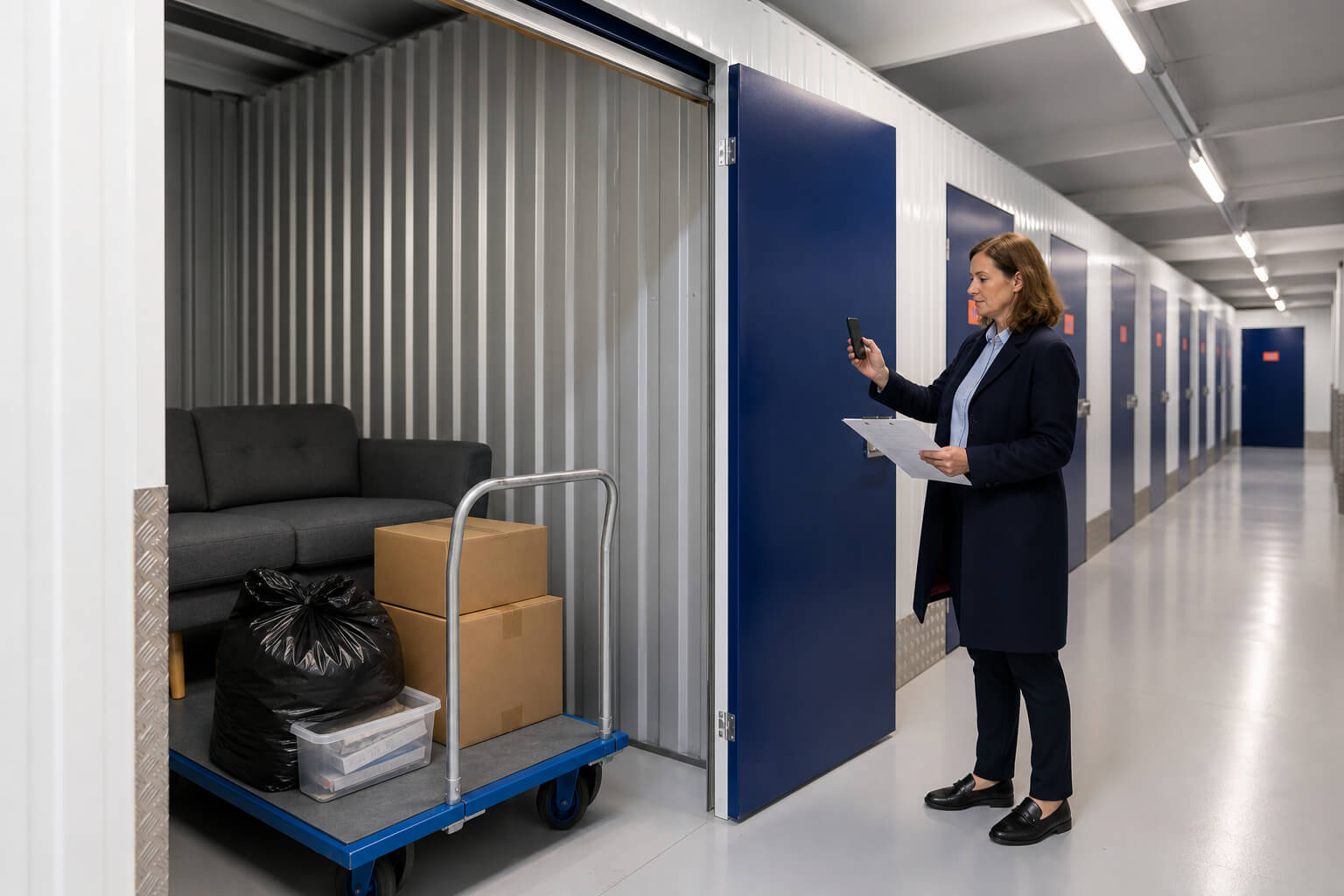
Seasonal items are a normal, predictable, cyclical use of a unit, tied to the calendar, not a life event.
Christmas decorations, camping and garden kit, off-season sports equipment, a whole unit for a few boxes isn’t overkill when the flexible minimum stay fits a cyclical need rather than an emergency one. The pattern here is opposite to the renovation example above, it’s the same items leaving and coming back on a loop, not a single item working toward one exit, and the two-week minimum means a unit taken on for a summer’s worth of camping gear doesn’t quietly turn into a year-round commitment by default.
Business Stock, Documents and Archives
For a small business, what stays in a unit and for how long is access-frequency-driven, not sentiment-driven, some stock is touched weekly, some is archived and rarely opened, and both are legitimate reasons to keep the space as long as the business needs it.
Inventory and equipment for online sellers and trades stock sit alongside documents and archives, see our document storage page for retention detail. 6am to 10pm access and individually alarmed units answer the real worry: can you get to it when you need it.
Tools and Trade Equipment
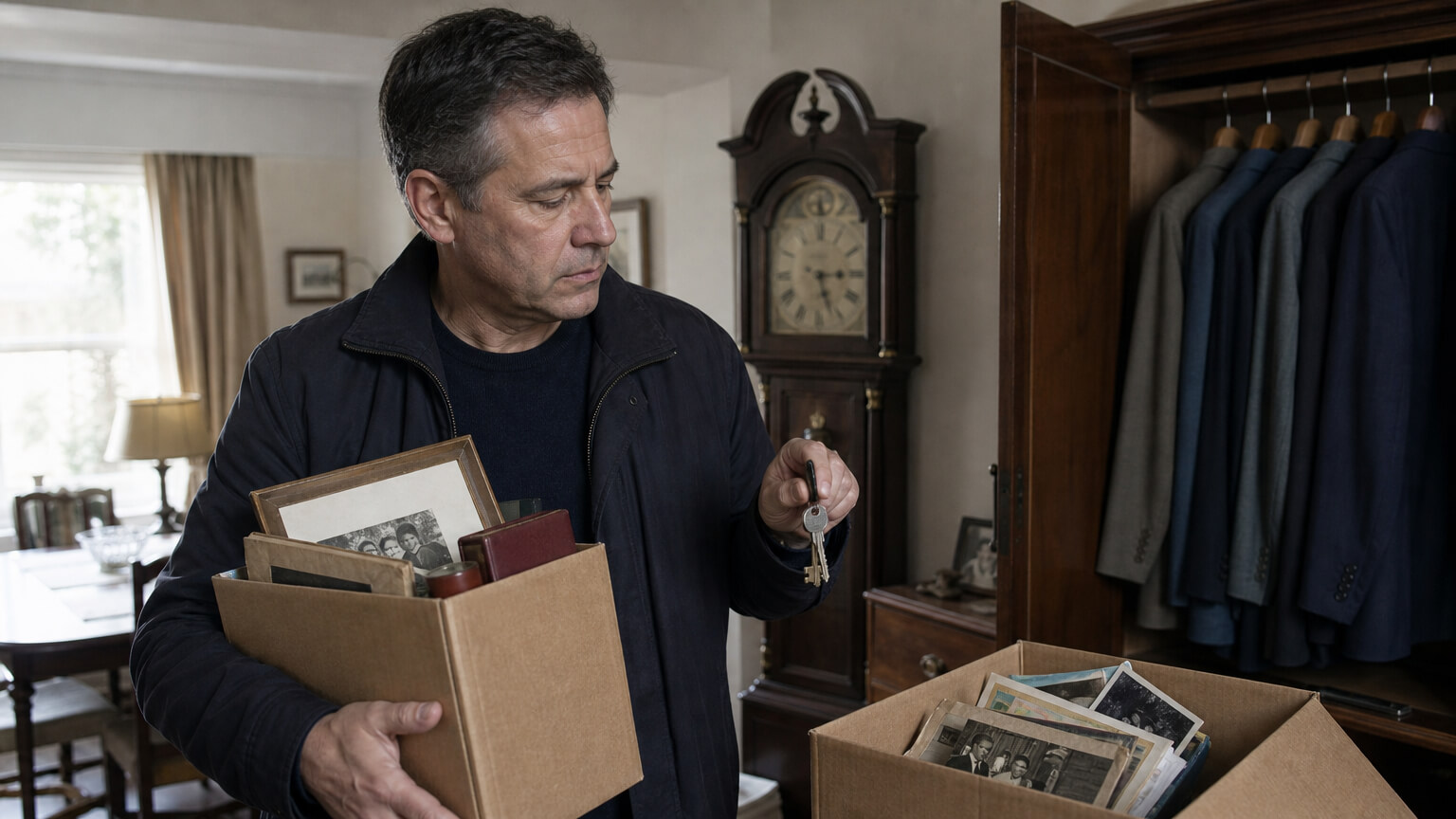
Trade tools stay in a unit for repeated, ongoing use, not because a decision is being avoided, security, not sentiment, is the real worry here.
Kept for regular access rather than indefinite storage, individually alarmed units, smart entry, and no dependence on staff being present, since sites are unmanned, answer whether it’ll actually be secure. A tradesperson visiting most weekday mornings before a job needs a facility that behaves the same way every single time, not one where access depends on whether someone happens to be on site to let them in.
See what size and price would suit your situation, get a quote.
Sentimental Keepsakes and Inherited Items
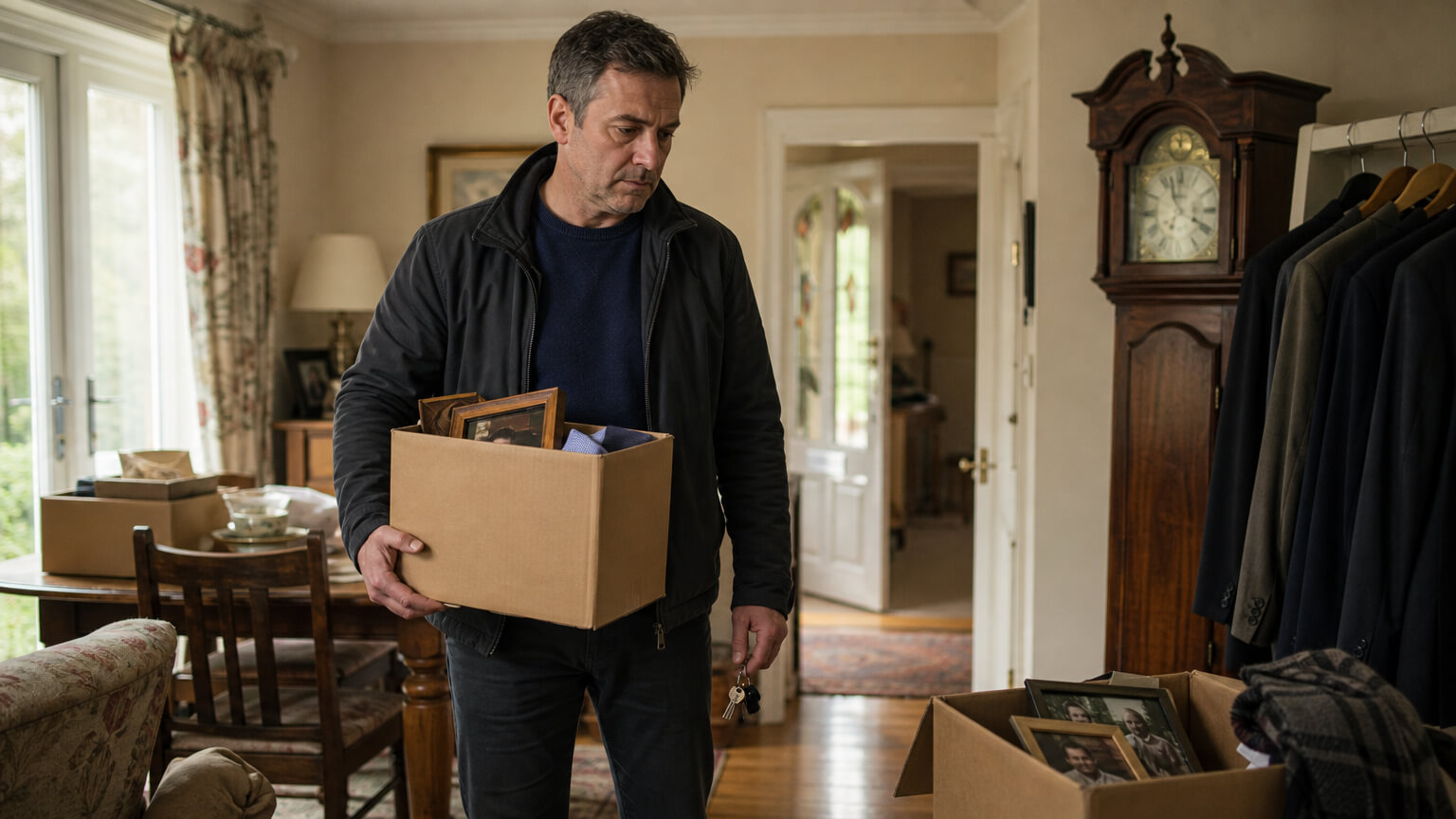
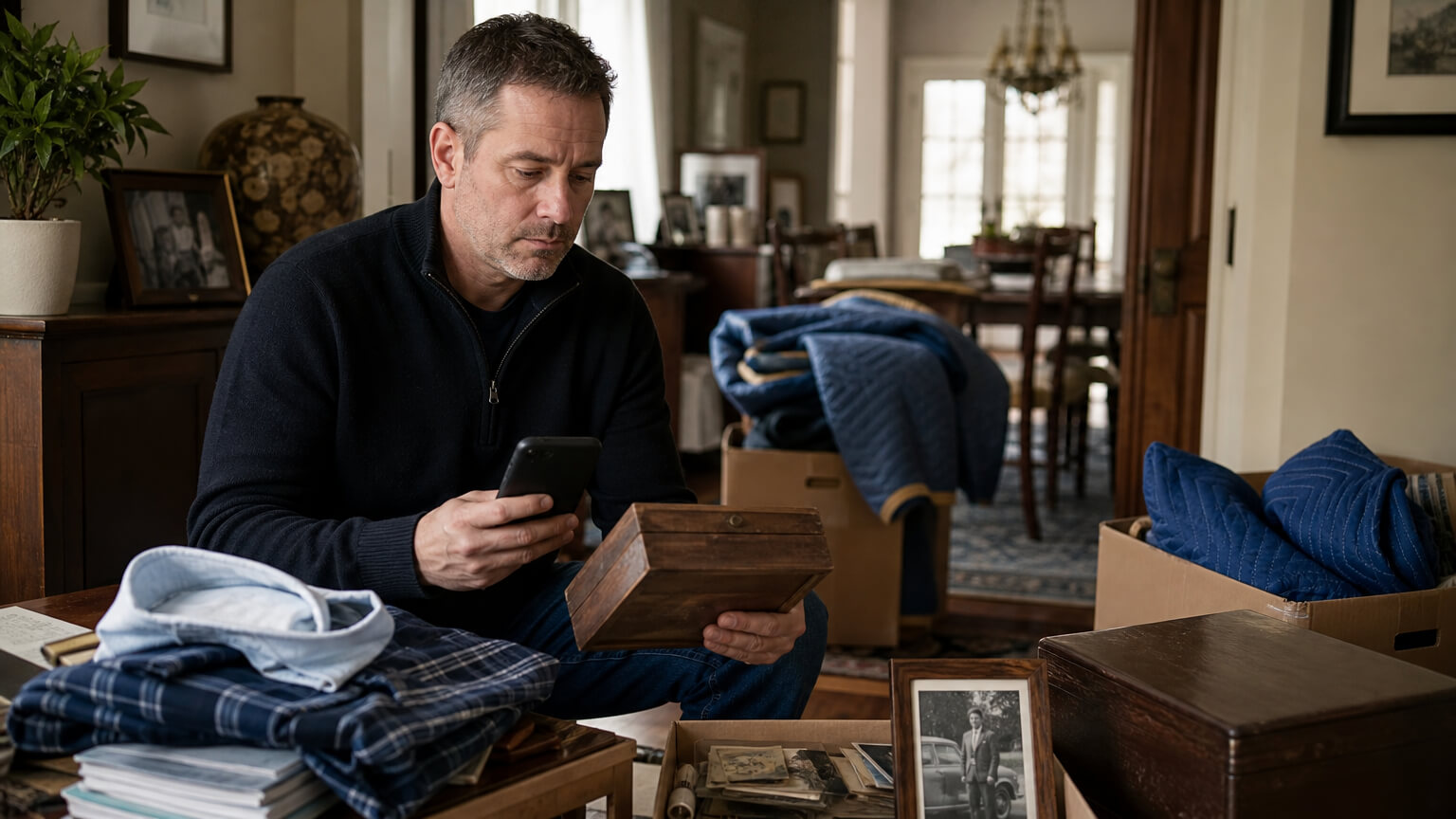
Sentimental items are disproportionately long-stay, often indefinitely, because what’s being deferred isn’t the item’s usefulness at all, it’s a decision the owner isn’t ready to make, and that’s a legitimate, common reason to use storage, not a wasteful one.
The other half of the same Cheltenham unit holds a father’s writing desk and a box of family photographs. Nobody needs the desk right now. Nobody’s decided what happens to the photographs. They aren’t waiting for a finish date, they’re waiting for a decision that doesn’t need to be rushed. It’s honest to say some things are kept because they matter, not because they’re useful, and there’s no pressure to decide before you’re ready.
Our guides on preserving keepsakes and deciding what to do with sentimental items you can’t throw away go deeper into that decision itself.
What Doesn’t Belong in a Unit
Perishables, hazardous materials, living creatures, and stolen or illegal goods don’t belong in any storage unit, and some things genuinely aren’t a fit here either, no vehicles, no climate-controlled storage. The real claim is clean, dry and secure, not climate-controlled, even for electronics and furniture. See our full prohibited items list for the complete picture.
The Honest Terms, in One Place
Whichever category applies, the terms are the same. No deposit, 14 days’ notice, a refund for any unused paid days, individually alarmed units, smart entry, and access seven days a week. Sites are unmanned, so any delivery or contractor needs someone from your own side present.
Contents insurance is required, either Wigwam’s own RSA-backed cover or your own equivalent, on a new-for-old basis. No prices are stated here, get an exact quote for your situation.
Frequently Asked Questions
Perishables, hazardous materials, living creatures, and stolen or illegal goods. See our full prohibited items list for the complete picture.
No. The real claim is clean, dry and secure.
There’s no upper limit, some things stay a few weeks, others stay for years, depending on whether you still need to use them or you’re just not ready to decide.