You’ve got the keys. That should feel like the finish line, and for about a day it does. Then you walk through the rooms properly and see what the survey only hinted at: a kitchen that needs ripping out, a rewire nobody flagged until the electrician looked properly, a damp patch that’s bigger in daylight. The excitement of completion tips into something flatter, a kind of “now what do we do with everything we own while this house isn’t fit to live in yet.” That gap is a waiting room, not a dead end. It has a shape and an end date, and it’s one most buyers in your exact position have already worked through calmly. This is how.
In a hurry? Find your situation:
- Just decorating or laying new carpets, moving in within two weeks: skip straight to what it costs and the minimum term.
- A room or two being rewired or replastered, empty most nights for weeks: go to the insurance trap and the decision table.
- Full renovation, an extension or a re-roof, the house genuinely empty for months: start with the decision table, then read the insurance section.
- Not sure how long the work will take: jump to if the renovation overruns.
Why the keys-in-hand gap happens (and why it’s not a planning failure)
Buying a home that needs work before you can actually live in it is a common, ordinary gap, not a sign that you got your move wrong. Whether it showed up in the survey or only revealed itself once the trades started pulling things apart, the practical problem is the same: your belongings need somewhere safe to sit while the house is a building site.
What this looks like in practice
For most buyers this means weeks, sometimes months, where the property isn’t liveable but is very much yours. Boxes stack in whichever room isn’t being worked on, furniture shuffles from one side of the house to the other as trades arrive, and everyone tells themselves it’s temporary. It is, and it’s disruptive enough that most people underestimate it the first time round.
Why storing things in the house itself makes it harder, not easier
It feels efficient to keep everything on site, out of the way, in whichever room isn’t currently a mess. In practice it does the opposite: it puts your belongings in the path of dust, damage and trades moving heavy tools around, and it complicates a conversation you need to have anyway, about what your insurer thinks is inside a property sitting empty.
The four buyers who hit this gap (and how the fix differs)

The right answer depends less on the house and more on how you arrived at this moment. Here’s where you probably fit.
Bought your first home and found more work than expected
Your budget was already stretched by the deposit, survey and solicitor’s fees, and now there’s a kitchen or a rewire that can’t wait. Think of storage as protecting the money you’ve already spent, not as one more unwelcome cost.
Bought a project house on purpose
You knew what you were taking on, with a budget and a builder booked, and only underestimated how long your belongings would need to sit elsewhere. You’re best placed to plan this from day one, since you already know roughly how long the work will run.
No chain, moving fast to start work immediately
You completed quickly, with no chain to wait on, to get possession and start work straight away. You’re also the buyer most likely to need the insurance answer, since your property will sit empty from the day you get the keys. Read the next section closely.
The renovation wasn’t the plan
Something turned up on completion day, or the survey flagged it late: damp, tired electrics, a boiler on its last legs. It’s easy to feel like you’ve done something wrong. You haven’t. Sorting storage and insurance now is exactly what a competent homeowner does when a house surprises them.
The insurance trap most buyers don’t know about

Completing on a house is not the same as it being insured to sit empty while it’s being renovated, and getting this wrong is the single most common way buyers in your exact situation invalidate their own cover. The practical answer: tell your insurer, before work starts, that the property will be empty and what’s being done to it. The caveat matters too: always check your own policy wording, because insurers vary in where they draw the line.
Minor works vs major works, the line insurers draw
The dividing line isn’t “renovation or no renovation” but cosmetic and minor work against major and structural work. RBS’s own guidance to homebuyers puts it plainly: “Simple painting and decorating is acceptable” under a standard policy, but insurers “may not be able to provide cover during major work that may leave the property empty for long periods and/or exposed to the elements.” Decorating, new carpets or a straightforward kitchen or bathroom swap sit on the safe side of that line; a rewire, re-roof, extension or anything leaving the building exposed to weather or empty overnight for an extended run sits on the other.
Your duty to tell your insurer before work starts
Most standard policies restrict cover once a property has been left unoccupied for a set period, commonly thirty to sixty days, though this varies by insurer, so check your own policy wording. More important than the figure is the principle: you have a duty to disclose, before work begins, that the property will be empty and what work is happening. Visiting regularly to check on the builders doesn’t automatically count as “occupied” in an insurer’s eyes. That link between what’s in the house and what you tell your insurer matters more than it sounds, more on it in the decision table below.
Why this is UK-wide practice, not a single rule
This holds broadly across England, Wales, Scotland and Northern Ireland as common market practice, not a single piece of legislation, and wording still varies insurer by insurer. Nothing here is legal or insurance advice: speak to your own insurer or broker, and your conveyancer, about your policy and property before relying on any of it.
Which row are you in? The completion-to-move-in decision table

Most buyers fall into one of four fairly clear positions, and each carries a different insurance picture and a different answer on whether belongings should go off site. This table is illustrative, not a substitute for your own insurer’s answer, so confirm the specifics against your own policy and conveyancer.
| Scenario at completion | Typical insurance position | What most buyers do about belongings |
|---|---|---|
| Minor works only (decorating, new carpets, a straightforward kitchen or bathroom swap), moving in within days to two weeks | Usually fine under a standard buildings policy; contents cover may still apply if you’re sleeping there some nights | Move most items in as normal; box up only what’s in the room being worked on |
| Moderate works (a rewire in one room, replastering, new flooring throughout), two to six weeks before move-in, property empty most nights | Standard policy may hold if under the insurer’s unoccupancy limit, commonly thirty to sixty days, but the works usually need disclosing first | Off-site self-storage for furniture and contents while rooms are cleared, keeping the property itself low-risk |
| Major or structural works (an extension, a re-roof, a full rewire or replumb, an uninhabitable property), six or more weeks, empty overnight throughout | Insurers will often want specialist unoccupied-property or renovation cover; a standard policy may be declined or heavily conditioned | Belongings go into secure self-storage for the full works period, leaving the property empty rather than half-furnished |
| Cash or no-chain purchase specifically to renovate before moving in | Same rules apply regardless of how the purchase was financed; insurers care about occupancy and works, not how you paid | Storage from day one of completion is common, since the buyer planned the gap deliberately |
Storing belongings off site keeps the disclosure conversation simple: the property is empty, here’s what work is happening. Keep furniture inside a house mid-renovation instead, and you complicate that conversation, since your insurer needs to know what’s in the property, not just whether anyone’s sleeping there. Off-site storage also removes your contents from the risks of an active building site.
Once you know which row you’re in and the insurance question has an answer, the practical next step is straightforward: get a quote for however long the work takes, with nothing locked in beyond what you need.
What to store off site, and what’s fine to leave (minor works cases)

If you’re in the minor-works row and still sleeping in the house some nights, most belongings can stay put: box up whatever’s in the room being worked on and carry on as normal. Once work leaves the house empty for stretches, off site becomes the simpler, safer choice for both your belongings and your insurance disclosure.
Dust, damage and security risk while trades are in and out
An active renovation means dust settling everywhere, tools and materials moving through the house, and doors propped open for deliveries. None of that is kind to furniture, electronics or anything upholstered.
What not to bother storing
Anything genuinely destined for the skip, or items you’re replacing anyway, aren’t worth paying to store. Be honest about what’s coming with you to the finished home before you box it up.
What it actually costs, and the minimum term

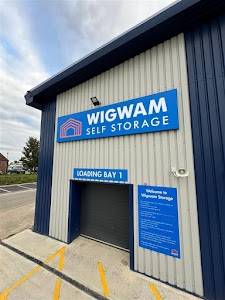
Wigwam’s current published rates and a two-week minimum term mean you’re not paying for months you don’t need, and you’re not tied into anything longer than the work takes. Full, current pricing sits on our self-storage costs page, which we keep current rather than repeating a figure here that could drift.
Wigwam’s current rates and the two-week minimum
Rather than quoting a number that may have moved by the time you read this, we point you to the live page, refreshed as our rates change. The shape of the deal: a two-week minimum term, and a refund of any unused days if you leave early. Starting means a refundable deposit plus four weeks paid upfront; ending means a fourteen-day notice period, after which your deposit and any unused days are refunded.
Why a flexible minimum matters when you don’t know exactly how long the work will take
Renovations rarely run to the day they were quoted. A flexible minimum term means you’re not guessing upfront and hoping you guessed right; you can extend as needed without renegotiating from scratch, which matters once the builder tells you the rewire’s taking an extra fortnight.
If the renovation overruns (staggered moving)

If the work runs long, storage is built to flex with it rather than force a decision before you’re ready. This is sometimes called staggered moving: your things stay safely held while the new home catches up to your timeline, rather than the other way round.
How the flexible term works if the timeline slips
Because there’s no fixed end date built into the arrangement, an overrun doesn’t mean starting again or renegotiating a contract. It means your notice period starts whenever you’re ready to move in, not on a date guessed months earlier. One quick note on scope: whether you can live in a house while it’s being renovated is a different question, with its own answer depending on the scale of the work. And a seller wanting to exchange sooner than they can complete is a different gap again, driven by someone else’s timeline rather than the condition of the house you now own. This piece is specifically about the gap created by a house you’ve already bought that needs work before it’s liveable.
From waiting room to finished home
Own the house, sort the insurance and the storage, move in when the house is ready. That’s the whole sequence, and it’s a sensible one, not a sign that anything was under-planned. The waiting room you’re in now has a door out the other side, and most buyers who’ve been exactly where you are now look back on it as a stretch of sensible admin, not a crisis. When you’re ready, get a quote for however long the work takes, and if you’d rather browse locations first, our self-storage locations page covers all fifteen Wigwam sites.
Frequently Asked Questions
You should tell your insurer that the property will be empty and what work is happening, regardless of where your belongings end up. Moving contents off site still changes what’s inside the house you’re insuring, so it belongs in the same conversation with your insurer, not a separate one. Always check your own policy wording, and speak to your insurer directly if you’re unsure.
Many insurers restrict standard cover once a property has been unoccupied for somewhere between thirty and sixty days, though this isn’t a fixed universal rule and varies by insurer. Check your own policy wording rather than relying on a single number, and disclose the works and the expected empty period before they start.
Wigwam’s minimum term is two weeks, with any unused days refunded if you leave early. Full current pricing is on our self-storage costs page.
Yes. If you’re still sleeping in the house during minor works, most people keep the bulk of their belongings in place and only box up what’s in the room currently being worked on, storing the rest off site once the works move beyond minor and cosmetic.
There’s no fixed end date built into the arrangement, so an overrun doesn’t force a renegotiation. Your notice period starts whenever you’re ready to move in, which is exactly the flexibility this kind of gap tends to need.