There is a house in every small Cotswold-fringe town that everyone is quietly watching get done up. A skip appears in the lane. Scaffolding goes up against a listed frontage. The curtains disappear from the windows for months at a time. Nobody asks the question out loud, but it sits there anyway: where has all the furniture gone, and is it being looked after as carefully as the house itself?
In a hurry? Start here.
- Not yet submitted your listed building consent application? Go straight to why the timeline is so hard to pin down.
- Mid-renovation, services stripped, furniture already “somewhere” and it isn’t working? Jump to what storing it properly means.
- Already sold on storage and just want the Shipston-on-Stour facts? Skip to what the site offers.
Why a listed-cottage renovation almost never runs to the timeline you were quoted
If your cottage is listed, the protection doesn’t stop at the front door. The UK Planning Portal confirms consent is needed for alteration or extension “likely to affect its character,” and that “it is a criminal offence to carry out work which needs listed building consent without obtaining it beforehand.” Stratford-on-Avon District Council is explicit that this covers “changes to the fabric of a listed building (both outside and inside).” That single fact, more than trades running late or materials arriving slowly, is the reason a listed renovation so often runs longer and less predictably than a non-listed one.
Does listed building consent cover the inside of the house too?
Yes. The rule is about impact on the building’s character, not simply which side of the wall the work happens on. Stripping back historic plaster, removing period joinery, or altering internal layouts in a way that changes the building’s special interest can all need listed building consent, exactly as an extension or a new window would.
What needs consent, and what doesn’t
It would be alarmist to pretend every lick of paint needs a permit, and that isn’t true. Redecorating, and swapping a modern kitchen or bathroom fitting for another modern one, generally doesn’t need consent. The line is drawn at work that affects the building’s character as a place of special architectural or historic interest, not at “have I touched anything.”
What happens if the work goes ahead without it
Carrying out character-affecting work on a listed building without consent is a criminal offence, and getting consent afterwards doesn’t retrospectively authorise work already done. Everything that follows here assumes you’d rather plan around that than find it out the hard way.
The village is watching, and so is the calendar
A listed-cottage renovation in a town the size of Shipston-on-Stour happens in public. Neighbours notice the skip. The parish notices the scaffolding. What nobody mentions at the school gate is where the furniture went, and whether it’s being kept as carefully as the building is being restored.
Why “a few weeks in the spare room” turns into months
The consent process is the quiet reason a promise like that so often breaks. A survey turns something up, a revision goes back to the planning authority, and the “few weeks” you budgeted for becomes a season, not because anyone did anything wrong, but because that is how long the process can take.
A Cotswold-fringe town, not a claim to the AONB
Shipston-on-Stour sits at the edge of the Cotswolds, close to the Fosse Way and the Gloucestershire and Oxfordshire border, rather than inside the formally designated Cotswolds National Landscape boundary itself. We’ll call it Cotswold-fringe or on the edge of the Cotswolds throughout this article, because that’s the honest description, and it’s the one we’ll stick to.
What “storing it properly” means, mid-renovation
Once services are stripped out and the trades need clear access, more comes out of a listed cottage than most people expect: furniture, soft furnishings, anything in the path of first-fix work or dust. A garage or a relative’s spare room copes with a fortnight, but stops coping once the job runs to months, because that space was never meant to hold a house’s worth of belongings for that long.
What typically has to come out first
Textiles, soft furnishings and anything that can’t take dust or a knock from passing trades needs to be out before first-fix starts, not squeezed into whichever room isn’t being worked on that week.
Why the garage or a relative’s spare room stops being enough
A garage is often damp and frequently needed for tools. A relative’s spare room is finite, and goodwill has a shelf life the consent process doesn’t respect. If it’s already full and the timeline has already slipped once, it’s worth knowing what a proper unit takes in effort, not cost, to set up.
The damp-cottage honesty
Here’s the part we’d rather say plainly than let you find out for yourself. An old solid-wall cottage mid-renovation, with the heating off and the services stripped out, is often damper than people expect, sometimes damper than the unit the furniture has gone to. That isn’t a criticism of your house. Older buildings behave differently once you take away what normally keeps them dry and warm, and it’s worth knowing before good furniture goes back in.
Is an old cottage really damper mid-renovation?
Often, yes, and it isn’t a flaw in your particular house. Solid walls that usually manage moisture well with heating and services running can hold onto damp for longer once both are switched off for months.
What “clean, dry and secure” means, and doesn’t
We keep a unit clean, dry and secure. That’s a standard we hold ourselves to. What we don’t do is climate control, so we won’t tell you a unit regulates temperature or humidity the way a heated house does. What we will say is that a dry, weathertight unit with no stripped-out services and no dust in the air is a calmer place for good furniture to sit out a renovation than a cottage mid-works often is.
A listed-cottage refit, start to finish
Picture a renovation like this one. It’s an illustrative composite, built from exactly the kind of job this article is written for, rather than a real Wigwam customer or a specific address.
The renovation that took longer than the quote
A Grade II listed stone cottage on the edge of Shipston-on-Stour, bought with a “doer-upper” price and a to-do list starting with rewiring and ending with a new kitchen. Ten to twelve weeks, the buyer expected. Then the rewiring survey found historic lath-and-plaster that the consent application had to address before first-fix could start, because stripping it back would affect the cottage’s character. The application, a revision and a re-consultation added weeks nobody had budgeted for. A few weeks in the spare room became several months, with the finish date genuinely unknown until consent came through. Once the cottage was dry, finished and lived in again, the furniture came home, and the village’s slow-burn interest in “that renovation” ended with the house looking properly done, inside and out.
What made this one different from a non-listed refit
A new kitchen in an ordinary 1990s house carries no consent step, so its timeline is far more predictable. That’s precisely why storage terms that flex with an uncertain end date suit a listed-cottage renovation in a way they don’t need to for most other jobs.
What the Shipston-on-Stour site offers for this
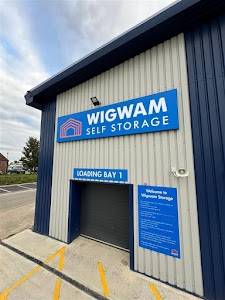
The Shipston-on-Stour site has standard units, unmanned smart entry, and access from 6am to 10pm, alongside terms built for a timeline you can’t pin down yet.
Access, entry and what “unmanned” means day to day
The site runs on smart entry rather than a member of staff letting you in, so you come and go within the 6am to 10pm window on your own. If a courier or a third party needs to collect or drop something off on your behalf, someone from your own business needs to be there with them. It isn’t a staffed site, and we won’t pretend otherwise.
Terms that suit a timeline you can’t pin down yet
Three things, stated plainly rather than folded into one. There’s a deposit when you take a unit. You give notice before you leave, so nothing forces a finish date on you before the work is actually done. Any days you’ve paid for but not used are refunded. Together, that’s a set of terms built for exactly the kind of renovation where nobody can tell you the finish date on day one.
If your needs are different: container storage on the same site
The Shipston site also has container storage for bulkier loads or drive-up access, covered on its own page. This article is about standard units for household and renovation furniture, which is what most listed-cottage refits need.
| Standard unit (this article) | Container storage (same site) | |
|---|---|---|
| Best for | Furniture, boxed and soft furnishings, household contents | Bulkier loads, drive-up access preference |
| Access | Smart entry, 6am–10pm | Smart entry, 6am–10pm |
| Available at Shipston-on-Stour | Yes | Yes |
If a renovation-length stay is what you need, check availability at the Shipston-on-Stour site.
Get the storage right, then get the paperwork right, or the other way round
Restoring a listed cottage properly and storing what comes out of it properly are the same standard of care, not two separate jobs. Getting one right without the other leaves half the work undone.
Where to get an answer on your specific property
This article is general information, not planning or legal advice, and neither we nor our team can tell you whether your specific alterations need listed building consent. For that, speak to Stratford-on-Avon District Council’s planning department, or a conservation-accredited architect or planning consultant, before you start. Our team can talk you through sizing, availability, access and booking once you know what you’re dealing with.
When you’re ready, get a quote for the Shipston-on-Stour site and we’ll help with the part we know best.
Frequently Asked Questions
Yes. Consent depends on whether the work affects the building’s special character, not on which side of the wall it happens on, so internal alterations can need consent just as external ones can.
Carrying out character-affecting work on a listed building without consent is a criminal offence, and getting consent afterwards doesn’t retrospectively authorise the work that was already carried out.
Shipston-on-Stour sits at the edge of the Cotswolds National Landscape rather than inside its formally designated boundary. Stratford-on-Avon District Council’s own guidance confirms conservation area status and listed building status are legally separate protections, and a property can carry one, both, or neither.
Longer than the quoted finish date, in most cases, because the consent process can add weeks or months that weren’t in the original plan. Terms built around a deposit, notice before you leave and a refund on unused days suit this kind of renovation far better than a fixed short booking with a hard end date.
Often, yes. A cottage mid-renovation, with services stripped out and no heating running, can be damper and dustier than people expect, sometimes more so than a clean, dry and secure storage unit. We don’t offer climate control, but we do keep units clean, dry and secure, which is often the more stable option while the house itself is unsettled.