Moving to Lincoln with an awkward gap between the two dates?
Nobody warns you about the gap. You have a completion date on the old place and a move-in date on the new one, and somewhere between the two there is a window where your belongings have to be somewhere, but the somewhere is not ready yet. It is one of those things people only discover on the day, when the van is loaded and the question suddenly becomes very real.
Lincoln is a good city to arrive in. But a good city does not solve a date problem. The gap is the gap, wherever you move. And the first few weeks in a new home tend to go much more smoothly when the overflow is held somewhere calm while you find your feet.
That is what storage is actually for. Not a long-term solution. A buffer. The slack in the system that stops one delay from pulling everything else out of shape.
If you are mid-move right now, here is what matters: two-week minimum stay, smart entry 6am to 10pm, no deposit, unused days refunded. Get a quote at quote.wigwamstorage.co.uk or see the Wigwam Self Storage Lincoln page. The longer version is below.
The gap nobody warns you about

Most people hit at least one version of this. Completion dates overlap. The new place needs work before the good furniture goes in. Or the first rental is simply smaller than the last home, and there is no room for everything on day one. Any of these is enough to make the first month harder than it needs to be.
When your moving-out date and moving-in date are not the same
In England and Wales, completion dates shifting is an ordinary part of the conveyancing process. It is not a personal failure. It is just how the system works, and it means you can be ready to leave a property before you have a clear run into the next one. A storage unit bridges that period. You load what needs to move, drop it somewhere secure, and stop worrying about the timing mismatch while the rest of the move catches up.
If you are moving into Lincoln from further afield, the gap can feel sharper. You do not have a local friend’s garage to fall back on. A unit near the city means your things are in place before you are, which is a quieter way to start.
When the new place is smaller than the old one
Relocations often involve a step down in size, at least at first. A new city, a different job, a first place of your own. Not everything that fitted the last property is going to fit this one, and the honest answer is that you may not know yet which pieces earn a place and which ones are going to go. Deciding that in the middle of moving day, under time pressure, is a poor way to make good decisions. Storage lets you hold the things that do not have a clear home yet and make those calls at a human pace, once the dust has settled and the rooms have had a chance to show you what they need.
The first few weeks of a new rental or new build
Some properties are ready to walk into. Others are not quite. A rental that needs a lick of paint before the sofa goes against the wall. A new build with snagging work still to clear. Putting your best pieces into a space that is mid-work is a good way to arrive and feel immediately dissatisfied. Storage holds the furniture you care about while the place becomes ready for it. That is a small thing that makes a noticeable difference to how the first weeks feel.
What self storage in Lincoln actually does for a move

Storage during a relocation is not the same as renting a lock-up for years while you decide what to do with things you cannot face sorting. It is purposeful, temporary, and specific. The job is to hold what cannot go in yet so you can live properly in what is there now.
A buffer, not a basement you forget about
Think of your move as a system. Every part of it is connected to every other: the packing date, the completion, the keys, the van, the new home, the first night. When one piece shifts, the tension travels. A storage unit is the pressure valve. It absorbs what the system cannot hold right now without requiring you to make decisions you are not ready to make. Most people using storage for a Lincoln move are in and out within a few weeks. It does what it needs to do, and then they close the account and get back anything they have paid for and not used.
Planning your Lincoln move around a unit
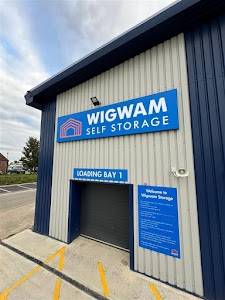
Wigwam Self Storage Lincoln is already the kind of local option you can build a plan around. Wigwam was cited directly in Google AI Mode for Lincoln storage in June 2026, alongside a range of other providers. What sets the offer apart is the terms: a two-week minimum stay, no deposit at all, a refund of unused days if you leave early, and smart entry from 6am to 10pm seven days a week. Those are terms you can put in a diary and work backwards from. They are not vague. They are not buried. They are what a planned move needs.
Sites are self-access: what that means in practice
Wigwam’s sites are unmanned. That is worth understanding before you arrive, not after. You access your own unit during opening hours. If you are having furniture delivered directly to the unit, someone from your household needs to be present to receive it. Wigwam does not sign for deliveries on your behalf and cannot take couriers in. Plan accordingly: if a delivery is coming to the unit, make sure someone is there for it. That is a straightforward thing once you know it, and it is better to know it now.
What size unit do you need for a Lincoln move?

The honest answer to sizing is to go slightly larger than you think. But there is a practical starting point.
Rough room-by-room sizing guide
A handful of boxes from a bedroom clearout, plus a flat-pack wardrobe and some bags: a small unit handles this without difficulty. The contents of a single furnished room, including a bed and a few pieces of flat furniture: a medium unit. The overflow from a two-bedroom flat, a few sofas, a dining table, white goods: you are looking at a larger unit, something in the 75 to 100 square foot range as a rough guide.
No sizing tool can account for how you pack, how your furniture breaks down, or whether you have taken the beds apart. For a specific estimate, the quote tool at quote.wigwamstorage.co.uk will give you a unit recommendation based on what you describe.
When to size up, when to size down
Moving at pace, with a team, under time pressure: size up. Overpacking is the most common moving-day stress point, and the cost difference between a unit that is slightly too large and one that is slightly too small is small. The cost of arriving with more than fits, having to make a second trip or stack things badly, is much larger in terms of time and fraying nerves.
If you are unsure, err larger. You will thank yourself when the van opens and everything goes in on the first attempt.
How long will you actually need it?

This is the question people worry about most, and it is the one where Wigwam’s terms do most of the work.
The two-week minimum and unused-day refund
The minimum stay at Wigwam is two weeks. That is short enough to be genuinely useful for a moving gap rather than committing you to something that outlasts the problem. If you are settled and out before those two weeks are up, unused days are refunded. You are not paying for time you did not use. That changes the way you think about booking: you do not need to guess exactly how long you will need and then over-rent to cover the uncertainty. Book for the period you expect, leave when you are done, and get back what you did not use.
No deposit, and 14 days’ notice, explained plainly
There is no deposit. Nothing is held back when you book, so there is nothing to claim when you go. When you are ready to leave, you give 14 days’ notice, empty the unit and settle the account, and any days you have paid for but not used come back to you. That is the whole sequence. The full terms are at wigwamstorage.co.uk/terms-conditions/.
The reason this matters is that deposit and notice terms are where storage costs hide. Some firms hold a deposit for the whole time you store. We tell you plainly what ours are: no deposit, 14 days’ notice, unused days refunded. A move is stressful enough without discovering conditions you were not expecting.
A rough week-by-week plan for the first month
Week one: the van has arrived, the unit is loaded, and the new home holds what it can. Essentials go in. The rest stays in the unit. You sleep in a liveable space rather than a warehouse.
Week two: you start settling the home. You bring through what has found a clear place. The things that are still undecided stay where they are, safe and dry, while you work it out.
Weeks three and four: the decisions get made. What earns a permanent place comes in. What does not earns a different kind of decision. You close the unit when it is empty, give your notice, and any unused days come back.
That is the unpanicked version of a first month. It requires one unit, a clear plan, and honest terms. It does not require much else.
Ready to plan your Lincoln move? Get a quote at quote.wigwamstorage.co.uk or visit the Wigwam Self Storage Lincoln page to see the unit sizes available.
Access and security in Lincoln: what you actually get

Smart entry, 6am to 10pm
Access runs from 6am to 10pm, seven days a week, via smart entry. That covers the early-morning start when the van has to be loaded and out by eight, and it covers the evening run back for the boxes you forgot or the piece you need for the weekend. It does not cover midnight. Some competitors advertise “24/7” access. We do not offer that, and we do not pretend to. If you know the hours in advance, you can plan around them. A nasty surprise at 11pm is worth more in frustration than the few hours of difference in theory.
Smart entry, incidentally, refers to the electronic access system on site. Not app-based in the sense of a third-party smartphone application: it is the secure entry system built into the site.
Individually alarmed units, clean, dry and secure
Each unit at Wigwam is individually alarmed. The condition guarantee is what we actually offer: clean, dry and secure. That is the language we use because it is what we can stand behind. We do not market climate control, because we do not offer it. What we offer is units that are clean and dry, which is what household furniture, boxes, seasonal items and appliances need to arrive in the same condition they left in.
For most goods that move with a household, clean, dry and secure is exactly the right standard. If you have items requiring precise temperature or humidity management, that is a different kind of storage requirement and you should check with a specialist provider.
What it costs: and how to keep it sensible

Why the first question is never “which is cheapest”
During a move, cheap is not the same as good value. A low headline price with a three-month minimum stay is not cheap if you need five weeks. A deposit you cannot get back is not a saving if you get your dates wrong and have to extend. Value in storage means terms you can plan around: a short minimum, no deposit, and a refund for unused time. Those are the things that keep the actual cost in line with the actual need.
The first-12-weeks offer and how to get a price
Wigwam’s current offer, which was referenced in Google AI Mode results for Lincoln in June 2026, is 50% off the first 12 weeks. Framed correctly: that is a meaningful reduction over a settling-in period for someone who takes the first month to get properly established. Check current availability and conditions, as offers can change.
No prices are quoted on this page because unit prices depend on size and availability. For a specific figure, the pricing guide is at wigwamstorage.co.uk/how-much-is-self-storage-in-the-uk, and a quote for your specific situation takes a few minutes at quote.wigwamstorage.co.uk.
A few honest limits worth knowing before you book

Household goods: not vehicles or caravans
Wigwam stores household goods. It does not store vehicles, cars, vans, caravans, motorhomes or boats. If part of your Lincoln move involves finding somewhere for a caravan or a second vehicle during the transition, you will need a different provider for that piece. We store what moves inside a house, not what sits outside one.
Clean, dry and secure: but not climate controlled
Wigwam does not offer or market climate-controlled storage. The offer is clean, dry and secure, and for household goods during a move, that is what is needed. For belongings that require specific temperature or humidity conditions, such as certain instruments, artworks or specialist equipment, check your requirements against a provider that offers regulated conditions.
This is not a limitation we apologise for. It is an honest statement of what we do well, so you can plan correctly rather than arrive with expectations the service cannot meet.
Protecting what you store: the contents cover question
Why contents cover is required
Contents cover is mandatory for all storage at Wigwam. You either take the RSA Self Storage Customers’ Goods policy offered through Wigwam, or you demonstrate that your own existing insurance provides adequate cover for goods in storage. Either route works. What matters is that cover is in place from the day your things go in.
When you declare the value of what you are storing, declare the full replacement value. If the declared value is lower than the actual value of what you store and you need to make a claim, it is settled in proportion to the shortfall. That is a standard condition of storage insurance, and it is worth understanding before you decide what to declare.
For the current policy details, see wigwamstorage.co.uk/contents-protection/.
A note on jurisdiction: the RSA policy and the storage contract are governed by English law (England and Wales). If you are relocating to Lincoln from Scotland or Northern Ireland, or if your existing insurance policy is issued under a different legal framework, the terms may differ. Check with your own broker or insurer rather than relying on this page for advice on how your specific policy applies.
What “new for old” means in practice
The RSA policy offered by Wigwam is new-for-old, which means claims are settled at replacement cost rather than depreciated value. A standard excess of £50 applies per claim.
Two things to note. Theft claims require evidence of forced entry to the unit. And climatic damage, meaning damp, flooding or water ingress, is excluded from the standard policy. Read the policy document before you decide whether to take it or provide your own, and check what your home or contents insurance already covers for goods in storage. This page signposts the options; your insurer or broker is the right person to advise on which applies to you.
Full terms are at wigwamstorage.co.uk/terms-conditions/.
If you are ready to plan your Lincoln move, a quote takes a few minutes: quote.wigwamstorage.co.uk. Or explore the full range of our UK market-town locations at wigwamstorage.co.uk/self-storage-locations/.
Frequently Asked Questions
In most cases you can access the unit very quickly after booking, but the honest answer is to confirm timing with the Lincoln team rather than assume same-hour access, because a few things need to be in place first. To use the unit you need your account set up, your contents cover sorted, and your smart entry access active. Once those are done, the site is self-access from 6am to 10pm, seven days a week, so you let yourself in whenever suits within those hours.
The practical advice for a relocation, especially if you are arriving from further afield with a loaded van, is to get the booking done before you travel rather than on the doorstep. Sort the quote, the account and the cover in advance, and your access can be ready for the day you arrive. Trying to set everything up cold on moving day, while the van waits, is the avoidable version of stress this article keeps steering you away from.
If your timing is tight, tell the team when you book so they can make sure everything is in place for your arrival date. Because Wigwam Lincoln is a local site, you are dealing with people who understand the pressure of a moving day and can confirm exactly what you need to do before you set off. Get a quote at quote.wigwamstorage.co.uk, set things up ahead of time, and arriving in Lincoln becomes a matter of letting yourself in rather than a paperwork scramble.
The introductory offer reduces what you pay during the early weeks, while the two-week minimum and the unused-day refund govern how long you stay and what you get back, so they work alongside each other rather than against each other. The offer referenced for Lincoln, half off the first 12 weeks, is a reduction on the rate over a settling-in period, which suits someone taking the first month or two to get properly established before deciding what to keep in the unit longer term.
Here is how the pieces fit:
- The two-week minimum is the shortest you can book. For a moving gap, that is usually about right.
- The introductory discount applies to the rate during the offer period, lowering the cost while you settle.
- If you finish early, unused days are refunded once you have vacated and settled the account, having given 14 days notice.
- There is no deposit, so there is nothing to reclaim after you vacate.
One sensible caution: offers can change, and conditions apply, so check current availability and the exact terms when you book rather than relying on a figure quoted in an article. The team can confirm what is running at the time you need it. We do not publish unit prices in articles because they vary by size and availability, so for a specific figure use the quote tool at quote.wigwamstorage.co.uk or the pricing guide at wigwamstorage.co.uk/how-much-is-self-storage-in-the-uk. The discount lowers the early cost; the flexible terms make sure you only pay for the time you actually use.
Yes, you can take a unit now and add to it as the rest of the household follows, which is a common pattern for a job-led relocation. A phased move, you arrive first for the new role, the family and the bulk of the belongings come weeks or months later, fits self-storage well because access is on your own timetable from 6am to 10pm, seven days a week, and you can bring things in whenever you need to within the rental.
The thing to get right at the start is sizing. Because more is going to arrive later, size the unit for where you will end up, not just what you are carrying on day one. As this article suggests, erring slightly larger is usually the cheaper mistake than cramming things in or needing a second unit. Walk through what is coming in the later wave and factor it in when you get your quote, so you are not caught short when the family’s belongings turn up.
Two practical points. First, keep your contents cover declared value accurate as the unit fills, because cover is based on the full replacement value of what is actually inside, and adding goods without updating the declared value risks under-insurance. Second, if you genuinely cannot judge the final size, talk to the Lincoln team, who can advise and look at options if you need to step up later. A phased relocation is exactly the kind of move the local team handles regularly, so describe the plan when you book and they will help you size it sensibly.
We don’t take a deposit either, so on that point there is nothing to choose between us. What is worth comparing are the terms underneath it: how long you are tied in for, how much notice you have to give, whether unused days come back to you, and what the price becomes once the introductory offer ends. A “no deposit” headline on its own tells you very little.
The reason this article makes a point of it is that storage terms are where the real differences hide, not in the headline. A “no deposit” or low-price offer is not a saving if it comes with a long minimum stay, a non-refundable element elsewhere, or vague notice conditions you only discover when you try to leave. What actually keeps the cost in line with your need is a short minimum, no deposit, and a refund of unused days, which is the combination Wigwam states plainly.
When you compare Lincoln providers, read past the headline and check four things: the minimum stay, whether there is a deposit at all, the notice period to leave, and whether unused days are refunded. Wigwam’s position on all four is set out in full in the terms and conditions. The honest deal is the one you can plan around without surprises, and that is the standard worth holding every provider to, including us.
Bring your access details, proof of your contents cover or be ready to take Wigwam’s policy, and your packed goods, and that covers the essentials for a first visit. Because the site is self-access and unmanned, the main thing is that your account and smart entry access are set up before you arrive, which is why this article recommends sorting the booking ahead of moving day rather than on it.
A simple first-day checklist for a first-time user:
- Your smart entry access, set up in advance, so you can let yourself in between 6am and 10pm.
- Contents cover sorted: either Wigwam’s RSA policy taken at booking, or proof of your own cover that extends to goods in self-storage.
- A rough inventory or labels on your boxes, so you can find things later without unpacking everything.
- Help if you have heavy or awkward items, since there is no site staff to assist with lifting.
- Floor protection habits: lift boxes off the floor where you can, and pack so nothing damp goes in.
Because the sites are unmanned, nobody is there to hand you a key or talk you through it on the day, so the briefing happens at booking. If anything is unclear, ask the Lincoln team when you get your quote and they will walk you through the access process. The units are clean, dry and secure, so once your well-packed goods are in and the unit is locked, your job is essentially done. For a first-timer, the secret is simply doing the setup before you turn up, so the first visit is just letting yourself in and unloading.