A box room or garage going damp under a growing vinyl, comic or antique collection is a familiar worry, and so is the fear of either overpaying for a feature you don’t need or underpaying and finding damage a year later. You already curate this collection, grading, sleeving, cataloguing, and moving it into a Wigwam unit doesn’t have to mean giving that up.
Mostly vinyl, comics or antiques, nothing especially rare or fragile? A standard unit, correctly prepped, is very likely fine. A handful of standout pieces mixed in? Read the honest limit section first. Genuinely museum-grade or already fragile items? Those need a conservator, not any general unit. Worried about insurance rather than the unit itself? Jump to that section.
Do Storage Units Actually Damage Vinyl, Comics and Antiques?
Most collections are safe in a dry, stable, non-climate-controlled unit if correctly prepped. Damage risk comes from instability, damp, heat swings, direct light, poor prep, not from the absence of climate control itself.
What actually causes the damage
Damp, rapid temperature or humidity swings, direct light and poor preparation before storage are the real risks, not a lack of refrigeration-grade cooling.
Why “clean, dry and secure” is the honest Wigwam answer
Wigwam doesn’t offer climate control. For most collections, that’s genuinely fine, stability matters more than hitting an exact figure, and a dry, secure unit provides that stability.
What to Do Before the Door Closes: Prepping Vinyl, Comics and Antiques
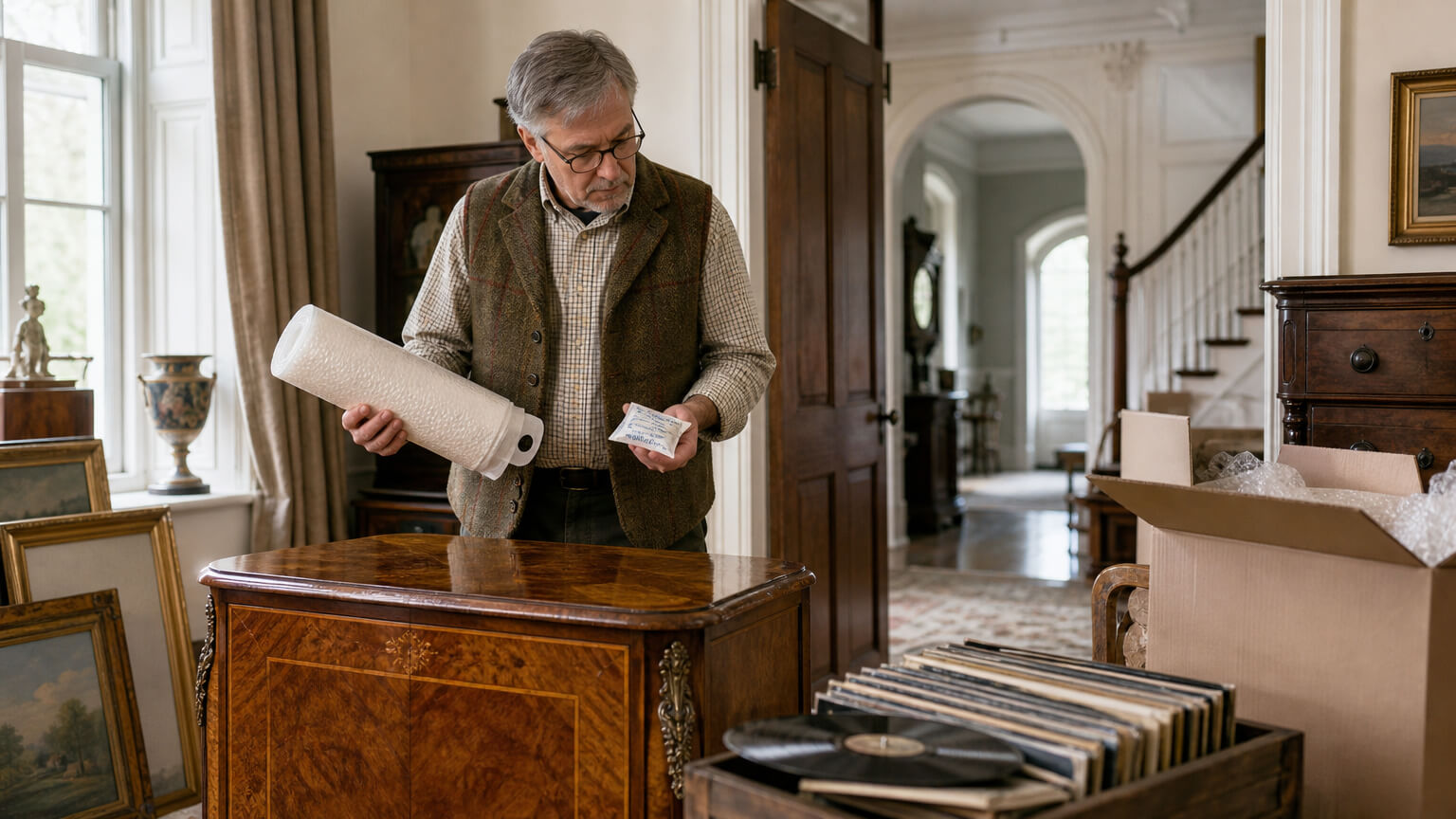
Correct prep does more work than any storage feature.
Vinyl records
Store upright in poly-lined inner sleeves, on shelving off the floor, away from direct light. Never stack records flat, the weight warps them over time. If shelving isn’t practical straight away, records stored upright in a sturdy box on its side beat a flat stack every time, the orientation matters more than the exact setup.
Comics and longboxes
Bag and board in acid-free sleeves, store upright in short boxes off the floor, away from direct light.
Antiques and furniture
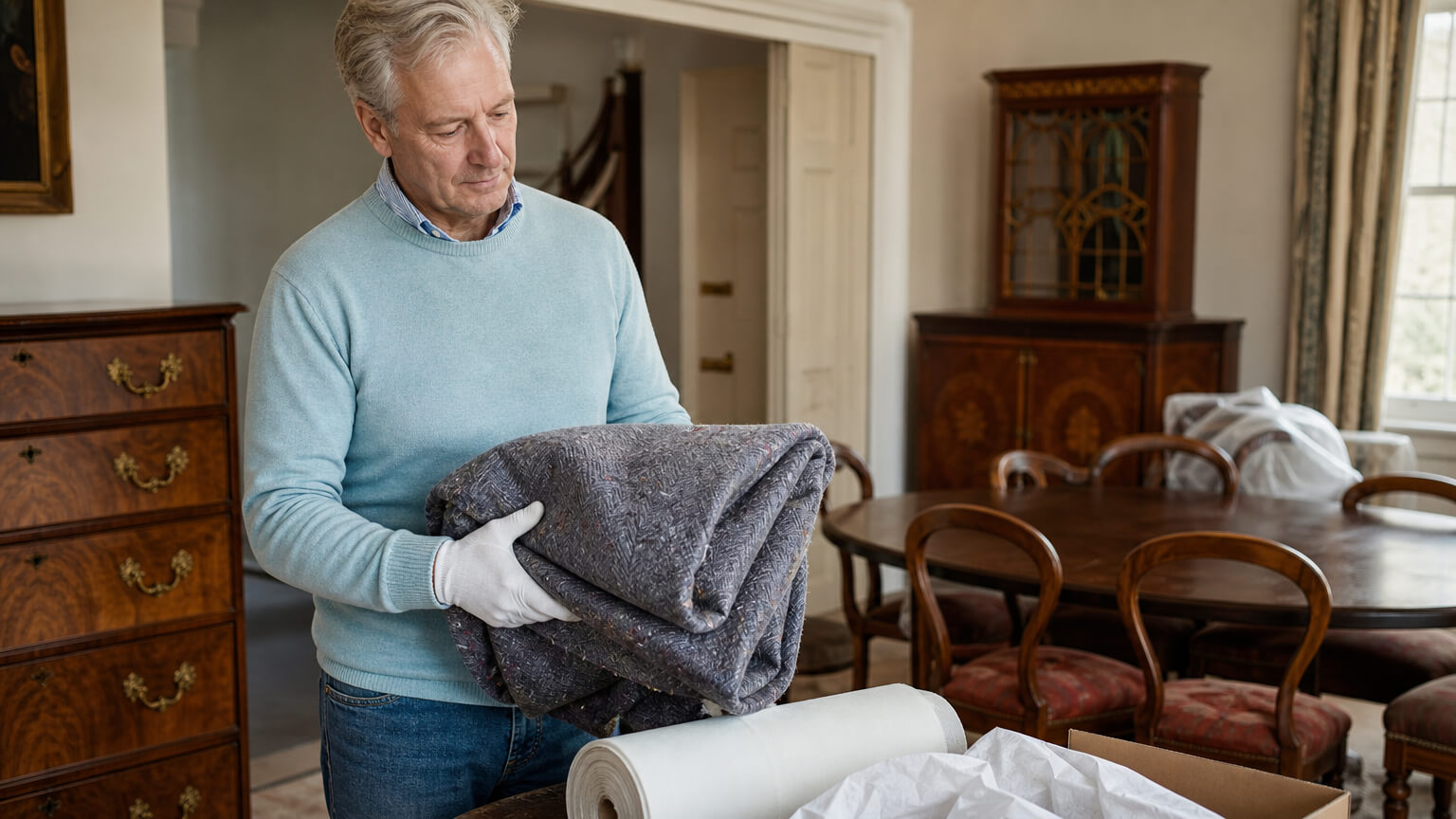
Wrap pieces and pad joints and legs, elevate off the floor, and use a dust sheet rather than sealing in plastic. Trapped moisture, not air exposure, is the real enemy.
The Honest Limit: When a Collection Needs More Than a Standard Unit

Most vinyl, comic and antique collections are a good fit for a standard dry unit. A specific minority, genuinely high-value, irreplaceable, or already fragile pieces, sit outside what any general-purpose unit should be trusted with. The honest answer for those is specialist archival storage or a conservator’s advice, not a harder sales pitch.
Where the UK conservation standard actually draws the line
The National Archives’ guidance for traditional archives sets a storage environment not above 23°C and not below 13°C, with an average below 18°C, and warns that large, rapid variations are the most dangerous situation of all, more than any single figure. Library of Congress guidance on comic-book care recommends a cool, relatively dry environment (around 35% relative humidity), avoiding attics, basements and other spots prone to leaks or extremes, with minimal light exposure. Both point to the same underlying driver: stability matters more than hitting an exact number, which is the honest basis for saying a dry, secure, non-climate-controlled unit is adequate for most collections.
The fit table: match your collection to the right answer
| Collection type | Typical Wigwam fit | Why | What to do first |
|---|---|---|---|
| Vinyl (general collection, no rare pressings) | Good fit | Cool, dry, stable unit with no direct light handles the real risks | Store upright in poly-lined sleeves, off the floor |
| Comics (long boxes, mid-grade to good condition) | Good fit | Achievable stability in a dry unit without refrigeration-grade control | Bag and board in acid-free sleeves, upright, off the floor |
| General antiques and furniture (moderate value, sound condition) | Good fit | A dry, stable unit avoids damp and rapid swings without needing tight humidity control | Wrap, pad joints, elevate, dust-sheet rather than seal |
| Rare/first-print comics, graded high-value cards, valuable pressings | Conditional fit, prep and insure carefully | Closer to the archival threshold, workable if correctly bagged, boarded and insured | Grade and insure before moving, declare full value, keep in the most stable part of the unit |
| Museum-grade, irreplaceable or already-fragile items | Not a fit, needs specialist archival storage | Outside any general-purpose unit’s tolerance | Get a conservator’s advice before choosing any storage option, including Wigwam |
This table is general guidance, not a valuation or conservation assessment. Readers with genuinely high-value items should get independent advice.
A Collector’s Move: Lincoln, Box Room to Unit
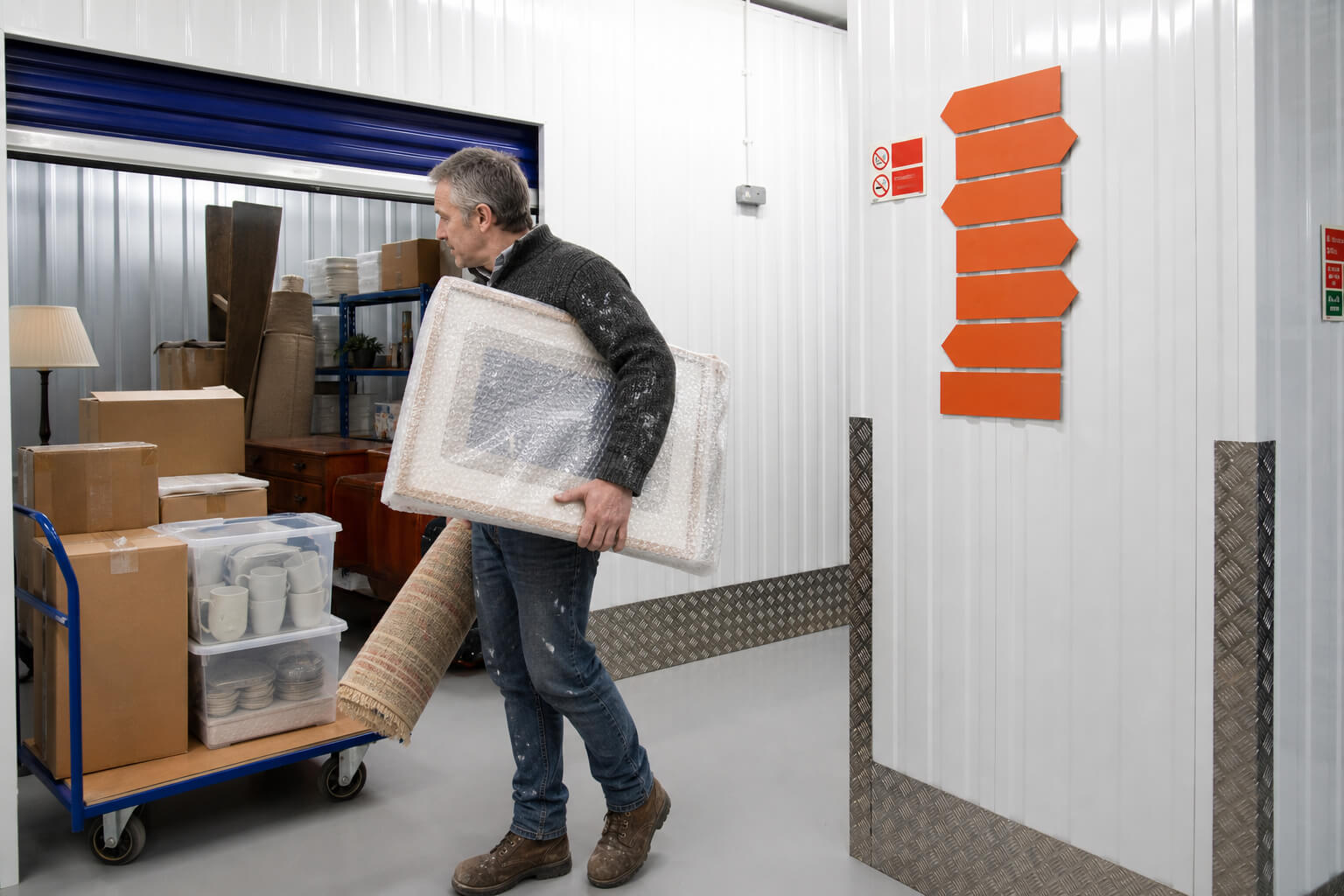
Picture a comic and vinyl collection outgrowing a damp box room near Wigwam Self Storage Lincoln. Before the move, the handful of standout issues get graded, bagged and set aside for their own insurance attention, while the rest goes in upright, off the floor, correctly bagged and sleeved, in a unit at the Lincoln site.
Will My Insurance Actually Cover a Stored Collection?
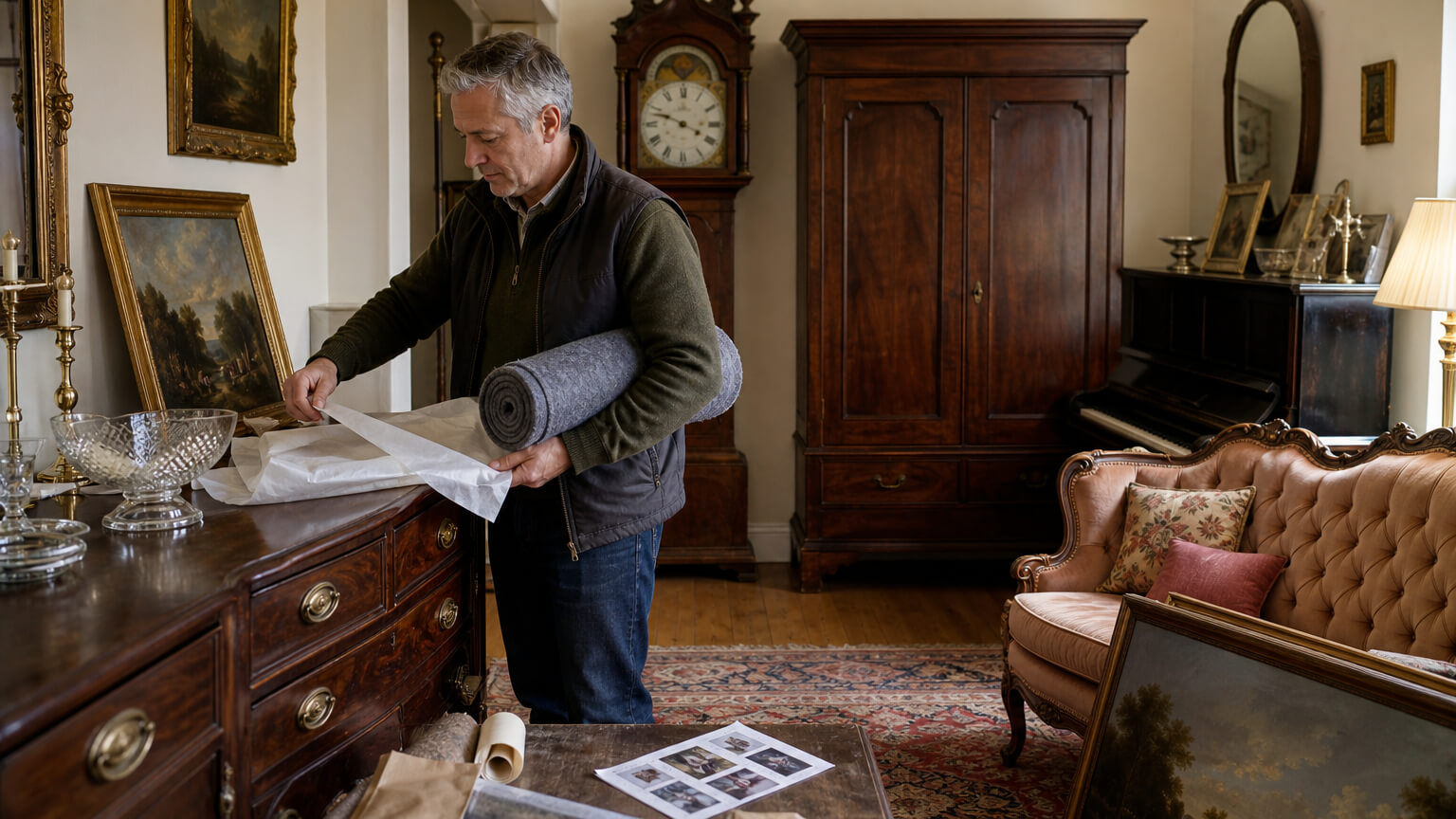
Home contents policies usually exclude or cap off-site collectibles. Wigwam’s opt-in RSA “Self Storage Customers’ Goods” cover requires declaring the full value of what’s stored, underinsurance pays out proportionally short, not in full, and climatic damage is excluded from the policy entirely.
What the cover does and doesn’t do
Cover runs on a New-for-Old basis, opt-in or provable own cover, with theft claims requiring evidence of forced entry.
The one thing insurance won’t fix
Climatic damage is excluded from the policy. That’s not a scare line, it’s the honest argument for getting the prep right in the first place, rather than relying on cover as a backstop. Insurance answers “what if it’s stolen or the building’s damaged,” it was never going to answer “what if I stored it wet,” and no policy on the market covers that second question for anyone.
Can I Still Get to My Collection Once It’s in Storage?
Yes. Unlimited access 6am to 10pm lets a collector check condition, rotate stock or add new finds without booking ahead, and individually alarmed units answer the “is a shared facility safe for valuable items” worry directly.
Access hours and what they mean for an active collection
Access runs 6am to 10pm daily via smart entry, not round the clock, but enough to fit around most collecting habits.
Security for individually valuable items
Every unit is individually alarmed, with CCTV across the site.
Get a quote for your collection’s own space.
What If I Downsize the Collection or Sell Part of It?

A deposit applies when you start, 14 days’ notice is required to end the agreement, and any unused paid days are refunded. Thinning a collection or selling part of it doesn’t mean paying for space you no longer need.
The Honest Takeaway for Collectors
Most vinyl, comic and antique collections do well in a correctly prepped, dry, secure Wigwam unit. The genuinely high-value or fragile minority deserve a specialist’s advice instead, and that honesty is the actual point of this page, not a sales line. For the broader question of whether climate control matters at all for household storage generally, our climate-control guide covers that ground.
Get a quote for space that fits your collection.
Frequently Asked Questions
Not if stored correctly. The real risks are damp, heat swings and light exposure, not the absence of climate control. Store upright, off the floor, away from direct light.
High humidity and rapid swings are the risk, not a specific number alone. Aim for a cool, relatively dry, stable environment, roughly 35% relative humidity where achievable, and keep comics away from damp-prone spots.
Generally yes, for moderate-value, sound-condition pieces. Wrap and pad joints, elevate off the floor, and avoid sealing in plastic, which traps moisture.
Usually not fully, home contents policies often exclude or cap off-site collectibles. Check your own policy, or use Wigwam’s opt-in cover and declare the full value of what you’re storing.