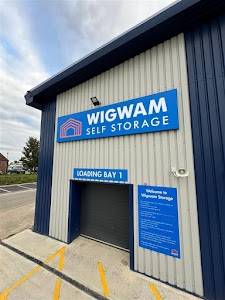
The skip is booked. The trades have their dates. And the sofa, the good lamp, and three boxes marked “sort later” have nowhere to go except the garage, because that is what garages are for, right up until the weather turns and the tradesmen need the space too. Every other room in the house has already been cleared for the work. The garage is the one room nobody counts, quietly filling up while the renovation runs.
Which one are you?
- Job’s a few days, nothing valuable involved. Your garage is probably fine. Skip straight to when your garage is genuinely fine.
- Renovation runs weeks or longer, or there’s furniture, electricals or anything you’d mind losing. Go straight to the comparison table below.
- Tradespeople need the garage too, for access or materials. Read the table, then see what short-term storage actually involves.
Garage or Storage? The Straight Comparison
A garage costs nothing to use, but it carries damp, insurance and security risk by default, because nobody built it to protect furniture. Short-term self storage costs a known weekly fee, and it is built specifically to remove that risk. Here is the comparison, side by side.
| Factor | Your garage | Wigwam self storage |
|---|---|---|
| Headline cost | “Free,” no rent | A weekly or monthly fee (see the current price guide) |
| Damp and damage risk | Council guidance flags garages as damp-prone; no cover exists unless you provide it yourself | Clean, dry and secure units; contents insurance is required as part of the agreement |
| Insurance | None automatic. You carry the full risk | Contents insurance required, so cover exists by design, not as an afterthought |
| Security while tradespeople are on site | Ordinary garage door and lock, same access as the builders | A separate site, with its own written terms and access on your own schedule |
| Access | Whenever you like, but you’re competing with tools, materials and skips | 6am to 10pm, seven days a week, via smart entry |
| Commitment | None, but no protection either | Minimum two-week term, 14-day notice, no deposit, unused days refunded when you leave |
| Best suited to | Robust items you don’t mind risking: tools, garden kit, materials you’re using during the build | Furniture, soft furnishings, electricals, and anything sentimental or valuable you want intact when the work is done |
What the table doesn’t show: cost varies by unit size and by site, and the figure above is illustrative, not a quote. See current prices for your nearest site on our pricing guide, then get an exact number at quote.wigwamstorage.co.uk.
Why Councils Warn Against Storing Valuables in a Garage

This isn’t a marketing claim. Independent local-authority guidance on garage storage flags exactly the risk this article is about: garages are damp-prone, and nothing stored in one carries automatic cover if it’s damaged. The mitigations councils recommend, raising items off the floor, leaving ventilation gaps, wrapping in polythene, checking on things regularly, are real ongoing work, and it’s the kind of work that quietly stops happening once week three of a renovation arrives and everyone is tired.
Mid Devon District Council’s guidance on garage storage is direct: “Garages tend to be unsuitable for storing goods and belongings because they are susceptible to water damage, such as damp.” Stevenage Borough Council’s guidance notes on domestic storage go further on what to actually do about it, advising that “it is advisable for all items stored in the garage, particularly items of furniture or electrical goods, to be placed off the ground and on pallets” and that you should “leave an adequate ventilation space (of approximately 6 inches) between the garage walls and the stored items, which should be covered with polythene sheeting or similar.” Both councils are equally clear about who carries the risk if none of that happens: as Stevenage puts it, “the Council will not accept liability, under any circumstances, for loss or damage to the garage contents.”
Worth being honest about the small print here: that guidance was written for rented council garages, not a homeowner’s own attached garage specifically. But the underlying physical facts don’t change depending on who owns the building. Damp doesn’t check the deeds. A garage is a garage, and damp affects home furnishings and belongings, carpets, curtains, wallpaper, furniture and clothing, wherever it takes hold, in a rented garage or your own.
When Your Garage Is Genuinely Fine

None of this means your garage is always the wrong call. If the job is a matter of days rather than weeks, and nothing valuable is being left unattended, your garage will very likely be fine exactly as it is. The same goes for anything already suited to a garage environment, tools, garden equipment, building materials you’re actively using, because they were never going to mind a bit of damp or a few unlocked hours. And if your garage genuinely is dry, well ventilated, and isn’t doubling as the trades’ route in and out with tools and skips, there’s a reasonable case for just using it.
Garage is probably fine when:
- The job runs days, not weeks, and nothing valuable is left unattended.
- You’re storing tools, garden kit, or materials still in active use.
- The garage itself is dry, ventilated, and not shared with the tradespeople’s own access and equipment.
Storage is the safer call when:
- The renovation runs weeks or months.
- You’re storing furniture, soft furnishings, electricals, or anything sentimental or valuable.
- The garage will double as the trades’ access route, tool store, or skip staging area during the build.
Knowing which of these you’re in isn’t about being sold something you don’t need. It’s the difference between planning the renovation properly and just planning the building work.
What “Short-Term” Actually Means at Wigwam

If the table above has you leaning toward storage, here is exactly what a short-term booking involves, so there are no surprises before you call.
You pay your first four weeks upfront to start, with no deposit. The minimum term is two weeks. When you’re ready to leave, you give 14 days’ notice, and once that notice period completes, any unused days already paid for are refunded. Contents insurance is required as part of the agreement, which is exactly the cover a garage doesn’t give you by default. Access runs 6am to 10pm, seven days a week, through smart entry, so you come and go on your own schedule without needing to arrange anything in advance. Most sites are unmanned, so if you’re expecting a courier or anyone else who needs letting in, someone from your side should be there to meet them. Units themselves are described as clean, dry and secure, not climate-controlled, which matters if you’re picturing a heated room: it isn’t one, but it is built to keep the damp out that a garage can’t.
- No deposit; first four weeks paid upfront
- Minimum two-week term
- 14 days’ notice to end the booking
- Unused days refunded once notice completes
- Contents insurance required
- Access 6am to 10pm, seven days a week, via smart entry
- Units are clean, dry and secure, not climate-controlled
If you’re weighing a rented lock-up garage instead of your own, the comparison is different again. See how self storage compares against a rented lock-up if that’s the choice in front of you.
Getting a Price for the Space You Need

Once you know which side of that fork you’re on, the next useful step is a real price for your nearest site, not a guess. Get a price for the size you need at quote.wigwamstorage.co.uk, or check which of our market towns is closest via our full list of self storage locations.
If you want the full room-by-room plan for packing up a house mid-renovation, including what to move first and how to size a unit, our complete UK guide to self storage during a renovation covers that ground in full.
Frequently Asked Questions
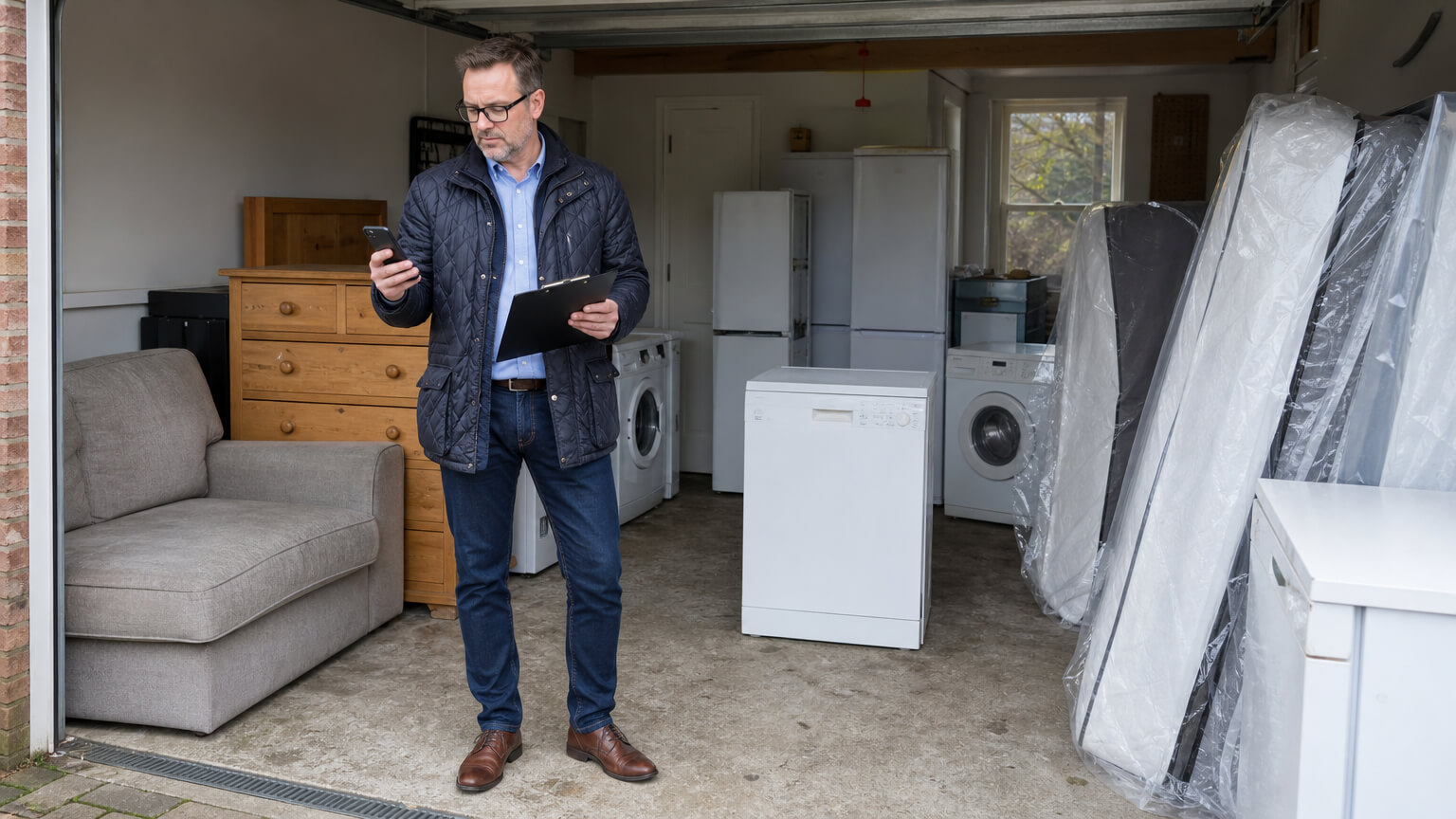
Sometimes, yes. For short jobs measured in days, and for robust items like tools or materials you’re still using, a dry and ventilated garage is a reasonable choice. For anything valuable, or a renovation running weeks or longer, the risk and insurance gap becomes harder to justify.
Not automatically, and this is general information rather than advice on your specific policy. Cover for contents kept in a garage varies between insurers and policies, so check directly with your own home insurer before relying on it.
There’s no fixed upper limit. The minimum term is two weeks, and you give 14 days’ notice whenever you’re ready to end the booking, with any unused days refunded once that notice completes.
Vehicles, caravans, motorhomes and boats aren’t part of what we store. Units are for household and business contents, furniture, boxes, electricals and similar, kept clean, dry and secure.