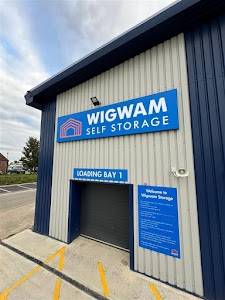
There’s a specific dread in opening a box of stock after a season in storage and finding it moth-eaten, musty, or just not what you packed away. That fear is exactly what pushes traders toward “climate control” marketing. If you’re storing resale or trade stock, eBay, Etsy, Vinted or Depop sales, a small clothing brand, vintage pieces, this is self storage built for that, not for a personal wardrobe clear-out.
Storing off-season stock to sell again next cycle? Jump to seasonal rotation below. Handling vintage or antique pieces? Jump to the fabric method. Setting up an ongoing stock operation, not just seasonal overflow? Jump to the shelving section.
Can You Store Clothing Stock in Self Storage Without Climate Control?
Yes. Wigwam units are clean, dry and secure, but not climate-controlled, and for fabric specifically that isn’t the risk it appears to be. The real risks are damp, pests, bad packing and prolonged light exposure, not ambient temperature.
What “clean, dry and secure” actually means for fabric
A dry, secure, individually alarmed unit addresses the conditions that actually damage fabric in storage. It just needs the stock going in clean, dry and packed correctly for its type.
Why the internet’s default advice is “get climate control”, and why that’s not the fix for fabric
Most storage advice online tells you to rent a climate-controlled unit to protect against heat and humidity shifts. For fabric specifically, that advice misses the point: it’s trapped moisture, pests and poor folding that cause the damage, not temperature swings, and a correctly packed unit addresses all three without needing to control the air.
What Actually Damages Stored Clothing Stock

Four things cause real damage to fabric in storage: damp, pests, poor folding or packing, and prolonged light exposure. None of them are primarily a temperature problem.
Damp and mustiness
Trapped moisture, not ambient temperature, is what causes mustiness and mildew. Keeping stock off the floor and packed only once it’s fully dry addresses this directly.
Moths and pests
Cedar, not chemical mothballs, is the honest fix, it repels moths without leaving a chemical residue on stock you’re planning to resell.
Vacuum-sealing: why it seems efficient but isn’t
Vacuum-sealing looks like the space-saving option, but over months it crushes natural fibres and sets in permanent creases. A seasonal reseller who vacuum-seals stock to save space for six months often finds crushed fibres and creases when they unpack it for next season. The same stock, packed loosely in a breathable box on a shelf, comes out ready to photograph and sell.
How to Pack Each Fabric Type for Long-Term Storage
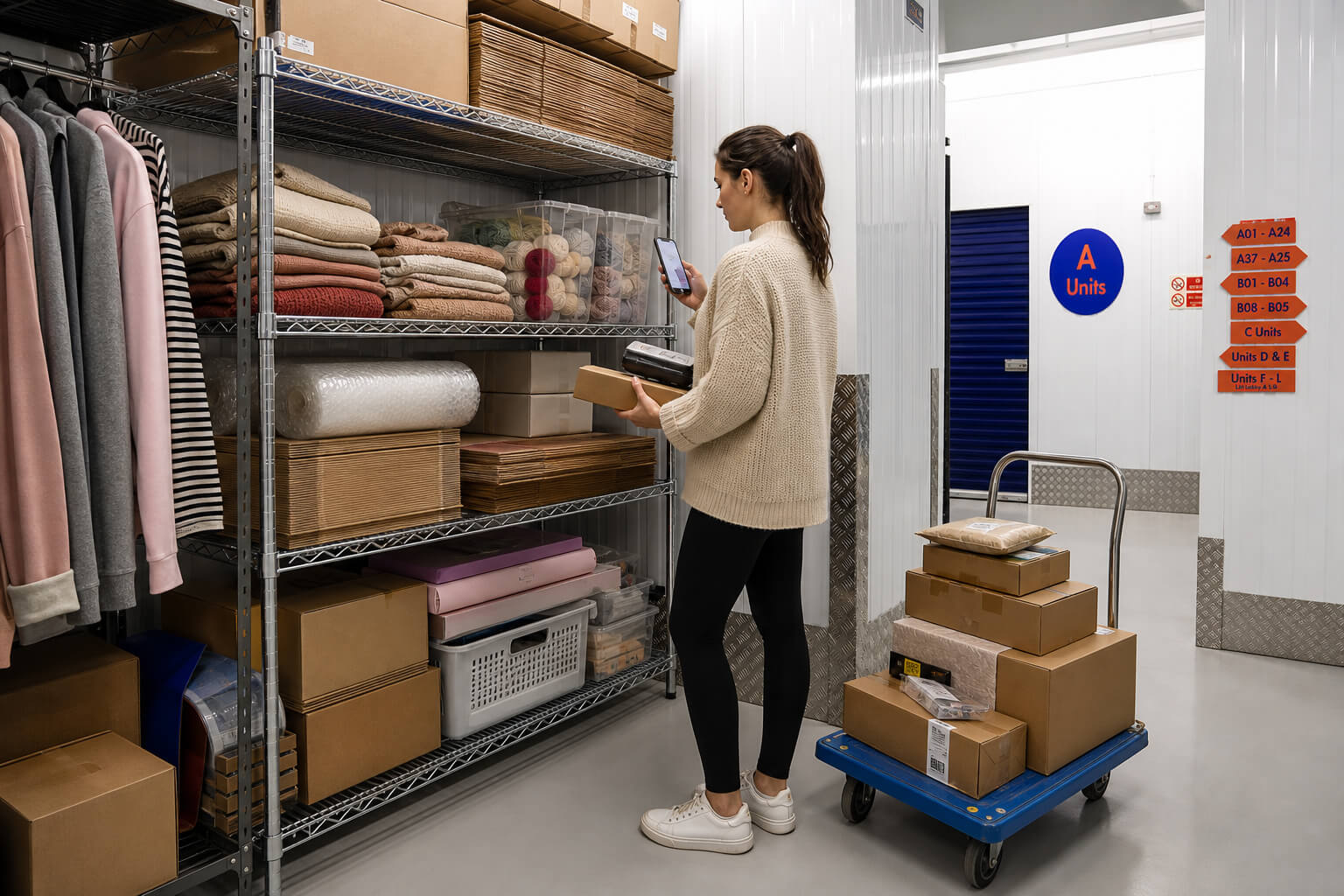
Different fabrics fail in different ways, so the correct method depends on what you’re storing, not a single generic approach.
| Fabric / item type | Real risk in storage | Correct method | Why it works without climate control |
|---|---|---|---|
| Cotton / everyday stock | Creasing, mustiness if packed damp | Clean and fully dry before packing; hang for stock that sells folded-fresh, or fold loosely in a breathable box | Cotton tolerates ambient temperature well; the real risk is trapped moisture |
| Wool / knitwear | Moth damage, stretching if hung | Fold loosely (never hang, weight stretches wool) with acid-free tissue between layers; cedar blocks, not mothballs | Cedar repels moths without chemical residue; folding prevents stretch damage |
| Silk / delicate fabrics | Colour transfer, static damage from plastic | Acid-free, colourless tissue paper wrapped loosely; avoid direct plastic contact | Acid-free paper is a chemical-stability fix, not a temperature fix |
| Vintage / antique clothing | Fibre damage from rough handling | Handle with both hands, gloves for the most fragile pieces, never attempt to clean fragile fabric; store flat or loosely folded | Handling and packing method, not ambient climate, is the dominant risk |
| Any fabric, general | Pests | Silica gel for moisture, cedar for pests, boxes kept off the floor on shelving | Off-floor storage plus desiccant and cedar address the two real risks climate-control marketing conflates with temperature |
Cotton and everyday stock lines
Dry stock, breathable packing, that’s the whole method.
Wool and knitwear
Fold, never hang, and use cedar rather than mothballs.
Silk and delicate fabrics
Acid-free tissue, no plastic contact, that’s what actually prevents colour transfer and static damage.
Vintage and antique pieces
Careful handling matters more than anything else here, since damage from rough handling can’t be undone.
Storing Stock Through the Season: Seasonal Rotation That Matches Your Selling Calendar

A trader’s storage need is cyclical, not static. Summer stock needs somewhere to go over winter, occasion wear sits idle most of the year, and Christmas stock needs a home for eleven months. Wigwam’s 14-day minimum and flexible sizing are built to flex with that cycle rather than locking you into a fixed-term warehouse lease.
Matching unit size to a season’s stock volume
Size the unit to what you’re actually storing that season, not a guess at your full annual range, and adjust as the season’s stock volume changes.
Rotating stock in and out without long-term commitment
There’s no long lock-in. Any unused days are refunded, so a unit can flex with your rotation calendar rather than sitting on a fixed annual cost.
Chipping Norton’s Packaging Shop and Other Wigwam Locations

Wigwam Self Storage Chipping Norton has an on-site packaging shop selling double-walled boxes, bubble wrap and padlocks. A trader can buy correct packing materials from the same site as their unit, pack using the fabric method above, and rotate stock on the 14-day minimum without a separate supplier trip.
Wigwam Self Storage Chipping Norton
Unit sizes here run from 10 to 300 square feet across 11 or more sizes. Office hours for the packaging shop are Monday to Friday 9am to 6pm and Saturday 9am to 2pm, closed Sundays, separate from unit access which runs 6am to 10pm every day.
Wigwam Self Storage Bath
Wigwam Self Storage Bath offers the same unit-size range and access hours as Chipping Norton, useful for traders outside Oxfordshire.
Setting Up an Ongoing Clothing Stock System

For a growing brand that’s outgrown home storage, the fix is a simple pickable system, not just a bigger box.
Shelving and hanging rails
Shelving keeps folded stock off the floor and organised by line; hanging rails suit stock that sells better folded-fresh rather than creased from a box.
Labelling by season and SKU so stock stays pickable
Consistent labelling by season and SKU means any order can be picked and packed quickly, without digging through unlabelled boxes to find one item.
Security, Access and Terms for Storing Trade Stock

For stock with real resale value, the terms that matter are the ones protecting it and the ones that don’t lock you in.
Individually alarmed units and CCTV
Every unit is individually alarmed, with CCTV monitoring across the site.
6am to 10pm access, seven days a week
Access runs 6am to 10pm daily, useful for early picking and packing before a normal working day starts.
14-day minimum, and what happens if you leave early
The minimum term is 14 days, and any unused days are refunded, so there’s no long lock-in for a rotating stock calendar.
Get a business storage quote sized to your current season’s stock volume.
Choosing Your Unit Size and Getting a Quote
Match unit size to your current stock volume plus the next season’s incoming range, rather than guessing.
A quick way to estimate the size you need
Think in terms of rail count and SKU volume rather than square footage alone, then get a specific quote rather than guessing at a size.
Get a business storage quote. No long lock-in, unused days refunded, sizing that flexes with your rotation calendar.
Frequently Asked Questions
Yes. The real risks to fabric are damp, pests and bad packing, not temperature, and a dry, secure, correctly packed unit addresses all three.
Cedar blocks rather than chemical mothballs, combined with clean, dry stock packed off the floor.
Yes. Wigwam offers unit sizes from 10 to 300 square feet with a 14-day minimum term, suited to rotating stock volumes.
Not for long-term resale stock. Vacuum-sealing crushes natural fibres and sets in creases over time. Breathable packing on a shelf keeps stock sellable.