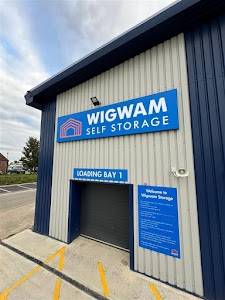
A business gives notice on the office it no longer fills. Desks sit empty three days out of five, but the archive boxes, the site kit and the old equipment never needed a desk in the first place. That’s the shift happening right now, not a sales pitch, an evidenced one. This is about using storage, not running a storage business.
What’s Actually Changing in Small-Business Office Use
Hybrid working has genuinely cut how much office floor space many small businesses need day to day, while commercial rents on the office space that remains are rising, not falling.
The hybrid-work half of the story
More than a quarter, 28%, of working adults in Great Britain hybrid worked between January and March 2025, and the proportion has risen steadily since March 2022. Fewer people in the office every day means less need for a fixed desk-based footprint.
The rent half of the story
Commercial property analysts report prime UK office rents have been rising even as overall blanket demand falls, demand is concentrating into fewer, better buildings rather than disappearing. For a small business, that means the office that used to be an easy, cheap default now costs more for the same square footage, right at the moment less of it is actually needed day to day.
The Honest Picture: Offices Aren’t Disappearing, They’re Getting Smarter
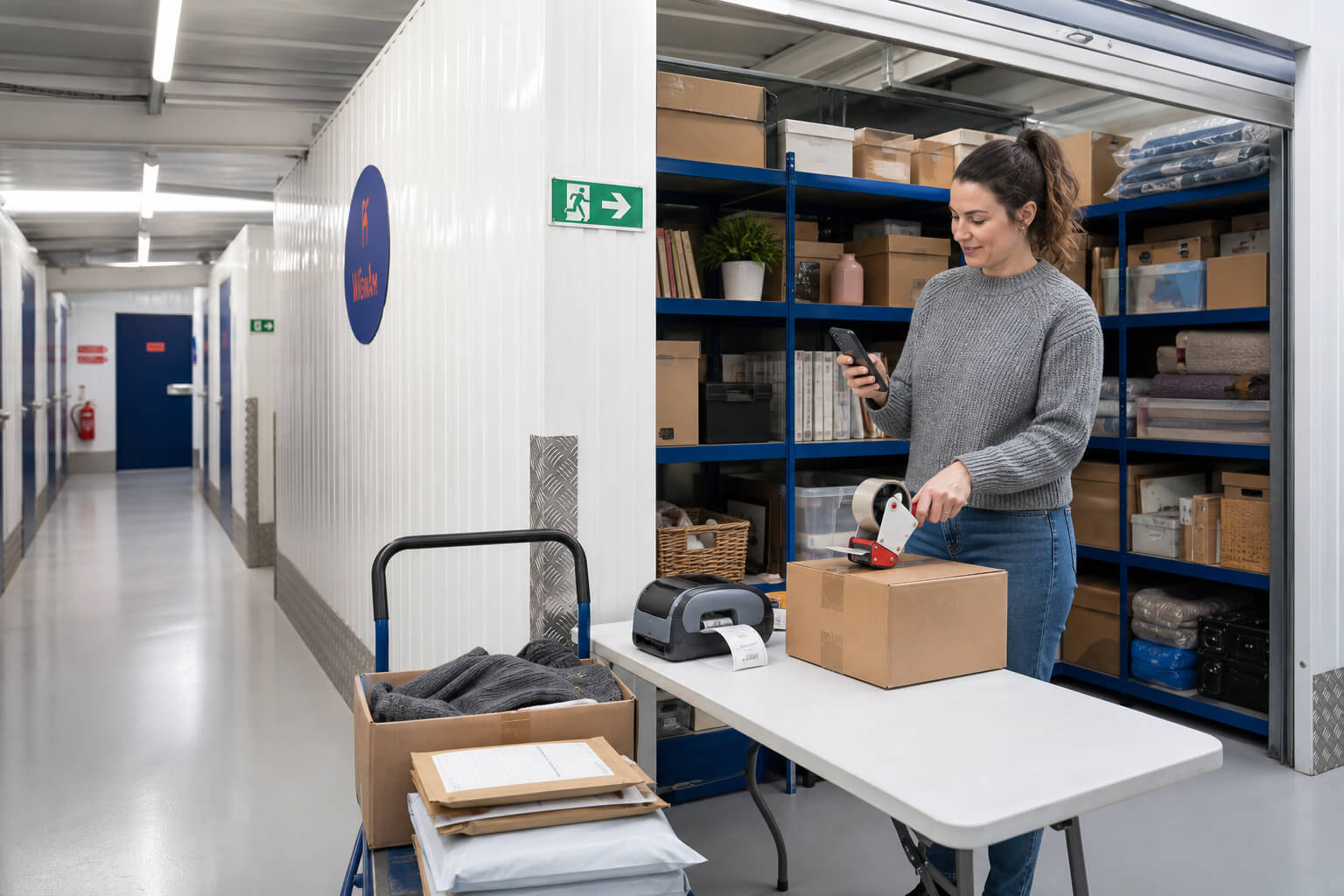
This isn’t “offices are dying.” Prime, better buildings are still in demand. The real pattern is less blanket space, and more flexible space for everything else.
The Right-Sizing Mechanism: What Actually Moves
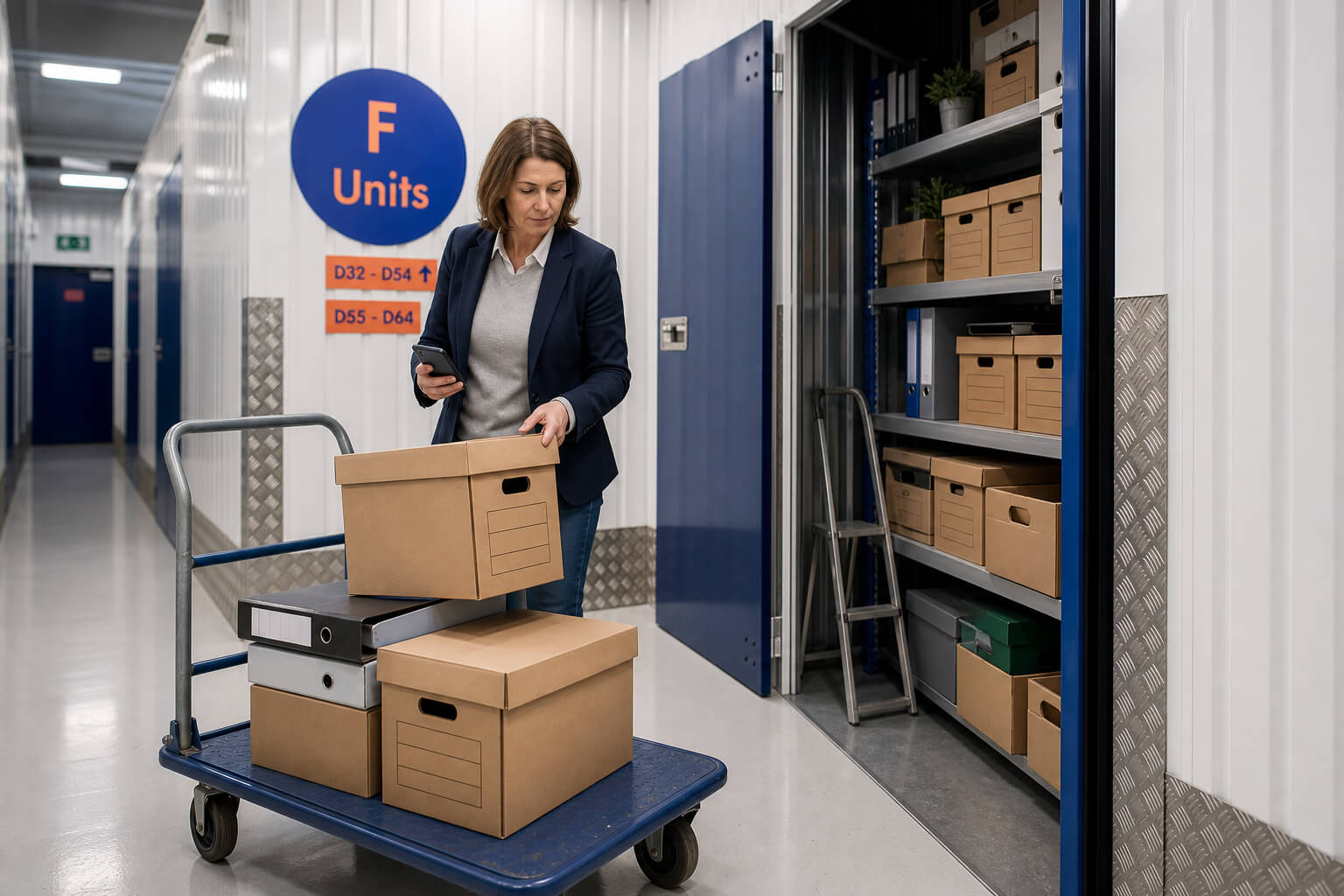
A business doesn’t choose office or nothing. It keeps a smaller desk-based office and moves everything that never needed a desk, archive boxes, stock, site or field kit, old equipment, into flexible storage instead.
What typically moves out of the office
Archived files, seasonal or overflow stock, tools and site kit, and furniture or equipment that’s rarely used but can’t be thrown away. None of it needs to be within arm’s reach of a desk, it needs to be secure and reachable within a working day, which is a different, cheaper requirement than office-grade square footage.
Why This Is Low-Risk to Act On

Right-sizing only works if the flexible space itself carries no lock-in risk.
The term is flexible from 14 days. A deposit applies, and it’s refunded for unused paid days once you’ve given 14 days’ notice, two separate steps, not one blurred promise. Access runs 6am to 10pm, seven days a week, so the archive or kit is reachable outside a normal working day. That matters for a right-sizing decision specifically, a business testing whether a smaller office actually works can scale storage up or down with it, rather than being locked into a fixed footprint either way.
Once the mechanism makes sense for your business, get a price.
Chipping Norton: A Right-Sized Office in Practice

This is what the hybrid-work half of the shift looks like in practice.
A small architectural practice near Chipping Norton used to rent a four-desk office to fit five staff, a plan chest of archived drawings, a site-visit kit bag, and box files of old client records. When the team moved to two office days a week, the desks sat empty three days out of five, but the archive, the kit bag and the old files still needed somewhere secure. The practice gave notice on the bigger office at its next renewal, kept a two-desk space for the days people are actually in, and moved the plan chest, the site kit and the archived files into a unit at Wigwam Self Storage Chipping Norton, five minutes from the smaller office. Entry runs through a security PIN, and access itself runs 6am to 10pm, so a partner can collect drawings before an early site visit. The unit is on a flexible term from 14 days, so if the archive grows or shrinks, the practice isn’t locked into a size that no longer fits. This is an illustrative scenario, not a named real customer.
Bromsgrove: The Same Shift, a Different Kind of Business

This is what the rent-pressure half of the shift looks like for a different kind of business.
A small trade supplies retailer near Bromsgrove used to store a full season’s stock and its market-stall kit in a rented industrial unit alongside its shop, paying for far more square footage than the shop floor or counter staff ever needed. As online orders grew and in-person footfall on quiet weekdays fell, the business gave up the industrial unit and moved seasonal stock and stall kit into a unit at Wigwam Self Storage Bromsgrove instead, paying only for the space the stock itself needs, on a term it can shrink in the off-season. This is an illustrative scenario, not a named real customer. Not near Chipping Norton or Bromsgrove? See the full list of locations for your nearest.
Where This Fits If You’re Not Ready to Decide Yet

You might want the definition, the numbers, the office-versus-storage decision, or the tactics next, not a re-argument of any of them here.
New to business storage? Our guide on cutting office overheads with self storage covers the basics. Want the numbers for your own business? See our guide on whether small business self storage is worth it. Weighing storage against a smaller office outright? Our functional decision guide walks through that fork. Already decided, need a system? Our inventory management guide covers the tactics.
Is This Move Right for Your Business?
The business isn’t smaller, its footprint is just smarter. If the office feels oversized for the days people are actually in it, and the rent keeps climbing, this trend applies to you too.
Frequently Asked Questions
It’s evidenced. Office for National Statistics data shows hybrid working has risen steadily since 2022, and commercial property analysts report prime rents rising even as overall office demand softens, both point the same direction.
No. Most businesses right-size rather than eliminate their office, keeping a smaller desk-based space and moving everything else into flexible storage.
Chipping Norton and Bromsgrove both do, along with the rest of Wigwam’s 15 UK market-town locations. See the full list for your nearest.