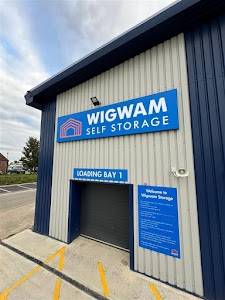
There’s a particular uncertainty that comes with a filing cabinet that’s taken over the corner of an office, or a box of a parent’s old paperwork sitting untouched since the funeral. You’re not sure if it’s a real storage problem or just clutter you haven’t got round to. It’s neither dramatic nor urgent, which is exactly why it never gets dealt with. There are four honest reasons people reach for document storage specifically. This page names them plainly, so you can work out which one, if any, is yours.
In a hurry? Find your situation:
- Storing client files or records with anyone’s personal data? That’s a legal duty question, jump to what “secure” actually means for documents.
- Filing cabinet or archive boxes taking over office space? Jump to when the filing cabinet beats the office.
- Storing deeds, certificates or originals you couldn’t replace? Jump to protecting papers you can’t reprint.
- Clearing an estate, closing an office, or mid-declutter and not ready to decide? Jump to clearing an estate or closing an office.
What Document Storage Actually Is
Document storage is a distinct self-storage product built around paper records, not a smaller version of a general storage unit. It’s designed for boxes and filing that need to stay organised and secure, usually with shelf racking so files can be found rather than stacked and forgotten. It’s also not a managed records-management service: there’s no retrieval-on-request, no indexing, no courier collecting a folder on your behalf. Wigwam sites are unmanned, so you manage your own access to your own unit, as with any self-storage space.
How It Differs From General Self Storage
General self storage is built for volume and flexibility: furniture, stock, equipment, whatever needs to be out of the way. Document storage narrows that to paper specifically, with shelf racking as the practical difference, so files sit upright and labelled rather than loose in a box.
How It Differs From Records Management
A records-management company collects, indexes and retrieves individual files for you, usually at a price that reflects that service. Self storage doesn’t do any of that. You keep the unit key, you decide what goes in and out, and nobody else touches your files. Worth knowing before you compare the two: they solve different problems.
Why “Secure” Means Something Specific for Documents

If the boxes you’re storing include anyone else’s personal details, “secure” isn’t a marketing word. UK GDPR Article 5(1)(f) requires that personal data is processed with “appropriate technical or organisational measures” against unauthorised access, and against accidental loss, destruction or damage. That duty attaches the moment a document holds someone else’s personal information: a client’s name and address, an HR file, a patient or customer record. It governs how securely you keep it, not how long you have to keep it.
What the Law Actually Requires
The wording is worth reading in full, because it’s more specific than most summaries make it sound. UK GDPR Article 5(1)(f), quoted directly from legislation.gov.uk:
“processed in a manner that ensures appropriate security of the personal data, including protection against unauthorised or unlawful processing and against accidental loss, destruction or damage, using appropriate technical or organisational measures (‘integrity and confidentiality’).”
In plain terms: if a document has someone’s personal data on it, you need to be able to point to real, concrete measures protecting it from being accessed by the wrong person or lost through carelessness.
Security Versus Retention: Two Different Questions
This is a security standard, not a retention rule. It doesn’t tell you how many years to keep a set of accounts or a client file. That’s a separate question, governed by HMRC and company-law rules depending on the record type and your business structure, and it deserves its own answer rather than a rushed one here.
This is general information, not legal or compliance advice. For GDPR obligations specific to your business, or for retention rules for regulated professions, take advice from a qualified solicitor or your professional body.
The Four Reasons People Actually Reach for Document Storage
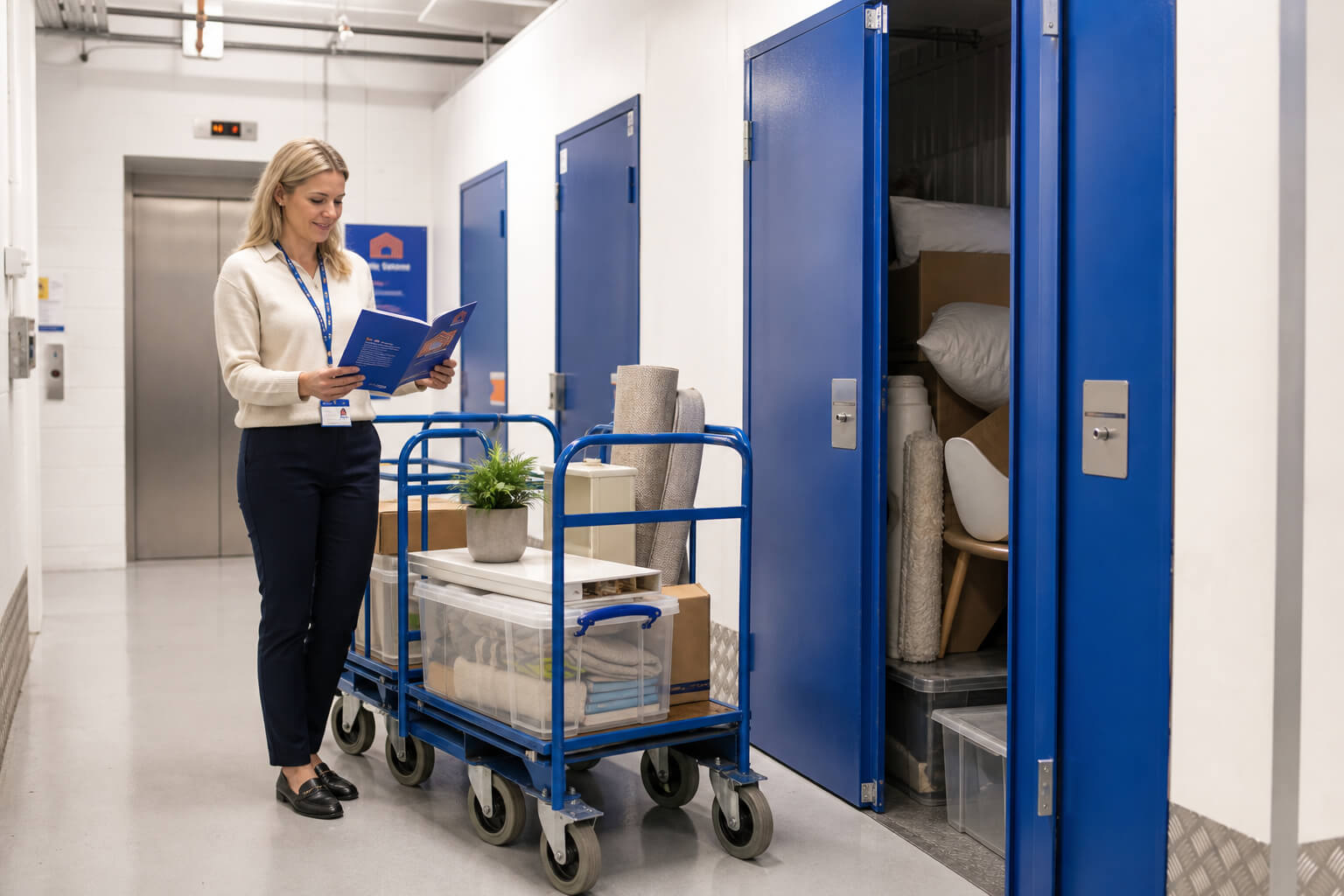
These aren’t five interchangeable warning signs of a messy office. They’re four different reasons, with four different levels of urgency, and knowing which one applies to you tells you what to do next.
| Trigger | Who it’s for | The real risk | What Wigwam offers |
|---|---|---|---|
| 1. Legal or compliance duty | Businesses holding anyone’s personal data | The GDPR security duty above | Individually alarmed units, smart entry |
| 2. Running out of secure space | Home offices, small practices | No dedicated capacity for paper | Shelf racking, sizes from 10 sq ft, rolling terms |
| 3. Disaster or loss-recovery risk | Anyone storing irreplaceable originals | Fire, flood or misplacing at home | Clean, dry, secure, alarmed facility |
| 4. A transitional event | Probate executors, businesses moving or closing | Not ready to shred or keep decisions under pressure | Two-week minimum, deposit refunded per terms with 14-day notice, refund for unused days |
Client Files, HR Records and the GDPR Duty
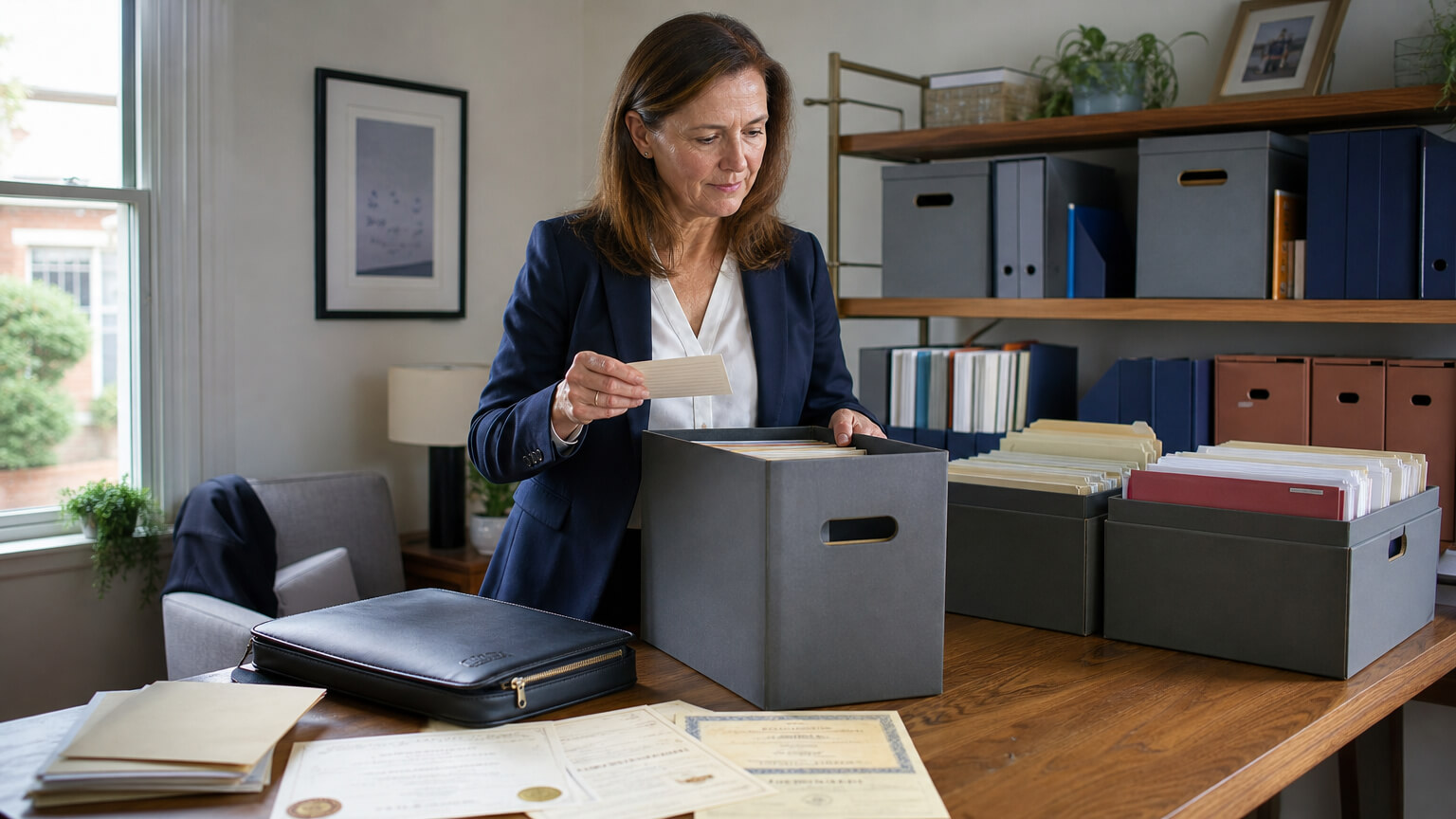
If you’re holding client or staff files with anyone’s personal data, the practical answer to “what counts as appropriate measures” for the physical side of storage is straightforward: individually alarmed units and smart entry, so access is controlled at the unit level rather than left to a shared office key.
What “Appropriate Measures” Looks Like in Practice
A small accountancy practice around Cheltenham with a decade of client working papers that no longer fits the back office is a fair example. Moving those files into an alarmed, individually accessed unit gives the practice something concrete to point to if a client or regulator ever asks how records are kept secure, rather than a vague answer about “keeping things safe.”
When the Filing Cabinet Beats the Office
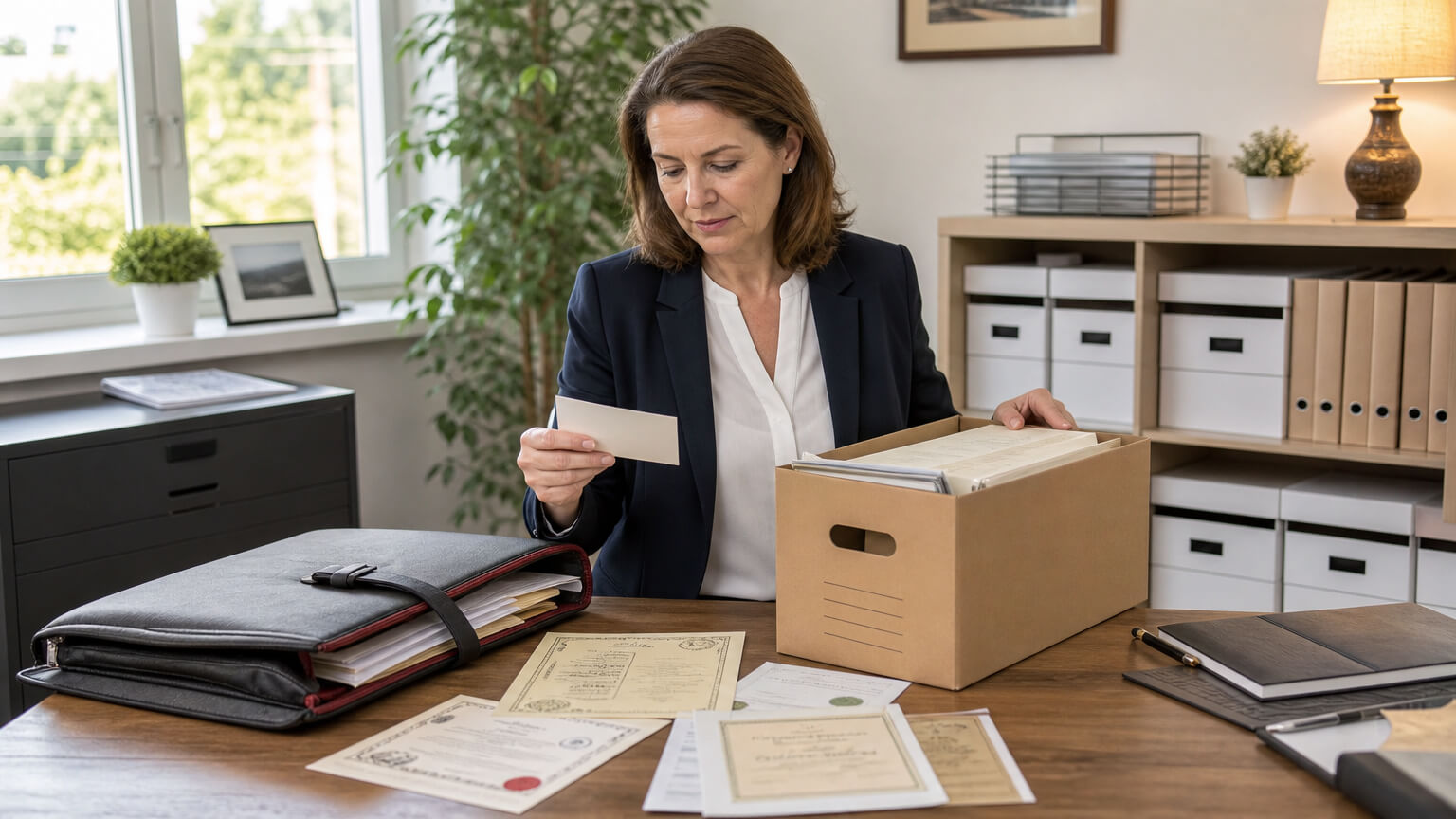
Once paper has outgrown a spare room, a garage, or a single cabinet that keeps needing a second one next to it, a small document storage unit with shelf racking solves the problem without committing to a bigger office lease.
Sizing It Realistically
Wigwam’s document storage units run from around 10 sq ft up to larger archive space, so it’s worth thinking in terms of how many boxes you actually have, rather than guessing. Current sizes and pricing are on the document storage page, the right place to check exact figures, since they can change.
Protecting Papers You Can’t Reprint

Deeds, wills, certificates and signed contracts kept in a loft or garage carry a real risk: fire, flood, or simply misplacing something under pressure, none of which can be undone. A purpose-built, alarmed facility kept clean and dry is a materially lower-risk home for paper you can’t get back.
Clean, Dry and Secure: What That Does and Doesn’t Mean
To be clear: Wigwam units are clean, dry and secure. They are not climate-controlled, and nothing here should be read as a temperature or humidity-control claim. If you’re storing paper at home meanwhile, filing documents upright rather than stacking them flat is generally considered better practice for reducing damp and creasing damage, a point echoed by organising guides such as A Life More Organised, though that’s a general tip, not a Wigwam claim.
See pricing and sizes on the document storage page, or get a quote at quote.wigwamstorage.co.uk. If you’re not ready to commit yet, that’s fine too. Talk to us about document storage first, and we’ll help you work out whether it’s the right fit.
Clearing an Estate or Closing an Office

When a clear-out generates paper nobody’s ready to shred or keep permanently yet, whether that’s a probate estate, an office move, or a business closing down, a two-week minimum term with no long lease buys you time without forcing a decision today.
Patrick, executor for his mother’s estate near Wigwam Self Storage Bath, is a fair illustration of how this plays out, though an illustrative scenario rather than a real client story. He’s boxed up deeds, certificates and old correspondence he isn’t ready to sort through yet, in the middle of everything else the estate needs. Putting it into a unit for a few weeks keeps it dry, secure and out of the way, without forcing a permanent keep-or-shred decision this week.
What “Two-Week Minimum” Actually Means
Three separate things, not one blurred promise: the minimum term is two weeks, so there’s no long lease to sign. When you’re ready to leave, a 14-day notice period applies before the unit is vacated. And any days you’ve paid for but haven’t used are refunded once the account is closed. Each of those is its own step, and the document storage page carries the current terms in full, so it’s worth checking there rather than relying on a summary.
Which Wigwam Page Answers Your Situation
Need the exact number of years to keep a record type? That’s a retention question, not a security one, and deserves its own proper answer rather than a guess here. Meanwhile, the document storage page has current sizes and terms.
Running a regulated practice, solicitor, accountant, GP or dentist, with retention rules specific to your profession? Self Storage for Business Documents: Is It Right for Your Practice? covers that ground properly.
Ready to see sizes and get a price? The document storage page has both. Get a price at quote.wigwamstorage.co.uk, or talk to us about document storage first if you’d rather talk it through.
Frequently Asked Questions
Storing client files in an alarmed, individually accessed unit can be part of an appropriate-measures approach to the physical security of the data. It isn’t a substitute for your business’s own data-protection policy, which should cover who can access files, how they’re logged, and how they’re disposed of. This is general information, not legal advice. Check what your specific obligations require with a solicitor or your professional body.
You can store originals. Whether you should keep the original in storage or have certified copies made first depends on what the document is and what it might be needed for, which isn’t something to guess at. If it’s an irreplaceable legal original, it’s worth a quick conversation with a solicitor before deciding.
It depends on how much you’re storing, but Wigwam’s document storage units start from around 10 sq ft for a small archive up to larger sizes for bigger volumes of filing. Current sizes are confirmed on the document storage page, since exact figures can change.
Records management is a managed service: someone else indexes your files and retrieves them for you on request. Self storage isn’t that. Wigwam sites are unmanned, so you manage your own access to your own unit, the same as with any self-storage space. If you need retrieval-on-request or certified destruction, a specialist records-management provider is the right fit, not self storage.