Stand in front of your wardrobe rail and you probably can’t see half of what’s on it. Not because you own too much. Because half of it is doing nothing at all, six months of the year, while the half you need right now gets crushed against it. Every peg holding two coats keeps neither of them looking its best. That’s not a storage problem. It’s a rotation problem, and it’s usually packing and placement, not the building it sits in, that decides whether your clothes come back out looking good or ruined.
In a hurry? Start here.
- Nowhere at home to put the off-season half (no loft, no garage)? Jump to “Is a small unit actually enough.”
- Worried storage will ruin good clothes? Jump to “Will my clothes actually be safe.”
- Just want to know what it costs and how it works? Jump to “What this actually costs.”
Why your wardrobe feels permanently full, even after a declutter
Half your rail is asleep for months at a time. Winter coats hang there through July doing nothing except taking up space and getting crushed against the clothes you’re wearing right now. That’s not a volume problem you can declutter your way out of. It’s a rotation problem: the off-season half needs somewhere else to be for a while, so the in-season half has room to hang properly. Once you see it that way, the fix stops being “get rid of things” and starts being “take the sleeping half out.”
This is true whether you’ve already had a big clear-out or not. Plenty of people who’ve done the Marie Kondo pass, kept only what they love, still end up with a rail that won’t shut, because “keep it” and “keep it in your bedroom right now” are two different decisions. Good coats and good knitwear deserve to be kept. They don’t need to be crushed against your summer clothes for nine months to prove it.
Is a small self-storage unit actually enough for a seasonal swap?

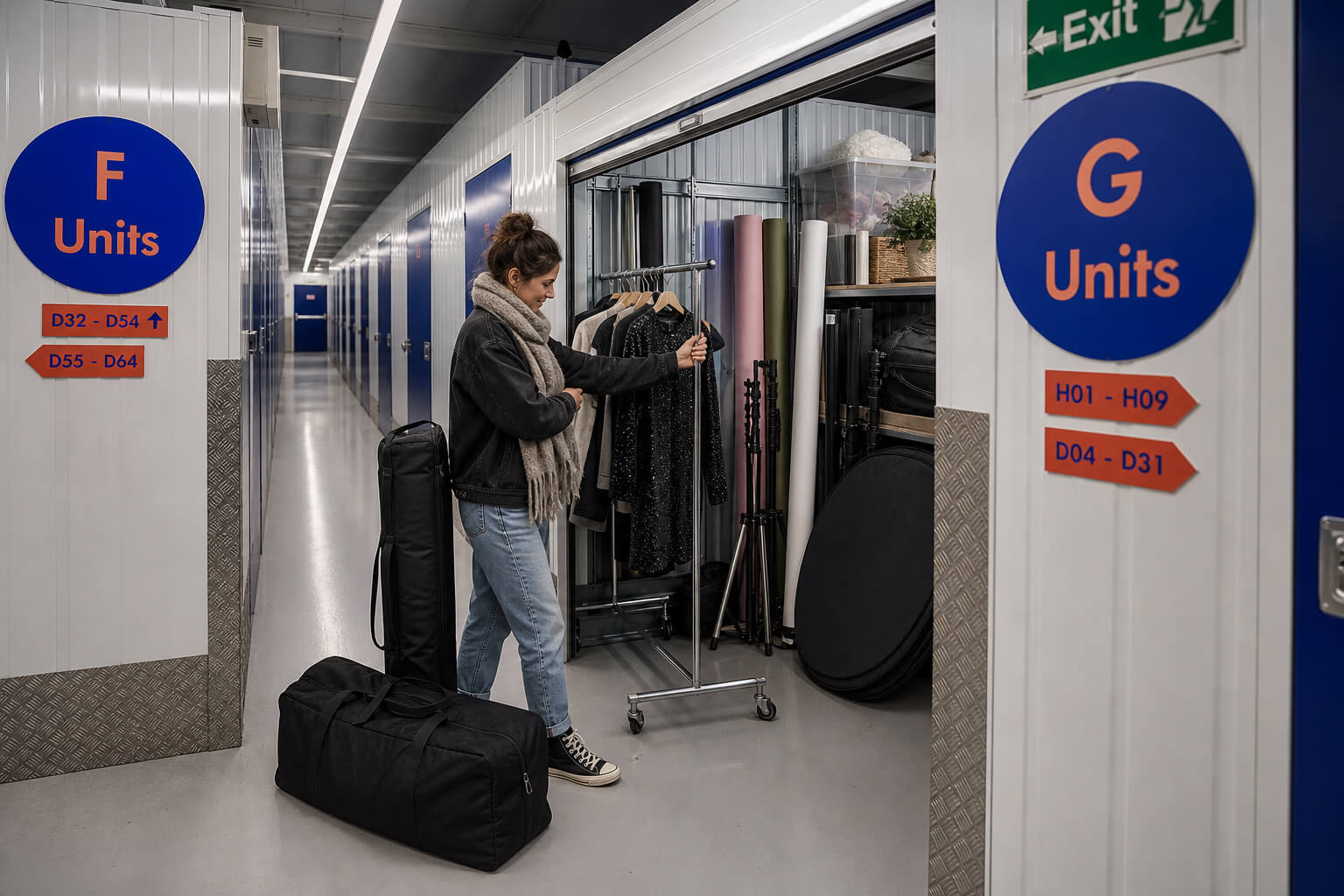
Yes, for most households doing a genuine seasonal swap-over. A small unit is built for exactly this: winter coats, folded knitwear, boots and a couple of duvets coming out of a two-person wardrobe for the summer, going back in when the weather turns. We won’t invent an exact size here, because the right unit depends on how much you’re actually moving out, but this is squarely what our smallest, lowest-cost units are for.
What actually fits in a small unit
Think in terms of kit, not square footage. A typical two-person seasonal swap looks something like four to six medium plastic bins for folded knitwear and jumpers, a couple of wardrobe boxes for coats and anything that needs to hang, and one or two vacuum bags for bulky items like duvets. Stacked properly, that’s a compact footprint, even though it feels like a mountain of bags in your bedroom right now.
If you’re not sure it’ll fit
Don’t guess, and don’t let us guess either. The honest answer is to talk it through with your local branch or get a quote, and let them size it against what’s coming out of your wardrobe. Find your nearest Wigwam location and ask.
Will my clothes actually be safe in storage?
Yes, provided they’re packed properly, because packing and placement do far more damage or protection than the building itself. That’s not a Wigwam opinion. It’s the guidance from Museums Galleries Scotland, the Scottish museums’ own collections-care advisory body, on how textiles actually degrade in storage.
What actually damages stored clothes
Their advice is specific: avoid “dry or hot attic rooms and humid basements,” and avoid overcrowding boxes and hanging cupboards so air can still move around the fabric. That names, almost exactly, the two failure modes of “free” home storage. A loft bakes in summer and turns damp-cold in winter. A garage or cellar sits permanently damp. An ordinary indoor unit, by design, sits outside both extremes.
Why we don’t need to sell you climate control for this
We’ll be straight with you: we can’t claim to hit a museum-standard humidity band mechanically, and we don’t try. What a clean, dry, secure unit does is keep your clothes out of the worst swings, the mould-risk damp and the bone-dry heat, that ruin fabric at home. The fine-tuning after that comes from how you pack, not which building holds the box. If you want the fuller debate on whether climate control is worth paying for at all, we’ve laid that out honestly here. Short version for this job: you don’t need it.
What to actually pack them in

Use bins and wardrobe boxes for anything you’ll wear again next season or anything of real value. Save vacuum bags for bulky, everyday items you won’t need to check on, not for your good knitwear or anything that needs to keep its shape.
Bins and wardrobe boxes, for anything you’ll wear again
A breathable wardrobe box with a hanging rail keeps coats, dresses and suits from creasing, and lets air move around them the way the conservation guidance recommends. Plastic bins do the same job for folded knitwear and jumpers: stackable, breathable, not overpacked. Our own wardrobe box is built with exactly this in mind.
Vacuum bags: where they’re fine, and where they’re not
Vacuum bags are genuinely useful for bulky, disposable-adjacent items, duvets, everyday padded coats, where you’re just fighting for floor space and don’t much mind if they come out a little flat. They’re not the right call for anything valued or worn again soon: good wool, silk, formalwear. Compress those long-term and you risk exactly the crushing and creasing you were trying to avoid.
| Container type | Best for | Why |
|---|---|---|
| Wardrobe box | Coats, dresses, suits, anything that needs to hang | Prevents creasing, keeps its shape, breathable |
| Plastic bins | Folded knitwear, jumpers | Breathable, stackable, keeps damp and pests out |
| Vacuum bags | Duvets, everyday padded coats only | Saves space on bulky, non-precious items |
If you’re ready to see what a small unit near you costs, get a quote while you’ve got the list of what’s coming out of the wardrobe fresh in your mind.
Do moths and damp actually get into storage units?

Not if the unit is clean, dry and secure and the clothes are packed the way we’ve just covered. This is usually the real worry behind the practical questions: will my things actually come back out fine, or is “storage” just a nicer word for the loft. A clean, dry unit plus proper packing, breathable containers, nothing overcrowded, nothing damp going in, addresses the real risk directly. We won’t promise more than that’s true, but that combination is what keeps clothes safe.
If you’ve searched this worry online, you’ve probably found a dozen people asking the same question in slightly different words: will it actually be fine, or is this just a more expensive way to ruin my clothes. It’s a fair thing to want reassurance on, and the honest answer is that a unit built for household goods, not a damp lock-up or an unheated barn, combined with clothes that have been washed and packed properly before they go in, removes almost all of the risk that’s actually driving the worry.
What this actually costs, and how the swap-over works
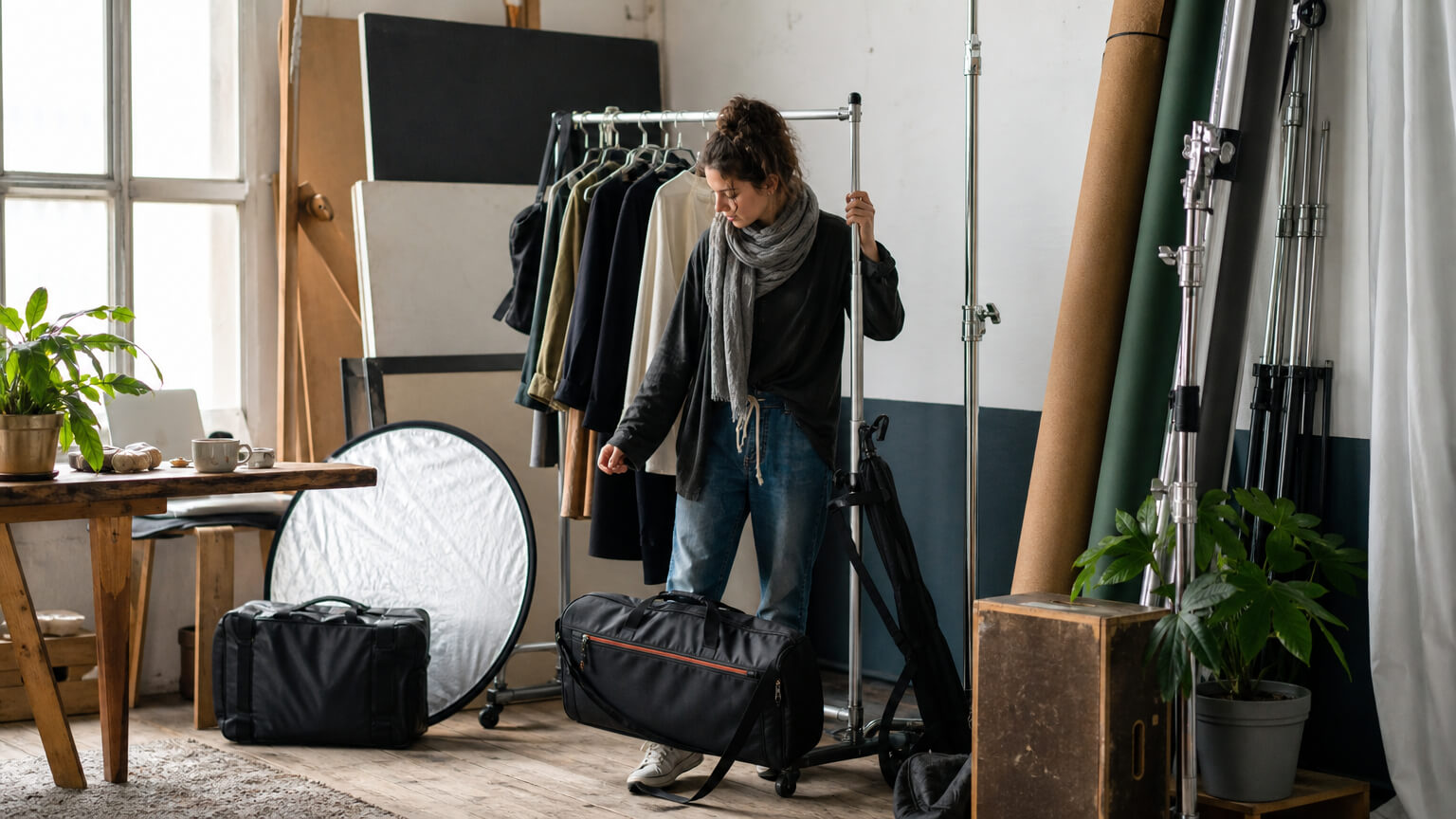
A small unit for a seasonal swap typically runs a modest weekly rate, and the exact figure depends on size and your nearest branch, so we’d rather point you to the live pricing page than quote a number that might have moved by the time you read this. The mechanics themselves are simple and worth knowing before you book.
Access and how you move things in and out
Sites use smart entry, so you let yourself in, no keys to collect from a manned desk. Access runs from 6am to 10pm, seven days a week. Most sites are unmanned day to day, which is exactly what makes dropping off a box of winter coats on a Tuesday evening as easy as it sounds.
Payment, notice and what you get back
Here’s exactly how the money side works, in three separate steps, because it’s worth being precise rather than vague. First, you pay four weeks upfront to start your storage, with no deposit on top. Second, when you’re ready to leave, you give 14 days’ notice. Third, any unused days within that notice period are refunded to you once you’ve cleared out. It’s straightforward, but it is three steps, not one, so it’s worth knowing all three before you book. Prices are correct as of the date this was written; confirm the current band at quote.wigwamstorage.co.uk.
Is this worth it for more than just clothes?

The same rotation logic applies well beyond the wardrobe. Plenty of households use the same small-unit approach to clear a spare room to make way for a baby, or to store baby gear between children rather than keeping cots and highchairs under the stairs year-round. If seasonal clothes are just the first thing you’re moving out, that same thinking scales.
Getting your wardrobe back
Once the sleeping half of your rail is out, the half you wear all season finally has room to hang properly, and to breathe, in every sense. That’s the whole point. Not buying more storage. Taking the half that’s doing nothing for six months somewhere it can sit safely until you need it again.
One honest boundary before you go: this is general packing guidance, not conservation advice. If you’ve got something genuinely irreplaceable, a wedding dress, a family heirloom, talk to a professional cleaner or textile conservator first. We can keep your things clean, dry and secure. We can’t promise the same specialist care a conservator gives a garment that can’t be replaced.
Ready to see what a small unit near you would cost for your own seasonal swap? Get a quote, or find your nearest Wigwam if you’d rather start with location.
Frequently Asked Questions
As long as you need to. There’s no upper limit on a seasonal swap, whether that’s a few months over summer or an ongoing year-round rotation. What matters more than the length of time is how the clothes are packed: breathable containers and clean, dry conditions keep them safe whether they’re in storage for three months or three years.
Not for everything. Vacuum bags work well for bulky, everyday items like duvets and padded coats you won’t need to check on. For anything you’ll wear again soon, or anything of real value like good knitwear or formalwear, a breathable wardrobe box or bin protects the fabric better than long-term compression does.
Plain cardboard isn’t ideal for anything long-term. It can pick up damp and doesn’t offer much structure once stacked. A proper wardrobe box or a sturdy plastic bin does a better job of keeping clothes flat, breathable and protected than a repurposed cardboard box.
It depends on how much you’re moving out, not a fixed figure we can give you here. A typical two-person seasonal swap, a handful of bins plus a couple of wardrobe boxes, fits comfortably into one of our smallest units. Talk to your local branch or get a quote and they’ll size it against your own wardrobe.
A clean, dry, secure unit, combined with clothes packed properly before they go in, significantly reduces the risk. Wash items before storing them, since moths are drawn to natural fibres with food or sweat residue on them, and use breathable containers rather than leaving clothes loose or in torn bags.
Wigwam Self Storage operates 15 locations across UK market towns. If your wardrobe needs the sleeping half taken out for a season, find your nearest location or get a quote in a few minutes.